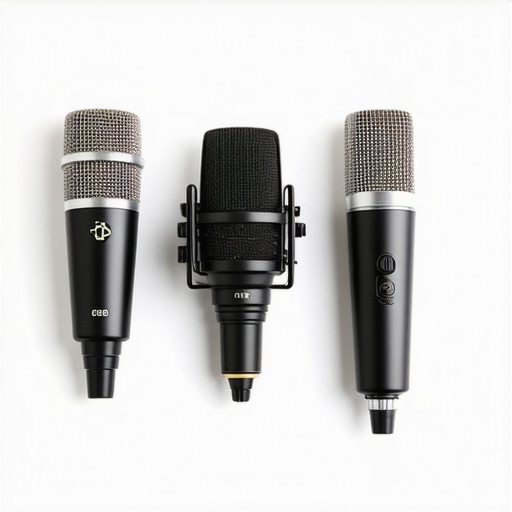
Top Microphone Choices for Creators: USB, Shotgun & XLR in 2025

I remember the moment vividly. I was sitting in my makeshift home studio, trying to record a podcast episode. I had a decent microphone, but my voice sounded flat, distant, and just plain off. Frustrated, I realized I had no clue which microphone type suited my needs best. The endless options—USB, shotgun, XLR—left me more confused than ever. Sound quality is everything, yet choosing the right mic felt like navigating a maze with no map. If you’ve ever faced this dilemma, you’re not alone. I’ve been there, and I want to help you cut through the noise.
Why Picking the Right Microphone Matters More Than Ever
In 2025, content creation is more competitive than ever. Whether you’re streaming, podcasting, or producing videos, your voice is your most powerful tool. But bad audio can kill your credibility faster than poor lighting or shaky footage. Luckily, the right microphone can elevate your sound, make you stand out, and even grow your audience. The tricky part? Knowing which one fits your setup and goals.
Over the years, I’ve learned that investing in the correct microphone isn’t just about fancy tech; it’s about understanding what your voice needs and what environment you’re working in. For example, a shotgun mic might be perfect for outdoor shoots, but a USB mic could be ideal for solo streaming at home. If you’re feeling overwhelmed by the options, don’t worry. I’ll walk you through what you need to know to make an informed choice.
Before diving into the specifics, I want to share a mistake I made early on—buying a high-end XLR mic without realizing I lacked the audio interface to connect it. That misstep taught me an important lesson: choosing equipment without considering your entire setup can be a waste of money. To avoid that, I recommend checking out this ultimate guide to voice recording equipment. It’s packed with practical tips to help you make smarter decisions.
Is a Fancy Microphone Actually Worth the Hype?
Many creators get caught up in the hype, thinking they need the most expensive gear to sound professional. But I’ve found that understanding your needs and environment often trumps price tags. A mid-range USB mic can produce stunning results for beginners, while a shotgun mic might be overkill unless you’re filming outdoors or in noisy settings. The key is matching your mic to your content style and budget.
If you’re still skeptical, that’s totally normal. I was too. The good news? With the right info, you can avoid costly mistakes and find a microphone that truly boosts your voice. Whether you’re just starting out or upgrading your setup, this guide will help you navigate the top choices for 2025 and beyond. Ready to find your perfect microphone? Let’s get started!
Identify Your Environment and Content Goals
Before rushing into a purchase, analyze where you’ll record most often. If you’re streaming at home with minimal noise, a USB mic like the best USB shotgun mic might be perfect for clarity and ease of use. For outdoor shoots or noisy settings, a shotgun or XLR mic could be more effective. Clarify your content style—podcasts, live streams, or video recordings—because each requires different microphone characteristics. This step prevents costly missteps and ensures your gear matches your workflow.
Match Microphone Types to Your Needs
Step 1: Focus on USB Microphones
USB mics are plug-and-play, ideal for beginners or creators who want quick setup without extra gear. They excel in indoor environments where convenience matters. For example, I once started a live podcast with a top USB shotgun mic, which dramatically improved my sound quality without complex wiring. Research top models in this category through guides like the ultimate guide to voice recording setup.
Step 2: Consider Shotgun Microphones
Shotgun mics are highly directional, making them great for outdoor filming or situations with ambient noise. They focus on sound directly in front of them, reducing background noise. When I shot a documentary outdoors, switching to a top shotgun mic allowed me to capture clear voices despite wind and environmental noise. For detailed comparisons and recommendations, explore the best shotgun microphones for creators.
Step 3: Invest in XLR Microphones
XLR mics offer high audio fidelity, ideal for professional podcasts or studio recordings. They require an audio interface, which might seem complex but pays off with superior sound quality. I upgraded to an XLR microphone after understanding the benefits from the ultimate guide to setup. When choosing, consider the best XLR options for voice recording.
Test and Refine Your Setup
Once you’ve selected your microphone, test it in your typical environment. Record samples at different distances and angles to see what sounds best. Adjust placement to minimize room echo or background noise. For instance, I once recorded my voice in a small, untreated room and noticed echo. Moving the mic closer and adding soft materials improved clarity significantly. Use tools like the top voice recording microphones guide to refine your setup further.
Leverage Expert Resources and Community Tips
Don’t hesitate to dive into community forums or detailed reviews. The ultimate guide offers comprehensive insights, and user feedback can reveal real-world performance. Experiment with different settings and placements until you achieve the desired sound. This iterative process is key to mastering your audio quality.
Many creators fall into the trap of oversimplifying microphone selection, believing that the most expensive gear automatically guarantees professional sound. While high-end microphones can deliver excellent quality, the real challenge lies in understanding the nuanced factors that influence audio clarity. For instance, a common myth is that XLR microphones always outperform USB options. In reality, advances in USB microphone technology have narrowed this gap significantly, especially for indoor use where convenience and quick setup matter most. To make informed decisions, it’s crucial to consider your environment, goals, and budget rather than just chasing high price tags. For in-depth comparisons and expert insights, check out the ultimate guide to voice recording.
Another hidden nuance is how microphone placement impacts sound quality. Many beginners think that just having a good mic is enough, but small adjustments in positioning can drastically improve clarity and reduce background noise. For example, positioning your mic slightly off-axis or closer to your mouth can help eliminate room echoes and ambient sounds. This detail often gets overlooked, yet it’s one of the most cost-effective ways to enhance your audio without additional gear. If you want to master mic placement, explore the setup guide for comprehensive tips.
Is It Better to Mix Multiple Microphone Types or Stick to One?
Many seasoned creators swear by blending different mic types—such as using a shotgun mic outdoors and a USB mic indoors—to optimize sound quality across various scenarios. However, this approach can backfire if not managed carefully. Mismatched audio signals may lead to inconsistent sound, requiring complex editing to balance levels. In my experience, it’s better to master one high-quality setup tailored to your primary environment before expanding your gear. This focused approach minimizes technical issues and ensures consistency. For expert recommendations on combining gear, review the top picks for multi-mic setups.
Beware of the trap of believing that upgrading to the latest microphone model will automatically improve your sound. Sometimes, older, well-understood mics perform just as well if paired with proper placement and environment adjustments. The key is not just the gear but how you use it. Adjustments like acoustic treatment, mic positioning, and preamp quality often have a bigger impact than the mic itself. As audio engineer Dave Moulton states, “The biggest difference in sound quality comes from how you treat your environment and how carefully you position your microphone.” So, focus on mastering your current gear before rushing into upgrades.
Have you ever fallen into this trap? Let me know in the comments. Remember, understanding these hidden nuances will elevate your audio from average to professional, making your content stand out in 2025 and beyond.
Keeping your microphone setup in optimal condition over time is crucial for maintaining professional sound quality and avoiding costly repairs or replacements. In this section, I’ll share the specific tools I rely on and methods I follow to ensure my equipment remains in top shape, extending its lifespan and preserving sound clarity.
Use the Right Cleaning Supplies Regularly
First, I swear by a gentle microfiber cloth and a can of compressed air. The microfiber cloth is perfect for wiping dust and fingerprints from the microphone grille without scratching, while compressed air efficiently removes dust from hard-to-reach areas, preventing buildup that can affect sound quality. Avoid harsh solvents or abrasive materials, as they can damage sensitive components.
Invest in a Proper Microphone Stand and Pop Filter
Sturdy stands and quality pop filters are more than accessories—they protect your mic from physical shocks and minimize plosive sounds that can damage the capsule over time. I personally prefer a shock mount, like the ones recommended in the ultimate guide to voice recording, because it absorbs vibrations caused by handling or environmental noise, ensuring cleaner recordings and less wear on internal parts.
Monitor and Replace Cables Periodically
One of the most overlooked maintenance routines involves cables. I check my XLR or USB cables regularly for signs of wear—frayed insulation, loose connectors, or intermittent signals. Damaged cables can compromise sound quality and even damage your interface or microphone if left unchecked. When I notice any issues, I replace them immediately with high-quality, shielded cables like Mogami or Canare, which I trust for durability and signal integrity.
Update Firmware and Software
Many modern microphones and interfaces come with firmware that can be updated to improve performance or fix bugs. I subscribe to manufacturer newsletters and routinely check their support pages, such as the ultimate guide, to ensure I have the latest firmware installed. Additionally, using reliable digital audio workstation (DAW) software like Adobe Audition or Reaper helps me monitor and optimize audio output consistently.
Long-Term Trend: Smart Maintenance and Predictive Care
Looking ahead, I believe the future of microphone upkeep lies in smart, predictive maintenance. Technologies like IoT sensors embedded in high-end mics could alert us to impending issues—such as capsule degradation or mechanical wear—before they become critical. As these innovations become more affordable, creators will be able to maintain their gear proactively, saving time and money.
To get started today, I recommend setting a routine checkup schedule—monthly or quarterly—to clean, inspect, and test your equipment. Incorporate simple tools like compressed air and high-quality replacement cables into your workflow. This proactive approach ensures your audio remains consistent, professional, and ready for any recording session. Want to see how I implement these tips? Try inspecting your cables and cleaning your mic grille this week, and notice how your sound quality improves!
The Hardest Lesson I Learned About Microphone Choices
One of my biggest lightbulb moments was realizing that not all microphones are created equal, and that choosing the wrong type can set you back months of frustration. I once bought a fancy XLR mic without realizing I lacked the necessary audio interface, which led to a costly mistake. Now I know that understanding your entire setup is crucial before investing in gear.
3 Myths About Microphone Quality That Held Me Back
Many creators believe that only the most expensive microphones can deliver professional sound. I used to think a shotgun mic outdoors was overkill for my simple setup, but in reality, matching the mic to your environment makes all the difference. The key is to focus on your needs rather than chasing high price tags or hype.
What Experts Won’t Tell You About Microphone Placement
Microphone positioning can make or break your audio quality. Small tweaks—like moving your mic closer or off-axis—can drastically reduce background noise and room echo. I’ve learned that mastering mic placement is one of the most cost-effective ways to improve sound without new gear.
My Essential Toolkit for Voice Recording
To keep my microphone in top shape, I rely on a microfiber cloth and compressed air for cleaning, sturdy stands with pop filters for protection, and high-quality cables from brands like Mogami. I also stay current with firmware updates via manufacturer support pages, which helps maintain optimal performance. These tools and habits ensure my audio stays professional and reliable over time.
The Power of Consistent Care and Smart Upgrades
Long-term microphone health depends on routine maintenance—regular cleaning, cable checks, and timely firmware updates. I believe that proactive, smart care will become even more advanced with future IoT sensors that alert creators to issues early. For now, setting a regular checkup schedule ensures your voice remains clear and your content professional.
Benefits of Tailoring Your Microphone Strategy
When you understand how to choose and care for your mic, your content naturally improves. You’ll find that your voice stands out, and your audience notices the difference. Remember, gear alone isn’t enough—mastering placement, environment, and maintenance makes your microphone truly shine.
Curiosity Sparks Growth
Have you ever struggled with mic placement or maintenance? What’s the biggest lesson you’ve learned about your audio setup? Share your experiences below—your insights might help others elevate their sound too!
3 responses to “Top Microphone Choices for Creators: USB, Shotgun & XLR in 2025”
Reading this post really resonated with my own journey into content creation. I remember starting out with a basic USB microphone, thinking it would suffice, but then realizing that poor placement and environment can diminish even the best gear. What I learned is how crucial mic positioning is—small adjustments like angling the mic or changing its distance from your mouth can make a dramatic difference. I also found that acoustic treatment isn’t just for professional studios; even simple foam panels and soft furnishings can significantly cut down echo and background noise. One challenge I faced was managing my gear setup in a limited space, but experimenting with placement and environment tweaks helped me achieve clearer audio. For creators just starting, I’d suggest focusing on mic placement and room acoustics before splurging on expensive gear. Have others found specific tricks or tools that helped them optimize their environments for better sound quality? I’d love to hear different approaches.”,
This post really hits home for me, especially the emphasis on matching your microphone type to your environment and content goals. I started with a USB mic for convenience, but when I decided to take outdoor vlogging more seriously, I realized a shotgun mic was much more effective in capturing clean audio while reducing background noise. I think many new creators overlook how crucial mic placement is—small adjustments like positioning the mic closer or at an off-axis angle can significantly improve sound quality without purchasing new gear. Have others experimented with different placements and noticed a dramatic difference in clarity? For me, a simple boom arm and a pop filter made a big difference in keeping my setup professional-looking and functional. Also, I find educating myself via community forums and detailed guides really helps refine my approach. How do others choose the best placement for their specific recording conditions? Sharing these tips could help more creators avoid some common pitfalls.
This article really resonates with my experience, especially as someone who recently switched from a basic USB mic to a professional XLR setup. I was initially overwhelmed by the options, but focusing on understanding my environment and recording needs made all the difference. I learned that proper mic placement—like positioning just off-axis and close enough without causing distortion—can dramatically improve audio clarity. I also started experimenting with acoustic treatment in my small home studio, which has made a noticeable impact on reducing echo. One challenge I faced was balancing the technical aspects of gear with practical setups, but gradually, I found what works best through lots of testing. I’d be curious to hear if others have found accessible DIY solutions, like using everyday household items, to optimize their recordings without breaking the bank. What are some simple, affordable tips others have used to enhance mic placement or treat their space effectively? Would love to hear more shared experiences and suggestions!


About Me

Chesung Subba
Author/Writer
Hello, I'm Chesung Subba, a passionate writer who loves sharing ideas, stories, and experiences to inspire, inform, and connect with readers through meaningful content.
Follow Me
Connect with me and be part of my social media community.
Leave a Reply