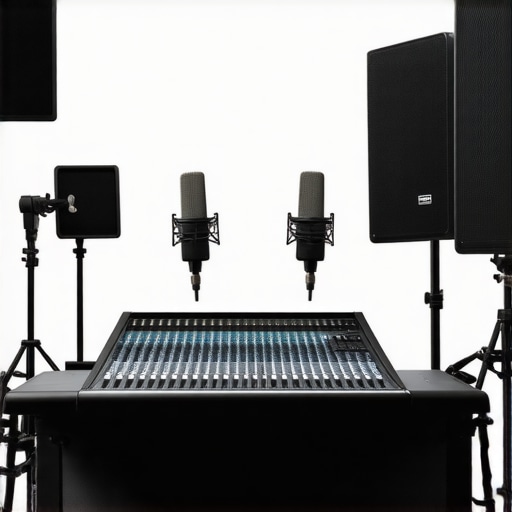
Ultimate Guide to Voice Recording with Top USB, XLR & Shotgun Microphones 2025

Ever sat down in front of your microphone, ready to record, only to realize your voice sounds flat, muffled, or just plain awkward? I remember the frustration—spending hours tinkering with settings and still ending up with mediocre audio. That lightbulb moment hit me hard: the quality of your microphone can make or break your content, and choosing the right one isn’t as simple as grabbing the latest gadget off the shelf. If you’ve faced this same struggle, you’re not alone. Luckily, I’ve cracked the code, and in this guide, I’ll walk you through everything you need to know about selecting the best microphones for voice recording in 2025, whether you’re a creator, podcaster, or streamer.
Why Your Microphone Choice Matters More Than Ever
When I first started, I thought any microphone would do. Turns out, I was wrong. The difference between a decent mic and a professional-grade one is night and day. According to a recent study by Sound on Sound, poor microphone quality can reduce speech intelligibility by up to 50%. That’s a huge hit to your audience engagement. In 2025, with so many content creators competing for attention, having crisp, clear audio can set you apart. But how do you find the right microphone without drowning in options? That’s what we’re here to figure out.
Is the hype around new microphones actually worth the hype?
I used to believe all fancy microphones were just overhyped gadgets. My early mistake was buying a popular USB mic based on reviews alone, only to find my voice still lacked depth. Over time, I learned that understanding your specific needs and environment makes all the difference. The right mic isn’t necessarily the most expensive one, but the one that fits your voice and setup best. Curious about what top picks are in 2025? Check out the best shotgun microphones for voice recording this year, which are a game-changer for many creators.
Now that I’ve laid the groundwork, let’s dive into how you can choose the perfect microphone for your voice. Whether you’re leaning towards USB simplicity, XLR professional quality, or shotgun mics for outdoor shoots, I’ll guide you through the options that will elevate your sound in 2025.
Match Your Microphone to Your Environment
Before diving into technical details, assess where you’ll be recording most often. Do you work in a quiet home studio or outdoors? For indoor setups, a USB microphone like the Rode NT-USB Mini offers simplicity and decent quality. When recording in noisy environments or needing professional sound, switch to an XLR setup with a dynamic mic like the Shure SM7B. Knowing your space helps narrow down the right type and model, saving you from costly mistakes.
Test Your Microphone and Environment
Set up your microphone and perform a quick test recording. Use your typical voice and move around the space to identify any echo or background noise. Adjust your position and room acoustics accordingly. For example, I once recorded with a shotgun mic outdoors and realized that proximity to the mic made my voice clear despite ambient noise. This step is essential, as it reveals how your chosen mic performs in real conditions.
Learn Proper Microphone Placement
Positioning is everything. Think of your microphone as a camera lens — the closer, the clearer. For most voice recordings, place the mic about 6-12 inches from your mouth, slightly off-axis to reduce plosive sounds. If you’re using a shotgun mic, aim directly at your mouth from a few feet away for top clarity. I remember the first time I tried a shotgun mic; I had to experiment with angles and distances, but once I found the sweet spot, my voice became remarkably crisp. Remember, small tweaks here make a big difference.
Adjust Gain and Input Levels
Set your microphone gain carefully. Too high, and you’ll get distortion; too low, and your voice sounds dull. Use your recording software’s level meters to find the sweet spot—typically around 75-85% of maximum without clipping. I once recorded a podcast where I forgot to reduce gain, resulting in a distorted mess. Learning to monitor levels constantly ensures your audio remains clean and professional.
Apply Basic Acoustic Treatments
Even the best mic needs a good environment. Use foam panels, blankets, or even bookshelves to absorb echo and reduce background noise. During a home studio upgrade, I added a few foam panels, which immediately improved my recordings’ clarity. For outdoor shoots with a shotgun mic, consider windshields and pop filters to eliminate wind noise and plosive sounds—these are small investments with significant payoff.
Use Monitoring Tools Effectively
Always listen to your recordings through headphones in real-time. This allows you to catch issues like background noise or microphone bumps immediately. I learned this the hard way when I recorded a long session and only noticed background rustling afterward. Monitoring helps you correct issues on the fly, saving time and effort in post-production.
Refine Your Technique with Practice
Consistency is key. Record short clips regularly, experiment with different distances and angles, and listen critically. Over time, you’ll develop an instinct for optimal placement and settings. I dedicated a week to testing various microphones and positions, which dramatically improved my voice clarity and confidence. Remember, small adjustments over time lead to big improvements in your sound quality.
Implement these steps systematically, and you’ll notice a marked boost in your voice recordings, making your content more professional and engaging. For more tailored recommendations, explore the best microphones for 2025 and optimize your setup today.
Many creators fall into common traps when selecting microphones, believing that more expensive gear automatically guarantees better sound. While high-end microphones do offer impressive features, the real nuance lies in understanding what most people overlook—especially the importance of environment, microphone placement, and mastering the subtle differences that affect audio quality. Let’s dig deeper into these overlooked aspects that can make or break your voice recordings.
Why Do People Often Overlook Room Acoustics?
One of the biggest misconceptions is that microphone quality alone determines your audio clarity. In reality, even the best mic can be compromised by poor room acoustics. Many creators invest heavily in top-tier microphones like the best USB mics but neglect acoustic treatments. Echo, background noise, and room reflections can all distort or mask your voice, regardless of your equipment. The truth is, a well-treated space often yields better results than simply upgrading your mic. According to a study by Sound on Sound, acoustic treatments can improve speech intelligibility by up to 60%, which is more impactful than many realize.
Avoid the ‘More Is Better’ Myth in Microphone Selection
Many assume that choosing the most expensive or feature-rich microphone is the ultimate solution. This isn’t always true. For instance, a high-end condenser mic might capture every nuance but also pick up unwanted room noise and breathing sounds if not used properly. Conversely, dynamic microphones like the Shure SM7B are more forgiving in untreated spaces and excel at rejecting background noise. The key is matching your microphone to your environment and voice — a cheap mic in a treated room can outperform an expensive one in a noisy space. So, don’t fall for the trap of equating price with quality—focus on your specific needs.
Mastering Microphone Placement and Technique
Another common mistake is improper microphone placement. Many creators set it and forget it, losing the opportunity to optimize audio. Small adjustments—like moving the mic closer or changing the angle—can dramatically improve clarity. For example, positioning a shotgun mic directly at your mouth from a few feet away can produce a crisp, focused sound, but if you’re off-axis or too far, your voice will lose presence. A study from Creator Rig Reviews highlights that proper placement and consistent technique are the top factors influencing professional voice quality. Remember, small tweaks often have the biggest impact.
How Can Advanced Users Benefit from These Insights?
For those already comfortable with basic equipment, the next step is refining your understanding of how nuanced adjustments affect your sound. This includes experimenting with polar patterns, gain staging, and even digital post-processing. An advanced tip is to use a shotgun microphone outdoors, which can often outperform indoor setups if used correctly. The key is knowing that superior gear can be rendered useless without proper environment control and technique. As industry experts emphasize, mastering the subtle art of placement and acoustic treatment elevates your recordings beyond hardware specs alone.
Have you ever fallen into this trap? Let me know in the comments. Remember, the secret to professional voice recordings lies in understanding these hidden nuances rather than just chasing the latest gear. For more insights, check out the best microphones of 2025 and optimize your setup today.
Investing in high-quality microphones is just the beginning; maintaining them properly ensures you get the best performance over time. Regular upkeep, choosing the right accessories, and knowing when to upgrade are key to long-term success. I personally swear by a few essential tools and routines that have helped me preserve my equipment and keep my recordings crystal clear.
How do I maintain my microphone over time?
First, always keep your microphone clean. Dust, saliva, and dirt can degrade sound quality and damage internal components. I recommend using a soft, lint-free cloth to wipe down the exterior after each session. For internal cleaning, a gentle burst of compressed air can remove dust from the grille or ports without risking damage. I use a dedicated microphone cleaning kit that includes a small brush and cleaning solution designed specifically for delicate electronics.
Second, invest in protective accessories like pop filters and windshields. These not only improve sound quality but also shield your mic from moisture and debris. For instance, using a high-quality pop filter can extend the lifespan of your mic’s capsule by reducing plosive stress. I prefer the best pop filters in 2025 for their durability and effectiveness.
Third, establish a routine for checking and calibrating your equipment. Periodic tests with a reference tone or voice sample help identify any degradation in sound or unexpected issues. When I notice a decline in clarity, I recheck all connections, clean the contacts, and ensure the gain settings are optimal. Upgrading firmware or drivers for digital microphones can also improve performance and fix bugs. Many creators overlook this step, but it’s crucial for consistent quality.
Tools I recommend for ongoing maintenance
To keep my gear in prime condition, I rely on a few specific tools. A quality microphone cleaning kit is indispensable. It includes a soft brush, microfiber cloths, and cleaning solutions tailored for electronics. I also use a pair of anti-static gloves to handle sensitive parts during maintenance, preventing static damage. A good set of cables and connectors ensures steady, noise-free connections, reducing the need for troubleshooting later.
Another underrated tool is a portable desk fan or small air purifier. These help keep your recording environment dry and dust-free, which is vital for maintaining mic health. Additionally, I recommend a pair of high-quality headphones for monitoring, ensuring you catch any issues during recording rather than after.
Looking ahead: Trends in maintenance and tools
As technology advances, I predict more integrated diagnostics and self-cleaning features will become standard in professional mics. Smart microphones that alert you to issues or automatically calibrate could revolutionize long-term maintenance. For now, sticking to routine cleaning, proper storage, and using recommended accessories will keep your setup reliable for years to come. I encourage you to try out a dedicated cleaning kit and set a regular maintenance schedule—it’s a simple step that preserves your investment and enhances your sound quality.
Remember, the key to long-term success isn’t just buying top-tier gear but caring for it diligently. Keep your tools handy, stay consistent with your routine, and your voice recordings will stay crisp and professional for years. For more insights into the best equipment and techniques, explore the ultimate guide to voice recording microphone maintenance and stay ahead in your craft!
The Hardest Lesson I Learned About Microphone Choices
One of the toughest lessons I learned was that the most expensive microphone isn’t always the best fit for your environment or voice. Early on, I invested in high-end gear, only to realize that without proper placement and acoustic treatment, my recordings still sounded flat and distant. It taught me that understanding the nuances of your setup and environment can elevate your sound far more than just chasing premium equipment.
My Essential Toolkit for Voice Recording Excellence
Over the years, I’ve curated a set of tools that keep my recordings sharp. The best USB mics in 2025, like the Rode NT-USB Mini, provide simplicity and quality for indoor setups. For professional-grade recordings, I rely on the XLR microphone setups with dynamic mics such as the Shure SM7B, which excel in untreated spaces. Additionally, using acoustic panels and windshields ensures my environment remains controlled and my voice clear, no matter where I record.
Believe in Your Progress and Keep Going
Don’t let fear or uncertainty hold you back from starting your voice recording journey. Every session is an opportunity to learn, refine, and improve. As you experiment with mic placement, environment, and settings, you’ll notice your confidence grows and your sound quality skyrockets. The future of voice recording is bright, and with dedication, your recordings can sound professional and engaging in 2025 and beyond.
What’s your biggest challenge when it comes to voice recording? Share below and let’s grow together!
2 responses to “Ultimate Guide to Voice Recording with Top USB, XLR & Shotgun Microphones 2025”
This is such a thorough and insightful post! I’ve definitely experienced the frustration of trying to improve my voice recordings without realizing that environment and mic placement are just as crucial as the mic itself. I started investing in some decent equipment, but it wasn’t until I added foam panels and a pop filter that I noticed a real difference. The part about testing your environment and adjusting accordingly really resonated with me—I used to record in a room with lots of echo, which made my audio sound hollow regardless of the mic quality.
One thing I’ve found helpful is to do quick test recordings at different distances and angles to find that sweet spot. Do others have tips on how to set up a portable yet effective acoustic treatment for outdoor or mobile recording? I’m curious how folks manage acoustics when filming in varied locations. It feels like mastering this balance can elevate the quality more than just upgrading to a more expensive microphone. Would love to hear everyone’s tricks or recommendations on this!
Great insights! I’ve also struggled with outdoor recordings, especially with wind and ambient noise throwing off my audio. Using a shotgun mic with a windscreen has helped significantly, but I’ve found that portable acoustic treatments can really make a difference too. I’ve experimented with collapsible sound blankets that can be easily set up around the recording area—they’re lightweight and surprisingly effective at dampening echoes and background noise. Additionally, I sometimes use foam panels on tripods that I can position behind me or around the space, creating a makeshift booth.
It’s fascinating how much a little acoustic tweak can improve clarity versus just upgrading hardware. For anyone frequently on the move, what are your go-to solutions for quick, portable setups that still deliver decent sound quality? I’d love to hear other practical ideas or DIY tricks for mobile recording environments.


About Me

Chesung Subba
Author/Writer
Hello, I'm Chesung Subba, a passionate writer who loves sharing ideas, stories, and experiences to inspire, inform, and connect with readers through meaningful content.
Follow Me
Connect with me and be part of my social media community.
Leave a Reply