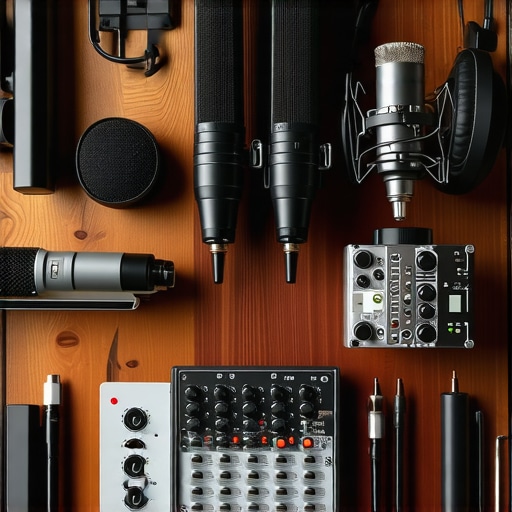
Ultimate Guide to Voice Recording & Microphone Setup: USB, XLR, Shotgun 2025

Ever spent hours trying to record that perfect podcast or voiceover only to find your audio sounds flat, distant, or just plain mediocre? I’ve been there. I remember my first attempts, fumbling with confusing cables, guessing which microphone would actually sound good, and wondering why my voice didn’t pop out the way I wanted it to. It was frustrating enough to almost give up — but then I had a lightbulb moment that changed everything.
Why Getting Your Microphone Setup Right Matters More Than Ever
In 2025, the quality of your voice recordings can make or break your content. Whether you’re a creator, a podcaster, or a streamer, the right microphone isn’t just a fancy gadget; it’s your voice’s best friend. And let’s face it, with so many options out there — USB, XLR, shotgun — it’s easy to get overwhelmed. I want to help you cut through the noise and find a setup that works for your budget and needs.
From my personal experience, selecting the wrong microphone or setup can lead to hours of editing, disappointing sound quality, and even lost opportunities. Early on, I made the mistake of thinking “more expensive equals better,” only to realize I was missing out on simple, effective solutions that suit my space and style. Trust me, I’ve learned the hard way that understanding the differences and choosing wisely saves you time, money, and a lot of frustration.
Is All This Tech Really Necessary for Voice Clarity?
You’ve probably heard that the right microphone can dramatically improve your voice quality, but is investing in the latest gear really worth it? Well, I used to think I could get by with a cheap headset mic. That was a mistake. It wasn’t until I upgraded to a dedicated microphone that I truly understood the difference. For example, a good XLR shotgun microphone or a high-quality USB mic can bring clarity and depth to your voice that listeners will notice instantly.
According to recent studies, poor audio quality can reduce listener engagement by up to 80%. That’s a huge impact, and it’s why investing in the right microphone setup is crucial for anyone serious about their content.
So, if you’ve ever been frustrated because your voice sounds muffled, distant, or just not right on your recordings, you’re not alone. And more importantly, you’re in the right place to learn how to fix it. Over the next sections, I’ll guide you through the key choices — from USB to XLR, shotgun to handheld — and share tips that helped me elevate my voice recordings to professional levels.
Ready to stop guessing and start sounding great? Let’s dive into the practical steps and find the perfect setup for your voice today.
Choose the Right Microphone for Your Needs
Start by pinpointing what fits your setup and budget. Are you recording in a quiet home studio or on the go? A top USB microphone might be perfect for beginners, offering plug-and-play convenience. If you want professional-grade sound, consider an XLR microphone for greater control and clarity. I once upgraded from a basic USB mic to an XLR setup, and the difference was night and day. It took some time to learn the cables and settings, but the improved quality made recording sessions faster and more satisfying.
Set Up Your Microphone Properly
Placement is everything. Position your mic about 6-12 inches from your mouth, slightly off-axis to reduce plosives. Use a shock mount if possible to minimize vibrations. During my first XLR setup, I experimented with different distances and angles until I found the sweet spot that captured my voice clearly without background noise. Remember, the goal is a warm, full sound without muddiness. For a professional touch, add a pop filter like the pop filter to reduce sibilance and plosives.
Control Your Environment
Background noise can ruin your recordings. Use soft materials like foam panels, blankets, or rugs to tame echo and reverb. When I recorded in a small spare room, I hung blankets on the walls and used a desk shield, which made my voice much clearer. Avoid recording near windows or noisy appliances. If you can’t soundproof fully, at least position yourself away from sources of noise and use directional mics like shotgun models for focused pickup.
Adjust Your Audio Settings
Use your microphone’s gain control to prevent clipping—set it just high enough to capture your voice clearly. In your recording software, set a comfortable input level—aim for peaks around -12dB. I once overlooked this step and recorded too hot, which caused distortion. Always do a quick test recording and listen carefully. If your sound is dull or muffled, check your mic placement, gain, and environment. For detailed tips, check the ultimate guide to microphone setup.
Use Software Enhancements Wisely
Apply noise suppression, EQ, and compression sparingly. In my first podcast episodes, I relied heavily on filters, which sometimes made my voice sound unnatural. After experimenting with different settings, I learned to boost clarity without sacrificing natural tone. Most DAWs or recording platforms have built-in tools—use them to clean up your audio after recording. Remember, the best sound is achieved during the actual recording, not just in post-production.
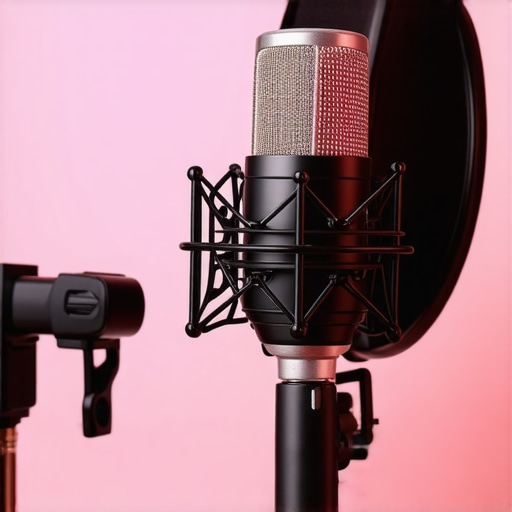
Many voice creators fall into traps because of misconceptions that seem convincing but are outright myths. One of the most persistent is the belief that expensive gear always guarantees professional sound quality. While high-end microphones like those reviewed in these top XLR microphones can deliver excellent results, choosing the right microphone depends heavily on your environment, technique, and post-processing. In fact, many creators achieve stellar sound with affordable options, provided they understand how to set them up properly.
Another misconception is that microphone placement is a minor detail. In reality, placement, distance, and angle can dramatically influence clarity and warmth. Moving the mic just a few inches can reduce background noise and sibilance, making your voice more natural. For advanced tips on this, check out the ultimate guide to microphone setup.
Many believe that using noise gates or filters can fix poor acoustics. This is a trap. Relying solely on software enhancements to clean up a bad environment often results in unnatural audio. Instead, focus on controlling your environment first — think acoustic treatment and mic placement — before leaning on post-processing. Experts like those behind best shotgun mics emphasize that good recording practices reduce the need for heavy editing.
How Can Advanced Microphone Techniques Improve Your Recording Quality?
For those seeking to elevate their audio, understanding polar patterns and directional microphones is crucial. Directional mics, such as shotgun models, focus on your voice while rejecting ambient noise, which is essential if you record in less-than-ideal spaces. Properly leveraging these can save hours in editing and produce a more polished sound. According to acoustic experts, selecting the correct polar pattern (like cardioid or hypercardioid) tailored to your environment can make a noticeable difference. For in-depth comparisons, explore the shotgun vs. XLR debate.
Have you ever fallen into this trap? Let me know in the comments.
Keeping your voice recording setup reliable over time requires more than just choosing the right microphone. Regular maintenance, selecting the appropriate tools, and understanding how to adapt your gear as your needs evolve are crucial for sustained quality. From personal experience, I’ve found that simple routines and quality accessories can dramatically extend the lifespan of your equipment and ensure consistent professional sound.
Invest in Quality Cables and Connectors
One of the most overlooked aspects of long-term maintenance is cable quality. Cheap, thin cables can degrade quickly, leading to crackles, intermittent sound, or loss of signal. I prefer using well-shielded, gold-plated XLR cables, like those recommended in this comprehensive guide. These not only provide a stable connection but also resist wear and corrosion better over time. Regularly inspecting and replacing worn cables prevents unexpected issues that can ruin a recording session.
Maintain Your Microphone and Accessories
Microphones, especially sensitive condenser types, benefit from periodic cleaning and proper storage. I use a soft brush and a microfiber cloth to gently remove dust and fingerprints. Keeping my pop filter and shock mounts clean ensures they function correctly and last longer. For example, cleaning the foam windscreen with mild soap and water helps maintain optimal sound quality, as dirty filters can muffle your voice or introduce noise. Always store your gear in a dry, dust-free environment, ideally in a padded case, to prevent damage from accidental bumps or environmental factors.
Use Software Tools to Extend Equipment Life
Digital tools can also help maintain your setup. Using a digital audio workstation (DAW) with built-in noise reduction and EQ presets allows you to clean recordings without over-relying on hardware. Additionally, software like noise suppression tools can be used post-recording to remove unwanted background sounds, which reduces strain on your microphone and environment. Regularly updating your drivers and firmware ensures your equipment remains compatible and performs optimally, preventing glitches or bugs that could degrade sound quality.
Plan for Upgrades as Your Content Grows
As your voice work becomes more professional, your needs will evolve. I recommend periodically reviewing your gear and considering upgrades, such as moving from a basic USB mic to an XLR microphone for greater control and clarity. Keeping an eye on the latest models and technology trends, like the upcoming 2025 microphone picks, ensures your setup remains state-of-the-art. Remember, investing in durable, upgradeable gear pays off in the long run, avoiding the need for frequent replacements.
How do I maintain my voice recording tools over time?
Establish a routine check every few months to inspect cables, clean accessories, and update software. Keep a log of your gear’s condition and note any issues early. This proactive approach prevents minor problems from escalating into costly repairs or replacements, ensuring your setup continues to produce crisp, clear audio without interruption. Staying organized and attentive to your gear not only prolongs its life but also boosts your confidence during recording sessions. So, try implementing a simple maintenance schedule today and enjoy consistent, professional results for years to come.
Reflecting on my journey with voice recording, I realize that some of the most valuable lessons came from unexpected challenges. One of the hardest lessons I learned was that investing in expensive gear isn’t a guaranteed shortcut to professional sound. Sometimes, a well-placed, affordable microphone paired with proper setup can outperform high-end gear if you understand its nuances.
Another insight I gained was the myth that environment doesn’t matter. I used to think I could fix poor acoustics with software, but I quickly discovered that acoustic treatment and strategic placement are the real game-changers. The magic happens when you combine quality tools with smart techniques—it’s a balance that even beginners can master with patience.
Finally, I learned that maintaining your equipment isn’t just about cleaning and replacing cables; it’s about cultivating a routine that keeps your setup reliable over years. Regular checks, updates, and thoughtful upgrades ensure your voice remains clear and captivating, no matter how much your content evolves.
My Essential Toolkit for Voice Recording in 2025
For anyone serious about elevating their voice recordings, I recommend starting with trusted gear like the top USB microphones for quick, high-quality results, or investing in an XLR microphone for more control. Additionally, a good pop filter and acoustic panels can dramatically improve clarity. For software, tools like noise suppression and EQ presets in your DAW help refine your sound without over-editing.
Trusted resources like the ultimate guide to microphone setup have been instrumental in my learning process, providing step-by-step advice tailored for creators at every level.
Seize the Moment Your Voice Deserves
Remember, mastering your voice setup is an ongoing journey, not a one-time fix. Every small tweak and routine check brings you closer to consistently professional sound. Your voice has power and personality—don’t let technical issues hold you back from sharing it with the world. Embrace the learning curve, experiment with new gear, and keep refining your craft. The future of your voice starts today—so go ahead, make that first step towards crystal-clear recordings and let your authentic sound shine.
What’s the biggest challenge you face with your current microphone setup? Share your experience below, and let’s grow together!
5 responses to “Ultimate Guide to Voice Recording & Microphone Setup: USB, XLR, Shotgun 2025”
I really appreciated the emphasis on environment control in voice recording. It’s often overlooked, but I found that even small changes, like adding blankets or foam panels, can dramatically improve audio clarity. When I started paying more attention to my room acoustics, I noticed a significant reduction in reverb and background noise, which saved me so much editing time. It made me wonder, for those recording in less-than-ideal spaces, what are your go-to solutions? Have you found portable acoustic treatments effective, or do you rely mainly on software? I’d love to hear different strategies to help others optimize their setup without breaking the bank. Also, the advice on mic placement is spot on; even moving the mic a few inches can change everything. It’s a simple tweak but so impactful. It’s inspiring to see how much room there is for improvement just by refining little details—sometimes, it’s the simplest adjustments that yield the best results.
This post hits the nail on the head about the importance of setup and environment. I’ve learned through my own experience that even with a good microphone, poor room acoustics can sabotage your sound quality. I started using portable acoustic panels and some DIY foam setups, which made a noticeable difference without breaking the bank. The key is also microphone placement—moving a mic just a few inches can drastically improve warmth and clarity. I’m curious, for those who record in small or multi-purpose spaces, what are your favorite affordable solutions to improve your sound quality? Do you rely more on hardware treatment or software enhancements? I’ve found a combination works best, but I’d love to hear what others are doing to optimize their environment effectively.
This article really hits home for me, especially the part about microphone placement and environment control. When I first started recording podcasts, I underestimated how much background noise and improper mic angles could affect the final sound. Once I invested in a decent pop filter and placed my mic at the optimal distance, my audio instantly sounded fuller and more professional. I also found that hanging a few blankets in my recording corner helped reduce echo, which was a game-changer. For those working in small or noisy spaces, what affordable solutions have you found most effective? I’ve considered trying portable acoustic panels, but I’d love to hear experiences from others. It’s fascinating how even small adjustments can make such a big difference—proving that sometimes, the simplest tweaks really do yield the best results. I’m curious, have you tried any DIY solutions that worked well for your setup? It’s inspiring to see how these minor investments can elevate the quality of our recordings.
This is a really comprehensive guide, and I appreciate how it touches on both technical setup and environmental control. Honestly, I’ve found that even small tweaks—like adjusting mic placement or adding simple acoustic treatments—can have such a huge impact on overall audio quality. I started with budget-friendly foam panels and a decent microphone, and that alone improved my recordings significantly. For fellow creators working in shared or noisy spaces, I recommend experimenting with portable diffuser panels or even creative DIY solutions like hanging blankets or using soft furniture to control echoes. Has anyone else here had success with DIY soundproofing? I’d love to hear more ideas, especially budget options. Also, I agree with the importance of environment; sometimes, investing in understanding mic polar patterns or other advanced techniques can really elevate your sound. Overall, it’s all about understanding your space and tools and making continuous adjustments for better clarity. What’s been the most surprising upgrade you’ve made that improved your recordings immensely?
I’ve really found that investing time into microphone placement makes a world of difference, even without fancy equipment. Moving the mic just a few inches or adjusting the angle can dramatically improve clarity and reduce background noise, which is something I learned the hard way early on. Besides that, I’ve had success with some DIY acoustic treatment ideas like hanging blankets and using soft furniture to tame echo in my recording space, especially in less-than-ideal environments. My biggest challenge continues to be managing background noise, especially with open windows or noisy neighbors. I’m curious, have others here experimented with creative, budget-friendly solutions to soundproof or improve their space? It’s always interesting to hear how different setups can impact the final sound quality and what tricks work best.


About Me

Chesung Subba
Author/Writer
Hello, I'm Chesung Subba, a passionate writer who loves sharing ideas, stories, and experiences to inspire, inform, and connect with readers through meaningful content.
Follow Me
Connect with me and be part of my social media community.
Leave a Reply