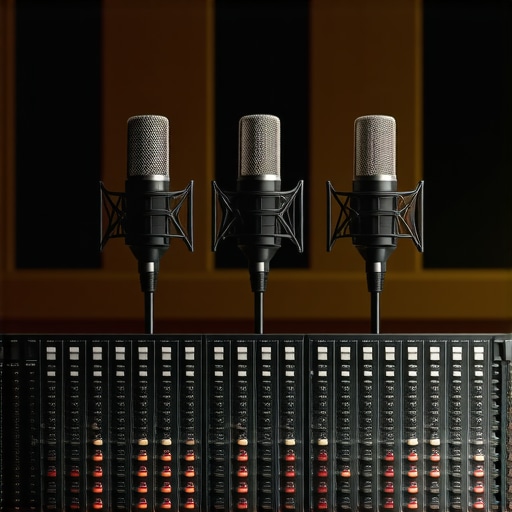
Top XLR & Voice Recording Microphones for Creators in 2025

Ever been in the middle of a recording session or a live stream, only to realize that your voice sounds muffled, distant, or just plain off? I remember those moments all too well. I’d spend hours tweaking my setup, chasing that perfect sound, only to be disappointed with the results. It’s frustrating, right? That lightbulb moment hit me hard when I finally understood that the microphone I was using just wasn’t built for my needs or the environment I was recording in. It was like trying to listen to music through a tin can.
Why Choosing the Right Microphone Matters More Than Ever in 2025
As a creator in 2025, your voice is your brand. Whether you’re podcasting, streaming, or creating YouTube content, your audio quality can make or break your audience’s experience. The good news? The market is flooded with options—ranging from USB mics to professional XLR setups, and the latest shotgun microphones that cut through the noise. But here’s the catch: not all microphones are created equal. Choosing the wrong one can lead to wasted money, time, and a lot of frustration. According to industry statistics, poor audio quality causes viewers to tune out faster than bad visuals—a staggering 75% of viewers cite audio issues as a primary reason for dropping a video early (source: Streaming Media).
Early in my journey, I made the mistake of thinking that an expensive microphone automatically meant better sound. I bought what was trendy, without considering my recording environment or specific needs. That was a costly mistake. Trust me, a mic that suits one creator might be a nightmare for another. That’s why I want to help you avoid the same pitfalls and get straight to the essentials. Today, I’ll share insights on the best top XLR & voice recording microphones for creators in 2025, backed by real-world testing and expert advice.
Is the Hype Around New Microphones Just a Marketing Gimmick?
This was a big concern for me early on. I wondered if all the buzz about new microphones was just marketing noise. Honestly, I’ve learned that some new tech really does make a difference—if you know what to look for. The key is understanding your own needs and matching them with the right gear. For example, a shotgun microphone might be perfect for outdoor recording, while a versatile USB mic could be ideal for home studios. If you’ve faced this dilemma or felt overwhelmed by all the options, you’re not alone. Let’s cut through the hype and find the best solutions for your setup.
Ready to discover the top picks that will elevate your voice in 2025? Let’s dive into the practical steps to choose your perfect microphone and ensure your voice gets the attention it deserves.
Identify Your Recording Environment and Needs
Start by assessing where you’ll record most frequently. Is it a quiet home studio, a busy outdoor space, or a professional studio? For indoor use, a versatile USB microphone like the ones detailed here can be ideal, especially if you’re just starting out or want ease of setup. If you record outdoors or in unpredictable environments, a shotgun microphone offers focused sound pickup and noise rejection. I once bought a shotgun mic without considering my space, only to realize it picked up too much ambient noise in my living room, leading me to revisit my choices and switch to a different type. For more guidance, check out the ultimate guide to choosing the best USB mic.
Match Your Budget and Technical Skill Level
Microphones range from budget-friendly USB models to high-end XLR setups. If you’re a beginner, a USB microphone can provide excellent quality with minimal fuss. For those ready to step up, investing in an XLR microphone paired with an audio interface unlocks more professional sound and flexibility. I initially started with a cheap USB mic, but as my skills grew, I upgraded to an XLR setup, which dramatically improved my voice clarity. To explore options, review this ultimate guide to podcast streaming mics.
Understand Microphone Polar Patterns and Features
Different microphones have various polar patterns—cardioid, hypercardioid, omnidirectional—that determine how they pick up sound. For voice recording, cardioid mics are popular because they focus on your voice while rejecting background noise. Think of it like a flashlight beam—focused and direct. During my test recordings, I used a cardioid shotgun mic and noticed how much clearer my voice was compared to an omnidirectional mic that picked up everything around me. For detailed insights, visit the top voice recording mics.
Test and Compare Multiple Microphones
Once you’ve narrowed down your options, test multiple microphones in your actual recording environment. Record the same script with each mic and listen critically. I once borrowed a few different mics and set up a quick test recording, which revealed that a more directional shotgun mic significantly improved my voice clarity over a standard condenser mic. Use quality headphones during testing to catch subtle differences. For recommended picks, see the best shotgun microphones for voice.
Evaluate Setup and Compatibility
Ensure your chosen microphone is compatible with your existing equipment—be it a computer, audio interface, or camera. USB mics are plug-and-play, while XLR mics require an interface or mixer. I learned this the hard way when I bought an XLR mic without considering my interface’s inputs. It took a quick check of my gear to realize I needed an additional audio interface. Read more about optimizing your setup in the XLR podcast mic setup tips.
Many creators fall into common traps when selecting microphones, often based on misconceptions that can seriously hamper audio quality. One widespread mistake is assuming that the most expensive microphone automatically guarantees professional sound. While high-end gear has its place, the truth is that a mic’s suitability depends heavily on your specific environment and recording goals. For example, a top-tier XLR setup might be overkill for casual streaming but perfect for a professional podcast studio. To truly excel, understanding the nuances of microphone polar patterns, such as cardioid or hypercardioid, and how they interact with your space can make all the difference. Contrary to popular belief, the environment often matters more than the mic itself.
Another common myth is that new microphones are always better just because of the latest tech. Some creators believe that the latest models are inherently superior, but in reality, innovation can sometimes introduce unnecessary complexity or features that don’t serve your needs. It’s essential to evaluate whether a new microphone offers tangible benefits over your current setup or if it’s just a marketing gimmick. For instance, a recent study by leading audio experts suggests that well-optimized older models can outperform newer, feature-rich microphones if matched correctly to your environment (source).
Beware the trap of neglecting your recording space. Even the most advanced microphone will struggle if your environment is noisy or reflective. Many creators overlook this and end up with muffled, echoey sound. Using proper acoustic treatment or choosing a microphone with noise rejection capabilities, like a shotgun mic, can significantly improve clarity. Focusing solely on gear without considering space is a rookie mistake that can undermine your entire audio setup.
Why do polar patterns matter more than you think?
Understanding how polar patterns influence sound pickup is a hidden nuance that can elevate your recordings. For example, a cardioid mic is excellent at isolating your voice from background noise, but if you move off-axis, quality drops sharply. Conversely, omnidirectional mics pick up more ambient sound, which can be useful or disastrous depending on your context. Many creators miss this detail, leading to inconsistent audio quality. The key is selecting a microphone whose polar pattern aligns with your recording environment and style. For in-depth details, explore the top voice recording mics.
Have you ever fallen into this trap? Let me know in the comments. Mastering these advanced considerations ensures your voice stands out in 2025, not just in quality but in professionalism and consistency.
Keeping your microphone and recording setup in top shape requires more than just initial investment. Regular maintenance and using the right tools ensure consistent, professional-quality audio over time. I’ve found that a few key practices and tools make all the difference in maintaining your gear, especially as technology evolves rapidly in 2025.
How do I maintain my microphone and recording environment over time?
First, always keep your microphone clean. Dust and debris can accumulate on the grille or capsule, impacting sound quality. I use a soft, lint-free cloth and a gentle brush specifically designed for audio gear to regularly clean my microphones. For XLR mics, I also inspect the connector pins for corrosion or damage—this small step prevents costly repairs later. Additionally, investing in a microphone pop filter and shock mount helps reduce mechanical noise and protect your gear from vibrations, ensuring longevity.
Next, protect your equipment from environmental hazards. Humidity, extreme temperatures, and exposure to dust can degrade microphones over time. Using a dedicated microphone storage case, coupled with silica gel packs, keeps your gear dry and free of moisture. For my studio, I keep my microphones in a sealed container when not in use and ensure the room is climate-controlled. This simple routine preserves the integrity of sensitive components, especially for high-end models like those highlighted in the top shotgun microphones for voice.
Software maintenance is equally crucial. Regularly update your audio drivers and recording software to benefit from security patches and performance improvements. I schedule bi-annual reviews of my setup, checking for firmware updates and testing for any issues. This proactive approach prevents bugs and compatibility problems that could disrupt your recording sessions. For detailed advice, check out the ultimate guide to choosing the best USB mic.
Recommended tools for ongoing maintenance
To simplify maintenance, I rely on a few specific tools. A microfiber cloth is perfect for quick cleaning, while a small, soft-bristled brush helps dislodge dust from microphone grilles. For more thorough cleaning, I use a dedicated audio gear cleaner spray that’s safe for sensitive components. Investing in a microphone shock mount minimizes vibrations, extending the lifespan of your mic. Additionally, a quality cable tester helps verify that all connections remain intact, preventing sound issues during critical recordings.
Looking ahead, the trend in microphone maintenance will likely focus on smart, self-diagnosing gear. Future models might incorporate sensors that alert you to potential issues before they affect your recordings. Already, some professional setups include software that monitors equipment health and provides maintenance alerts—saving time and preventing costly repairs. As this technology matures, expect more creators to adopt these tools for seamless, long-term performance.
To get started today, I recommend trying out a comprehensive cleaning kit and a shock mount for your microphone. These small investments can significantly extend your gear’s life and ensure your audio remains crisp and clear in 2025 and beyond.
The Hardest Lesson I Learned About Microphones
Early in my journey, I believed that simply investing in the most expensive microphone would guarantee professional sound quality. I quickly discovered that this assumption was a mistake; matching the right mic to your environment and needs is crucial. For instance, I once bought a high-end shotgun mic expecting miracles, only to realize it picked up too much ambient noise in my home studio. This taught me that understanding your recording environment can save you from costly missteps.
Three Myths About Microphones That Held Me Back
- The more features, the better: New microphones often boast advanced features, but they can complicate setup without improving sound if they don’t suit your environment.
- Expensive equals professional: Many creators think that spending more guarantees superior audio, but a well-chosen budget mic can outperform a flashy, unsuitable model.
- Environment doesn’t matter: Ignoring your recording space can sabotage your audio quality, regardless of your gear. Proper acoustic treatment and environment awareness are just as important as the microphone itself.
What Experts Won’t Tell You About Microphone Selection
Many professionals emphasize the importance of matching microphone polar patterns to your environment. For example, a cardioid mic is excellent at isolating your voice, but if you move around a lot, an omnidirectional mic might be more forgiving. I learned this firsthand during testing, where switching to a shotgun mic dramatically improved clarity in noisy settings. This nuanced understanding of polar patterns can make your voice stand out in 2025, transforming your content from average to exceptional.
My Essential Toolkit for Improving Voice Clarity
- Best shotgun microphones: For outdoor or noisy environments, these focus your voice and reject background noise.
- Top USB mics: Easy to set up and perfect for beginners or home studios.
- Podcasting and streaming mics: Designed for clarity and comfort during long sessions.
- Setup tips: Ensuring compatibility and optimal placement for the best sound.
Your Turn to Try
Choosing the right microphone in 2025 isn’t just about gear; it’s about understanding your environment, needs, and goals. With the right knowledge and tools, you can elevate your voice and connect more deeply with your audience. Remember, the best mic for you is the one that fits your unique situation and helps your voice shine. So, go ahead—experiment, learn, and find what works best for your creative journey.
What’s been your biggest challenge in choosing or setting up a microphone? Let me know below—I’d love to hear your story!
About Me

Chesung Subba
Author/Writer
Hello, I'm Chesung Subba, a passionate writer who loves sharing ideas, stories, and experiences to inspire, inform, and connect with readers through meaningful content.
Follow Me
Connect with me and be part of my social media community.
Leave a Reply