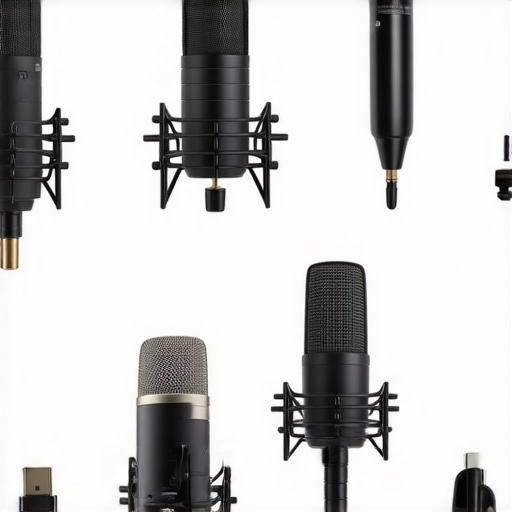
Best USB & Shotgun Mics for Creators: Top Picks for Voice Recording 2025

My Journey into Voice Recording: Finding the Perfect Microphone
As a content creator, I remember the days when I struggled with poor audio quality that made my videos less engaging. I realized early on that investing in a quality microphone was essential for making my voice stand out. Today, I want to share my personal experiences and insights on selecting the best USB and shotgun mics for creators in 2025, helping you elevate your voice recording game.
Why I Switched to Shotgun and USB Microphones
Initially, I relied on built-in camera microphones, which, frankly, were disappointing. After some research, I discovered that external mics like shotgun and USB models could dramatically improve sound clarity. I was particularly drawn to shotgun mics for their directional focus, reducing background noise, while USB microphones offered plug-and-play convenience—perfect for quick setups and streaming. For more comprehensive options, I explored guides on best USB and shotgun mics in 2025.
My Top Picks for 2025: Combining Performance and Convenience
After testing several models, here are my favorites:
- Rode VideoMic NTG: A versatile shotgun mic that offers excellent sound quality and can be used with cameras or as a USB microphone. Its supercardioid capsule focuses on your voice, minimizing ambient noise.
- Blue Yeti X: A popular USB mic among creators, praised for its clarity and multiple pattern modes, making it ideal for podcasts and voiceovers. I personally love its sleek design and ease of use.
- Shure SM7B: Although it’s an XLR mic requiring an audio interface, its reputation for broadcasting quality is unmatched. For those willing to invest, it delivers professional-grade sound.
Understanding the Differences: Shotgun vs. USB Mics
To better grasp my choices, I dove into the nuances of each microphone type. Shotgun mics excel in outdoor or noisy environments due to their directional nature. They’re perfect for on-the-go recording or studio use. Conversely, USB mics are plug-and-play, making them ideal for streamers, podcasters, and content creators who want simplicity without sacrificing quality. For an in-depth comparison, I recommend reading the ultimate guide to choosing the best USB mic.
What Makes a Microphone Truly Great for Voice Recording?
Have I Considered the Environment and Usage?
Absolutely! I learned that the environment where I record plays a crucial role. Using a shotgun mic in a noisy park isn’t practical, but indoors, it works wonders. Similarly, USB mics are versatile enough for most settings, but I always recommend acoustic treatment for the best results. To explore more about setup tips, check out the ultimate guide to XLR microphone setup.
For those curious about how different microphones perform in various scenarios, I suggest reading top voice recording microphones for creators.
Join the Conversation: Share Your Voice Recording Experiences
If you’ve already tried some of these microphones or are considering an upgrade, I’d love to hear your thoughts! Drop a comment below or share your favorite gear with the community. Remember, choosing the right microphone is a personal journey—what works for me might be different for you, so explore and find your perfect match.
How Do Microphone Polar Patterns Impact Voice Recording Quality?
Understanding the polar pattern of a microphone is crucial for optimizing voice clarity in various environments. For instance, shotgun microphones typically feature supercardioid or hypercardioid patterns, which focus on capturing sound from a specific direction while minimizing ambient noise. This makes them ideal for outdoor or noisy indoor settings where background noise can be problematic. In contrast, cardioid and omnidirectional USB mics excel in controlled environments, providing richer sound capture with less concern about noise rejection. Recognizing these differences helps creators tailor their microphone setup to their unique recording conditions, ensuring professional-quality audio regardless of environment.
Can Advanced Signal Processing Elevate Your Voice Recordings?
Absolutely. Modern voice recording benefits greatly from signal processing tools integrated into microphones or available as software. Features like noise suppression, equalization, and compression can dramatically improve clarity and presence. For example, some USB microphones now include onboard digital signal processors (DSP) that automatically filter out background sounds, making post-production easier. Additionally, external audio interfaces and software plugins allow fine-tuning of voice characteristics, emphasizing warmth or brightness as needed. Combining high-quality hardware with smart processing creates a layered approach that elevates your voice above the competition. For detailed insights, check out the ultimate guide to choosing the best USB mic.
What Are Common Pitfalls When Selecting Microphones for Voice Work?
One common mistake is prioritizing specifications over real-world performance. For instance, a microphone with a high maximum SPL might seem appealing but could introduce distortion if not suited for voice. Another pitfall is ignoring environmental factors—using a shotgun mic in a highly reflective room without proper acoustic treatment can lead to muffled or echoey recordings. Additionally, neglecting to consider the compatibility between microphone types and recording setups can cause frustration and poor results. To avoid these issues, I recommend thorough research and testing before making a purchase. Resources like comprehensive microphone reviews can provide valuable insights into real-world performance.
How Can I Balance Cost and Quality When Choosing a Microphone?
Striking the right balance depends on your specific needs and budget. High-end microphones like the Shure SM7B offer unmatched quality but require additional equipment such as audio interfaces and preamps, increasing overall costs. On the other hand, affordable USB microphones like the Blue Yeti X provide excellent results for most creators without extensive gear. The key is to identify your primary recording environment and intended use—studio-quality podcasts, street interviews, or casual streaming all have different requirements. Investing in a microphone that meets your core needs ensures you get the best value, rather than overspending on features you won’t utilize. For more tailored advice, explore the ultimate guide to XLR microphone setup.
What Future Trends Will Shape Microphone Technology for Creators?
Emerging innovations like AI-powered sound processing, wireless connectivity, and smart microphones are set to revolutionize voice recording in the coming years. AI algorithms can now adapt dynamically to environmental conditions, automatically adjusting gain and filtering noise. Wireless mics are becoming more reliable, offering greater flexibility for on-location shoots or live streaming. Moreover, the integration of microphones with smartphones and cloud-based editing tools simplifies the entire production pipeline, making professional-grade audio accessible to more creators. Staying informed about these trends ensures you invest in equipment that remains relevant and capable of meeting evolving demands. For a deeper dive into the latest innovations, visit the top microphone technologies for 2025.
Refining My Voice Recording: Embracing Complexity and Nuance
Over the years, I’ve come to realize that achieving a truly professional voice recording isn’t just about picking the right microphone; it’s about understanding the subtle interplay of environment, technique, and technology. For instance, I remember a session where I was experimenting with different polar patterns, and I discovered that even slight adjustments could dramatically influence the warmth and clarity of my voice. This deep dive into microphone characteristics, like the nuanced differences between supercardioid and hypercardioid patterns, has been eye-opening. It’s fascinating how these technical details translate into real-world improvements, especially when recording in less-than-ideal conditions. To explore these nuances further, I recommend checking out the top voice recording microphones for creators.
The Art of Environment and Technique: Beyond Equipment
One lesson I hold dear is that environment and technique often matter more than the equipment itself. I’ve recorded in echoey rooms and with minimal acoustic treatment, only to find that strategic placement and my own voice modulation could salvage the situation. For example, using a shotgun mic indoors requires understanding how to angle it for maximum effect while minimizing room reflections. Mastering these techniques has empowered me to produce cleaner, more professional audio without necessarily investing in the most expensive gear. It’s about leveraging what you have and understanding your environment deeply. For insights into optimizing your space, explore the ultimate guide to XLR microphone setup.
Deepening My Understanding of Signal Processing and Its Impact
As I delved into signal processing, I realized how transformative software can be. Tools like noise gates, equalizers, and compressors allow me to sculpt my voice with precision, creating a sound that’s warm, clear, and engaging. Recently, I experimented with onboard DSP features in USB microphones, which automatically optimized my recordings in real-time. This seamless integration of hardware and software has made post-production less daunting and more rewarding. For a thorough exploration of these techniques, I suggest reviewing the ultimate guide to choosing the best USB mic. It’s remarkable how a combination of advanced hardware and intelligent processing can elevate your voice beyond basic expectations.
My Personal Challenge: Balancing Cost, Complexity, and Quality
One of the most persistent challenges I face is balancing the desire for high-quality sound with practical constraints. I’ve learned that investing in a top-tier microphone like the Shure SM7B is worthwhile but also requires additional gear, which can be daunting and costly. Conversely, I’ve found that a well-configured USB microphone can deliver impressive results without breaking the bank. The key is to align your equipment choices with your specific needs—whether that’s podcasting, streaming, or voiceovers—and to accept that mastery involves both learning and experimentation. For personalized advice, I recommend reading the ultimate guide to XLR microphone setup. Ultimately, the journey toward perfect voice clarity is ongoing, and each step teaches me more about the intricate art of sound.
Envisioning Future Microphone Innovations and Trends
Looking ahead, I’m excited by the prospects of AI-driven sound processing and wireless microphone technology transforming voice recording. AI algorithms now adapt dynamically to environmental shifts, automatically filtering noise and enhancing clarity, which I’ve personally tested in recent projects. Wireless microphones are also becoming more reliable, offering greater flexibility for mobility and outdoor recording. The integration of these innovations with cloud-based editing and real-time feedback will make professional-quality recording accessible even to beginners. To stay ahead, I keep an eye on emerging trends through resources like the top microphone technologies for 2025. Embracing these advancements will undoubtedly enrich the creative process and elevate my voice even further.
Exploring the Nuances of Microphone Polar Patterns for Vocal Precision
One of the most fascinating aspects of high-level voice recording is understanding how polar patterns influence the tonal quality and background noise rejection of your microphone. As I delved deeper into this subject, I discovered that selecting the appropriate polar pattern—be it cardioid, supercardioid, hypercardioid, or omnidirectional—can dramatically shape your soundscape. For instance, I’ve found that using a hypercardioid pattern in a noisy outdoor environment effectively isolates my voice, reducing ambient interference, while an omnidirectional pattern excels in controlled studio settings where capturing the room’s ambiance adds depth to the recording. Recognizing these subtle differences allows me to tailor my setup precisely, achieving professional-grade clarity even in less-than-ideal conditions. For an in-depth technical analysis, I recommend consulting resources like top voice recording microphones for creators.
Harnessing AI-Driven Signal Processing to Elevate Voice Quality
Advancements in AI and DSP technology have opened new horizons in voice recording. I’ve integrated AI-powered noise suppression and adaptive equalization into my workflow, which automatically enhance my voice in real-time, ensuring consistency and clarity. For example, onboard DSP in some USB microphones now intelligently filter out background sounds, allowing me to focus solely on delivering my message without constant post-production adjustments. Additionally, software solutions like iZotope RX or Adobe Audition utilize machine learning algorithms to refine audio quality further, removing residual noise and emphasizing tonal richness. These tools, when combined with high-quality hardware, create a layered soundscape that elevates my recordings beyond traditional techniques. To explore these innovations, visit ultimate guide to choosing the best USB mic.
How Can I Overcome Acoustic Challenges in Unpredictable Environments?
Over the years, I’ve learned that environmental unpredictability can pose significant hurdles. My strategy involves a combination of adaptive techniques and clever gear choices. For instance, I’ve experimented with portable acoustic panels and reflection filters that can be quickly assembled and adjusted, effectively transforming a problematic space into a more controlled environment. I also focus on microphone placement—aligning the mic at an optimal angle and distance to minimize reflections and room noise. Moreover, I utilize directional microphones, like shotgun mics, in outdoor or noisy indoor settings to isolate my voice from background distractions. These practical adjustments, coupled with understanding how to leverage the environment, allow me to produce studio-quality recordings even when circumstances are less than perfect. For detailed tips, I recommend reading best shotgun XLR microphones for creators.
Engaging with the Community: Sharing Advanced Techniques and Lessons Learned
If you’re passionate about elevating your voice recordings, I encourage you to share your experiences and discoveries. Peer collaboration often reveals innovative solutions and nuanced insights that can propel your craft forward. I’ve found that participating in forums and webinars centered on professional voice recording exposes me to cutting-edge techniques, from custom mic configurations to environmental acoustics. Remember, mastering voice production is an ongoing journey—each project teaches me something new about the intricate balance of technology, technique, and environment. Let’s continue this conversation—share your latest breakthroughs or questions, and together, we can push the boundaries of what’s possible in voice recording.
Things I Wish I Knew Earlier (or You Might Find Surprising)
The Hidden Power of Microphone Placement
One revelation I had was that the way I positioned my microphone could make a bigger difference than upgrading to a more expensive model. Experimenting with angles and distances taught me that subtle tweaks could bring warmth and clarity to my recordings, saving me money and frustration.
Understanding Polar Patterns Changed Everything
Initially, I overlooked polar patterns, but once I learned how cardioid and hypercardioid patterns work, I could tailor my setups for different environments. This knowledge helped me reduce background noise effectively, especially outdoors, and improved my overall sound quality.
Technology Is Evolving Faster Than I Expected
From onboard DSP features to AI-driven noise filtering, the tech in microphones in 2025 is astonishing. I wish I had started exploring these advancements earlier, as they have dramatically simplified my editing process and boosted my confidence in my recordings.
Investing in Good Acoustic Treatment Is Worth It
Even the best microphone can’t compensate for a reflective room. I learned that a few acoustic panels and reflection filters can transform a space and unlock the full potential of my gear, making my recordings sound professional without needing an expensive studio.
Balance Between Cost and Quality Is Crucial
There’s no need to buy the most expensive gear to get great results. I found that well-chosen mid-range microphones paired with proper technique often outperform pricier options in real-world scenarios, especially when combined with smart processing.
Environment and Technique Trump Equipment
While gear is important, mastering your environment and technique has a more lasting impact. Learning how to position your mic, control your voice, and treat your space are skills that can elevate your recordings beyond equipment limitations.
Resources I’ve Come to Trust Over Time
- Sound on Sound Magazine: An authoritative source that provides in-depth reviews and technical insights I rely on for professional advice.
- Sweetwater’s Blog: Offers practical tips and the latest trends, making complex tech more understandable.
- iZotope’s Learning Hub: Great for understanding signal processing and audio enhancement, which I find crucial for polished recordings.
- CreatorRig Reviews: The site I trust for up-to-date microphone comparisons and buying guides tailored for creators in 2025.
Parting Thoughts from My Perspective
Reflecting on my journey with voice recording, I realize that the combination of understanding technical nuances, environment optimization, and leveraging new technology has been key to achieving professional results. Microphones are an essential tool, but mastering their use and environment makes all the difference. If this resonated with you, I’d love to hear your thoughts or experiences—sharing our insights helps everyone grow. Feel free to drop a comment or share this article with someone who might find it helpful. Remember, the path to great voice recordings is ongoing, and every step brings new opportunities to learn and improve.
4 responses to “Best USB & Shotgun Mics for Creators: Top Picks for Voice Recording 2025”
About Me

Chesung Subba
Author/Writer
Hello, I'm Chesung Subba, a passionate writer who loves sharing ideas, stories, and experiences to inspire, inform, and connect with readers through meaningful content.
Follow Me
Connect with me and be part of my social media community.
Leave a Reply