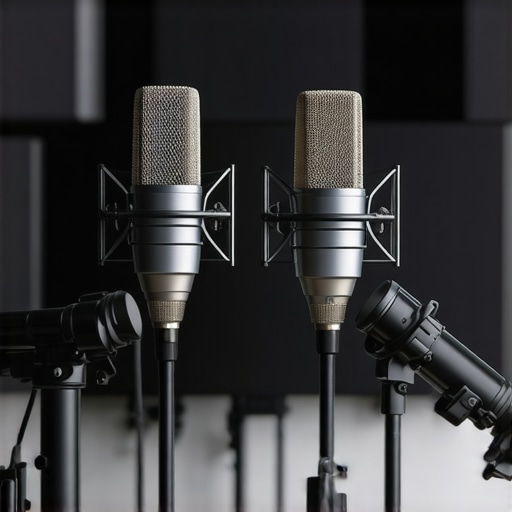
Top Podcasting & Voice Recording Microphones: XLR, USB & Shotgun Tips for Creators 2025

Ever spent hours trying to get that perfect podcast or voiceover, only to be disappointed by a dull, muffled sound that just won’t improve? I remember the frustration all too well. I once spent a small fortune on a fancy microphone, only to realize I had no clue how to set it up properly. The result? Crappy audio quality that made me want to give up before I even started. That lightbulb moment hit me hard—good microphones are just part of the story; proper setup and understanding are what truly make a difference.
Why Microphone Choices Can Make or Break Your Content
Choosing the right microphone isn’t just about fancy features or brand names. It’s about understanding your environment, your voice, and what kind of sound quality you need to stand out in 2025’s crowded creator space. With so many options—XLR, USB, and shotgun mics—it’s easy to feel overwhelmed. But trust me, making the right choice can drastically improve your audio clarity and professionalism, which are key to growing your audience.
Have You Faced This Common Microphone Dilemma?
Maybe you’ve bought a mic that looked good online, only to realize it picks up every background noise or sounds tinny through your headphones. Believe me, I’ve been there. I used to think that the most expensive gear automatically meant better sound—until I learned that setup and environment matter more. Early on, I made the mistake of ignoring how my room acoustics affected my recordings, which hampered my growth. That mistake taught me the importance of choosing equipment suited for your specific needs, not just what’s popular or shiny.
Today, I’ll guide you through the most essential tips and tricks to make your voice recordings crisp, clear, and professional. Whether you’re podcasting, streaming, or creating voiceovers, understanding the nuances of microphones—like when to use a shotgun over an XLR or USB mic—can be a game changer. Want to learn more about the best picks for 2025? Check out this comprehensive guide for all the latest options and setup tips. It’s time to stop guessing and start creating with confidence.
Select the Right Microphone for Your Needs
Start by clearly identifying your recording environment and goals. Are you podcasting from a noisy room? A shotgun mic might be your best friend. If you’re streaming at a desk with limited space, a USB microphone like the best USB mics for creators in 2025 could be ideal. For professional-quality recordings, consider an XLR setup, which offers superior sound quality and flexibility.
Choosing Between USB, XLR, and Shotgun Microphones
Why USB Microphones Simplify Setup
USB mics are plug-and-play, making them perfect for beginners. They connect directly to your computer via USB, eliminating the need for an audio interface. I once set up a top USB microphone in 2025 for a quick podcast session, and the process took less than five minutes. This is a great choice if you prioritize convenience and portability.
Why XLR Microphones Offer Higher Quality
XLR mics demand additional gear like an audio interface or mixer but deliver richer, cleaner sound. When I upgraded from a USB to an XLR microphone in 2025, my voice sounded more natural and professional. If you’re aiming for studio-quality podcasts, this is the way to go.
Shotgun Microphones for Focused Sound Capture
Shotgun mics are directional, ideal for capturing voice in noisy environments. I used a shotgun mic setup in 2025 when recording outdoors, and the clarity was impressive. They excel at isolating your voice from background noise and are perfect for videographers or streamers in uncontrolled spaces.
Proper Microphone Placement and Environment
Position your microphone correctly. For most voice recordings, keep the mic about 6-12 inches from your mouth, slightly off to the side to avoid plosive sounds. Use a pop filter—trust me, it’s a game-changer. I once recorded an entire episode without one, and the popping sounds made editing a nightmare. Now, I always add a pop filter, which you can find in top recommended gear.
Control your environment: soft furnishings, carpets, and acoustic panels can dramatically reduce echo and background noise. I experimented by adding foam panels to my room, which improved my audio clarity significantly, especially with sensitive mics.
Connect and Configure Your Microphone
Connect your mic according to its type. USB mics just need to be plugged in; your computer will recognize them automatically. For XLR mics, connect to your audio interface, then to your computer via USB or Thunderbolt. Once connected, set your microphone as the default input device in your system settings and your recording software.
Adjust gain levels carefully. Too high, and your audio will clip; too low, and it’ll sound weak. Use your software’s levels to find a sweet spot where your voice peaks around -6 dB. I learned this the hard way during a live recording, but now I always do a quick test before recording in professional setup guides.
Test and Fine-Tune Your Setup
Always record a short test clip to evaluate sound quality. Listen carefully for background noise, plosives, and room echo. If needed, reposition your mic or add acoustic treatments. I once spent an hour adjusting my microphone angle and room setup, and the difference in clarity was night and day. Use editing software to trim any unwanted sounds and normalize volume levels for consistency.
Remember, your setup is an ongoing process. As your environment or goals evolve, revisit and refine your microphone placement, connection, and acoustics. Mastering this will ensure every episode or voiceover sounds professional and engaging, no matter where or how you record.
Many voice creators and podcasters fall into misconceptions that can sabotage their audio quality and confidence. Let’s dig deeper into what most people get wrong about microphones and how to avoid these pitfalls, so you can elevate your content to professional standards in 2025.
Why Believing Price Equals Quality Is a Trap
One of the biggest myths is that expensive microphones automatically mean better sound. While high-end gear can offer superior performance, it’s not a guarantee if you don’t consider your environment and setup. For instance, a budget USB mic paired with proper acoustics and positioning can outperform a pricier model in a noisy room. The key is matching your equipment to your environment and goals, not just chasing the latest shiny gadget. For nuanced insight, check out this guide to find the best gear for your setup.
Overlooking Room Acoustics and Placement
Many creators focus solely on the microphone and ignore their recording space. The false assumption is that a mic alone will fix poor acoustics. In reality, even the best microphone will struggle in a reflective room with echo or background noise. Proper placement—like keeping the mic 6-12 inches from your mouth and using a pop filter—is essential. But equally important is treating your room with acoustic panels or soft furnishings. I once spent hours trying to improve my mic quality, only to realize that adding foam panels made a night-and-day difference. Don’t underestimate your environment; it’s crucial for getting clear, professional sound. Learn more about optimizing your space here.
Assuming All Microphones Are Created Equal
Not all mics are suitable for every voice or environment. Many beginners believe that any mic will do, but advanced users understand that different types excel in different scenarios. For example, shotgun mics are designed to focus on your voice and reject background noise—perfect for outdoor recordings or streaming in noisy rooms. Conversely, a condenser microphone might pick up every nuance of your voice but also every bit of room echo if not positioned properly. Choosing the right mic depends on your specific needs, which is why I recommend reviewing this comprehensive comparison of top models for 2025. It’s all about matching the mic to your environment and goals, not just following trends.
Are You Falling for This Advanced Microphone Mistake?
Many advanced creators overlook the importance of proper gain staging and software configuration. Even with a perfect mic and environment, poor gain levels or incorrect input settings can lead to distorted or weak audio. This is especially true when switching between different devices or recording setups. A study by audio engineers emphasizes that proper gain and signal flow are crucial for maintaining audio integrity throughout the recording chain. Always test your levels, and use software tools to optimize your sound before hitting record. For more detailed tips, visit this setup guide. Have you ever fallen into this trap? Let me know in the comments.
Maintaining your microphone setup over time is essential to ensure consistent, professional audio quality for your content creation journey in 2025. Regular upkeep, the right tools, and a few strategic habits can extend the lifespan of your equipment and keep your recordings sounding crisp. I’ve learned through experience that neglecting maintenance can lead to degraded sound and increased frustration, but with a few simple practices, you can avoid these pitfalls.
Tools I Recommend for Microphone Maintenance
One of my go-to tools is a high-quality, anti-static brush. I use it monthly to gently clean the microphone grille, preventing dust buildup that can muffle sound or introduce noise. Additionally, I swear by a microfiber cloth for wiping down the body of the microphone, especially after long recording sessions. For delicate internal components, a can of compressed air is invaluable — just a few blasts can dislodge dust and debris that might have crept inside. For XLR mics, I also keep a set of replacement cables and connectors handy, as damaged cables can cause intermittent audio issues, and replacing them is often the simplest fix.
In terms of software, I rely on regular driver updates and audio calibration tools. Keeping your audio interface drivers current ensures compatibility with your operating system and prevents unexpected glitches. I also use a digital audio workstation (DAW) with built-in noise reduction plugins, which I run periodically to clean up recordings and maintain clarity. These tools help me preserve the integrity of my audio chain over months and years of use.
How do I maintain my microphone setup over time?
Establish a routine of cleaning and inspecting your gear every few weeks. Check for loose connections, wear, or corrosion, especially if you frequently transport your equipment. Store your microphones in padded cases or dedicated shelves to protect them from dust, moisture, and accidental knocks. When not in use, cover your mics with dust covers or cloths to minimize exposure to environmental contaminants. Additionally, pay attention to your environment — controlling humidity and temperature in your recording space prevents corrosion and damage. I’ve found that maintaining a stable environment, along with regular cleaning, keeps my gear performing at its best for years.
Another key tip is to avoid overusing your equipment. Give your microphone a break after long sessions, and don’t leave it connected to power or in humid conditions for extended periods. The trend in 2025 points toward smarter, more durable gear with self-cleaning or protective features, but until then, manual maintenance remains crucial. For instance, I recently upgraded my setup with a dedicated microphone preamp that includes built-in noise filtering, which reduces the strain on my mic and extends its lifespan. To learn more about the best maintenance practices, check out this comprehensive guide.
To really get the most out of your investment, consider establishing a scheduled maintenance routine—monthly for cleaning, quarterly for deeper inspections, and annually for professional servicing if needed. This proactive approach will ensure your gear stays reliable and your recordings remain professional, no matter how much your content creation scales in 2025.
So, grab that microfiber cloth, inspect those cables, and keep your setup in top shape. Trust me, your future self will thank you when your voice sounds as clear and engaging as ever. Try implementing one of these maintenance tips today and see the difference it makes in your next recording session!
The Hardest Lesson I Learned About Microphones
One of the most valuable lessons I’ve picked up is that even the fanciest microphone won’t save a bad recording if you don’t pay attention to placement and environment. I wasted so much time and money chasing top-tier gear, only to find that room acoustics and proper positioning made all the difference. That lightbulb moment taught me to focus on the basics first—like room treatment and mic placement—before upgrading my gear.
My Essential Toolkit for Voice Clarity
Over the years, I’ve come to trust a few tools that keep my audio crisp and professional. A high-quality pop filter is non-negotiable; it eliminates those ugly plosive sounds that ruin recordings. For cleaning, I swear by a microfiber cloth and a gentle anti-static brush for the mic grille, which prevents dust buildup that can muddy your sound. When it comes to software, regular driver updates and noise reduction plugins in my DAW help me maintain clarity. For detailed recommendations, check out this setup guide.
It’s Time to Take Action and Elevate Your Voice
Creating professional-quality audio isn’t just about buying the latest gear; it’s about making smart choices and maintaining your setup. In 2025, more creators than ever are realizing that consistent effort and attention to detail are what set them apart. Whether you’re streaming, podcasting, or recording voiceovers, you have the power to transform your sound with just a few strategic steps. Don’t wait—your audience will thank you for the effort. Start today by reviewing your environment, checking your connections, and practicing proper placement. Your voice deserves to be heard clearly and confidently—so take action now and make your recordings shine.
One response to “Top Podcasting & Voice Recording Microphones: XLR, USB & Shotgun Tips for Creators 2025”
About Me

Chesung Subba
Author/Writer
Hello, I'm Chesung Subba, a passionate writer who loves sharing ideas, stories, and experiences to inspire, inform, and connect with readers through meaningful content.
Follow Me
Connect with me and be part of my social media community.
Leave a Reply