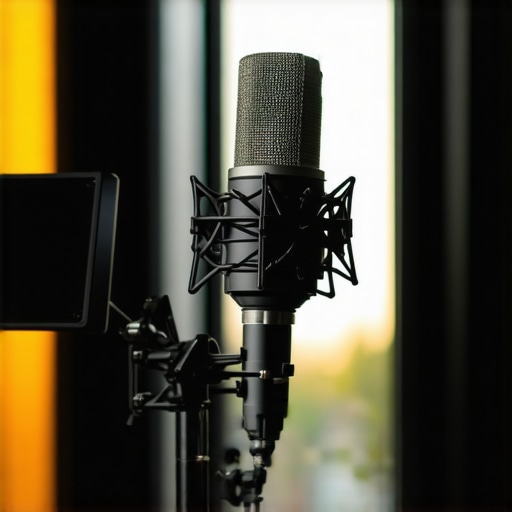
Best XLR Microphones for Voice Clarity in 2025: Ultimate Guide

I remember the moment vividly. I had just finished recording a podcast episode, excited to share my thoughts with the world. But as I listened back, all I could hear was a muddled mess of background noise and muffled vocals. Frustration set in. It was then I realized—I needed to seriously upgrade my mic setup. That lightbulb moment led me down a rabbit hole, discovering that the right microphone can make or break your sound quality.
Why Voice Clarity Matters More Than Ever in 2025
In today’s digital landscape, voice clarity isn’t just a luxury; it’s a necessity. Whether you’re podcasting, streaming, or just recording for your next YouTube hit, your microphone is your primary tool. A poor-quality mic can make even the most talented speaker sound amateurish. Conversely, investing in the right XLR microphone can transform your audio, making you sound professional and polished.
Is all the hype around XLR mics justified?
I used to think that a basic USB mic would suffice. But I made a rookie mistake early on—expecting a single budget mic to deliver studio-quality sound. The truth is, the difference between a good XLR mic and a cheap one is like night and day. This mistake taught me that saving on quality can cost you listeners and credibility. Now, I wish I had started with a dedicated XLR setup, rather than settling for mediocre sound.
So, if you’ve ever felt your audio sounds flat, tinny, or inconsistent, you’re not alone. The good news is, choosing the right microphone can make a world of difference. In this guide, we’ll explore the best options for voice clarity in 2025, helping you avoid common pitfalls and step up your audio game.
Choose the Right Microphone for Your Voice
Start by matching your recording needs with the microphone type. For podcasting and streaming, a dedicated XLR microphone often delivers superior sound due to better preamp options and durability. If portability and ease of use are priorities, a high-quality USB microphone can suffice, providing plug-and-play convenience. For capturing specific sounds or voices in a focused manner, consider shotgun microphones like the top shotgun mics. Selecting the right mic sets the foundation for clear, professional tone.
Set Up Your Microphone Properly
Position your mic at mouth level, approximately 6-12 inches away, to avoid plosives and sibilance. Use a sturdy desk stand or boom arm; for XLR setups, invest in a shock mount to isolate vibrations. If recording outdoors or in noisy environments, a shotgun mic with a tight pick-up pattern, like the top shotgun mics, will help focus on your voice. Adjust the gain—too high causes distortion, too low loses clarity. Test by speaking naturally and listen critically through good headphones.
Optimize Your Recording Environment
Eliminate echo and background noise by adding soft materials: foam panels, blankets, or diffusers. Use a pop filter in front of your mic to reduce plosives—those harsh ‘p’ and ‘b’ sounds. Consider a dedicated recording space with minimal reflective surfaces. For mobile recordings, portable isolation shields can significantly improve sound quality by blocking ambient noise. This setup prevents unwanted echoes and ensures your voice stands out crisply.
Leverage Processing Tools to Enhance Clarity
After recording, apply noise reduction and equalization — boosting mid-range frequencies can make vocals clearer. Use software like Audacity or Adobe Audition to fine-tune your audio, removing background hiss or hum. For those using USB mics, consider plugins specifically designed to enhance voice quality. Remember, a clean raw recording reduces editing time and improves overall professionalism.
Test and Iterate for Consistent Results
Record short test clips whenever you change your setup—distance, environment, or settings. Listen critically, and compare against professional standards. Keep a checklist of adjustments: mic position, gain, environment setup. Frequent testing allows you to fine-tune your process, ensuring each recording session maintains high clarity. Over time, you’ll develop a setup that consistently captures your voice authentically and crisply, making your content stand out in 2025.
Many creators assume that simply picking the most popular microphone model is enough to guarantee professional-quality audio. However, this misconception overlooks critical nuances that can significantly impact your recording results. One common myth is that all microphones, whether XLR or USB, are created equal. In reality, their design and intended use can lead to major differences in performance, especially when it comes to voice clarity.
Don’t Believe the Bigger is Always Better
A prevalent mistake is equating size or price with quality. For example, some believe that a larger shotgun mic will inherently capture clearer audio. But the truth is, the design focus matters more than physical size. Many high-quality shotgun microphones are compact and still excel in isolating voice from ambient noise, making them ideal for focused recordings in unpredictable environments. Relying on outdated assumptions may lead you to invest in unnecessarily bulky equipment that doesn’t improve your voice quality.
Similarly, a common trap is overemphasizing hardware specifications, like frequency response ranges, without considering the acoustic environment or recording techniques. As expert sound engineer an industry professional notes, the best microphone is only as good as how you set it up and where you record. Many creators overlook the importance of environment and mic placement, which can be more critical than the microphone’s technical specs.
Mastering Your Setup: The Hidden Nuance
Many get tripped up by incorrect microphone positioning, which can cause issues like plosives, sibilance, or inconsistent volume. Plosives, the harsh ‘p’ and ‘b’ sounds, are particularly problematic for XLR setups but can be mitigated with proper pop filters and positioning. Failing to use these tools or misplacing the mic—even by a few inches—can drastically reduce clarity.
Another often overlooked aspect is whether your recording environment is acoustically treated. You might invest in a top-tier microphone but record in a reflective room with echo, defeating the microphone’s potential. Expert advice suggests adding soft materials such as foam panels or diffusers to tame reflections, which can improve clarity more than upgrading your hardware.
Have you ever fallen into this trap of focusing solely on the gear while neglecting setup and environment? Let me know in the comments!
In sum, mastering voice clarity involves understanding that microphone choice is just part of a broader picture. Proper setup, environment control, and technique are the hidden gears in your recording success. Instead of following generic advice, aim for a nuanced approach that recognizes these intricacies, and you’ll reap the benefits in your audio quality and audience engagement.
Keeping Your Microphone Gear in Top Shape
To sustain excellent voice clarity, regular maintenance and choosing the right tools are essential. I personally swear by routinely inspecting my XLR setup, ensuring cables are undamaged and connectors are free of corrosion. Using high-quality, shielded cables can prevent noise and signal loss, which I consider a worthwhile investment. For USB mics, keeping drivers updated and periodically reinstalling software helps prevent compatibility issues. Over the years, I’ve found that simple routines—like dusting off your microphone, cleaning pop filters, and ensuring proper cable management—not only extend your gear’s lifespan but also keep your recordings consistently clear.
Tools I Recommend for Long-Term Reliability
One tool I always keep handy is a multi-meter, which allows me to test my XLR cables for continuity and shorts before recording sessions. This prevents unexpected interruptions caused by faulty wiring. Additionally, investing in a cable tester can save hours of troubleshooting and protect your investment. For environmental maintenance, acoustic treatment like foam panels and bass traps are crucial—especially if your space doubles as a recording studio. I personally find that regularly replacing or cleaning foam filters on shotgun mics maintains high directional accuracy, which minimizes background noise and emphasizes your voice.
How do I maintain optimal microphone performance over time?
Maintaining your microphone setup requires a blend of routine checks and strategic upgrades. Keep firmware and drivers up-to-date—this is especially important for USB microphones like the best USB mics. Regularly inspect your cables and connectors; replace any that show signs of wear. Use dedicated stands and shock mounts—such as those recommended in this guide—to prevent vibrations that can degrade sound quality. Think of your gear like a race car: preventative maintenance keeps it running smoothly, ensuring you capture crisp audio every time. As recording environments evolve, consider upgrading your acoustic treatment or adding noise gates to filter out unexpected sounds. Predicting the future of voice recording, I believe AI-powered noise reduction tools will become more integrated, making daily upkeep even simpler. Try integrating a dedicated noise gate or an automatic gain control system into your setup and notice the difference in clarity—it’s a game changer for long-term quality maintenance.
What I Wish I Knew When I Started Crafting My Voice
One of the most valuable lessons I learned early on was that equipment alone can’t guarantee professional sound. Proper mic placement and environment matter more than just choosing the priciest gear. I once spent hours troubleshooting issues stemming from improper positioning, realizing that a simple adjustment made a world of difference. This lightbulb moment taught me to prioritize setup and technique—lessons that any creator can implement immediately for better clarity.
My Go-To Tools for Consistent Voice Excellence
Over the years, I’ve found that specific tools drastically improve my recording quality. For instance, using a shock mount keeps vibrations at bay, ensuring clean audio. A quality pop filter reduces unwanted plosives. My trusted XLR microphones deliver the warmth and detail my voice needs. These tools, combined with best practices, create a foundation for high-quality recordings—something I recommend everyone invests in.
Embracing a Growth Mindset for Podcasting Success
Achieving clarity isn’t just about gear—it’s about attitude. Every session is a chance to learn and tweak. I encourage creators to record short tests regularly, listen critically, and note what improvements can be made. Remember, each little change—be it environment, positioning, or settings—compounds into a professional-sounding project. Stay curious, experiment boldly, and don’t shy away from seeking feedback—your voice deserves to be heard clearly, no matter your experience level. So, embrace the journey with patience and passion, and watch your recordings transform in 2025 and beyond.
Ready to Amplify Your Voice and Reach New Heights?
Your voice is your most powerful tool as a creator. With the right mindset, setup, and tools, achieving crystal-clear sound is within reach. Don’t let technical doubts hold you back—every small tweak brings you closer to professional-grade audio. Keep experimenting, stay informed, and never underestimate the importance of environment and technique. Your future audience is waiting to hear you at your very best. Remember, the journey to perfect voice clarity starts now—are you ready to take that first step?
About Me

Chesung Subba
Author/Writer
Hello, I'm Chesung Subba, a passionate writer who loves sharing ideas, stories, and experiences to inspire, inform, and connect with readers through meaningful content.
Follow Me
Connect with me and be part of my social media community.
Leave a Reply