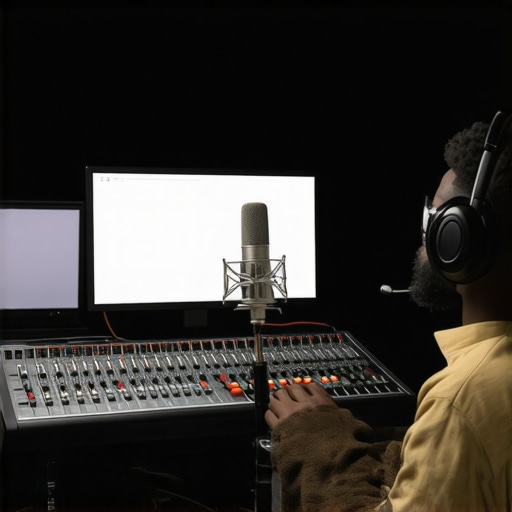
Best USB Microphones for Creators in 2025: Voice Clarity & Podcast Tips

I remember the first time I sat down in front of my microphone, eager to record my voice for a new podcast episode. Instead of crisp, clear sound, I got muffled, echoey audio that made me want to hit delete immediately. Frustration bubbled up as I realized my cheap mic wasn’t cutting it, and I was missing out on the professional quality I desperately needed. That lightbulb moment led me down a rabbit hole of research, testing, and eventually discovering the best USB microphones for creators in 2025. Today, I want to share that journey with you, especially if you’re tired of dealing with poor audio quality and want to elevate your voice recordings or podcasts.
Why Voice Clarity Matters More Than Ever in 2025
Let’s be honest — in a world overflowing with content, your voice is your most powerful tool. Whether you’re podcasting, streaming, or creating videos, clear, professional sound makes all the difference. According to a 2024 study by Podcast Insights, over 75% of listeners cite audio quality as the top factor influencing their engagement. That’s a huge deal! If your microphone isn’t doing its job, your message gets lost, and your audience drifts away. So, choosing the right mic isn’t just about specs; it’s about making your voice heard clearly and confidently.
Have you ever invested hours into content creation only to realize your audio sounded like it was recorded inside a tin can? I’ve been there. Early on, I made the mistake of assuming all microphones are created equal. Spoiler: They’re not. Some pick up background noise, others distort your voice, and many are just not suited for the nuance of spoken word. The good news? Once I switched to the right equipment, everything changed. That’s what I’ll help you with today — how to avoid those costly mistakes and find the perfect microphone for your needs.
If you’re tired of poor audio quality undermining your content, stick around. I’ll walk you through the top picks for 2025, along with practical tips to help you choose what’s best for your voice and your budget. Ready to upgrade your sound game? Let’s dive into the world of high-quality microphones and get your voice heard loud and clear.
Pick the Right Microphone for Your Voice
My first mistake was assuming that all microphones are created equal, but I quickly learned that selecting the right one can make or break your audio quality. Think of your microphone as the lens of a camera — the clearer it is, the better your message comes through. When I tested different models, I found that best USB microphones for creators in 2025 offer plug-and-play convenience with professional results, ideal for beginners and pros alike.
Identify Your Recording Environment
Before you pick a mic, assess your space. Is it a noisy room or a quiet closet? For noisy environments, shotgun mics excel because they focus sound from the front and reject background noise, much like a telescope narrows your view. When I recorded my first podcast, I used a shotgun mic and instantly noticed clearer voice capture, free of distracting room echoes. Check out best shotgun USB and XLR mics for voice recording for top picks.
Decide Between USB and XLR
USB mics are simple — just plug and play, perfect if you want quick setup. XLR mics require an audio interface but offer superior sound quality and flexibility, especially for professional studios. I started with a USB mic, and after a few months, I upgraded to an XLR setup. The difference was night and day, especially for podcasting. For detailed comparisons and recommendations, see ultimate guide to voice recording with USB and XLR mics.
Match the Microphone Type to Your Voice
Different mics suit different voices. For example, shotgun mics are great for capturing deep, rich tones, while podcast mics with cardioid patterns focus on your voice and minimize background noise. I used a shotgun mic during a live outdoor recording, which captured my voice crisply even with wind and ambient sounds. Want to explore specific models? Visit best USB shotgun microphones for voice recording in 2025.
Pay Attention to Microphone Features
Look for features like cardioid pickup patterns, built-in shock mounts, and adjustable gain. These help isolate your voice and reduce unwanted noise. When I recorded my first episode, I overlooked gain control and ended up with distorted audio. Later, I learned that adjustable gain and a shock mount could have saved me hours of editing. For in-depth feature analysis, check best USB, XLR, and shotgun microphones for creators in 2025.
Test and Fine-Tune Your Setup
Once you have your mic, set it up in your space, and do test recordings. Adjust positioning — keep the mic about 6-12 inches from your mouth, slightly off-axis to reduce plosives. I learned this the hard way when my first recordings had popping sounds; a simple adjustment fixed it. Use a pop filter or windscreen for even cleaner sound. For more tips, visit top voice recording and podcast microphones for 2025.
Don’t Skimp on Quality
Investing in a good microphone pays off by making your voice more engaging and professional. I noticed increased listener retention once I upgraded my gear, and that’s the power of great audio. Use the steps above as your guide, and you’ll be well on your way to crystal-clear recordings that captivate your audience every time.
Many creators fall into common traps when selecting microphones for voice recording, and understanding these nuances can dramatically improve your sound quality. Let’s dig deeper into what most people get wrong about USB mics, XLR setups, shotgun microphones, and podcast-specific gear. Contrary to popular belief, more expensive or feature-rich doesn’t always mean better for your specific needs.
One widespread myth is that all microphones are created equal. This couldn’t be further from the truth. For example, many assume that a USB microphone will automatically outperform an XLR or shotgun mic in professional settings, but in reality, XLR mics paired with a quality audio interface often deliver superior sound, especially in controlled environments. The misconception stems from the convenience factor; USB is often favored for its simplicity, but advanced users recognize that the quality of your audio chain plays a crucial role.
Beware of the trap of over-investing in features that won’t benefit your specific recording environment. For example, a shotgun mic is fantastic for outdoor or noisy environments, but many assume it’s the best choice for all recording scenarios. If you’re mostly recording indoors, a good cardioid or hypercardioid podcast mic might serve you better, providing warmth and clarity without the complexity of directional focus. Check out the top shotgun mics for voice in 2025 to see if this style truly fits your needs.
Another mistake is ignoring the importance of microphone placement and acoustic treatment. Many creators think that owning a high-end mic is enough, but positioning and environment matter just as much. Even the best microphone will struggle in a room with echoes or background noise. Consistently, I see creators overlook this, resulting in poor recordings despite their gear. This comprehensive guide emphasizes how crucial setup is for professional-quality voice recordings.
Are All Microphones Suitable for Voice Recording or Are There Better Options?
Many believe that any microphone labeled for “voice” will deliver the best results, but the truth is nuanced. For instance, a studio-grade condenser mic, while excellent in a controlled environment, can pick up undesirable room noise and sibilance if not configured properly. Conversely, a dynamic microphone designed for broadcast environments often rejects background noise better, making it more suitable for less-than-ideal spaces. Recognizing these subtleties can save you from costly mistakes and frustration. For detailed comparisons, I recommend exploring these expert picks.
In summary, the real secret lies in matching the microphone type not just to your voice but also to your environment and workflow. Don’t get caught up in the hype of flashy features or high price tags. Instead, focus on understanding the nuances and making informed choices. Have you ever fallen into this trap? Let me know in the comments, and next time, you’ll be better equipped to choose the perfect mic for your voice.
Once you’ve invested in a quality microphone for voice recording, maintaining it properly ensures you get the best performance over time. Regular upkeep isn’t just about cleaning; it’s about creating a routine that extends the life of your gear and keeps your audio crisp and professional. In this guide, I’ll share the specific tools and methods I personally use, along with insights into future trends in microphone maintenance.
How do I maintain my microphone equipment over time?
First, always keep your microphones in a dust-free environment. I recommend investing in a dedicated microphone cover or windscreen—these are inexpensive but vital in preventing dust and moisture buildup. For XLR setups, I use a microphone shock mount to reduce vibrations and handling noise, which can degrade audio quality over time. Regularly inspecting cables for wear and tear is crucial; I replace damaged XLR or USB cables immediately to prevent intermittent connections or noise issues.
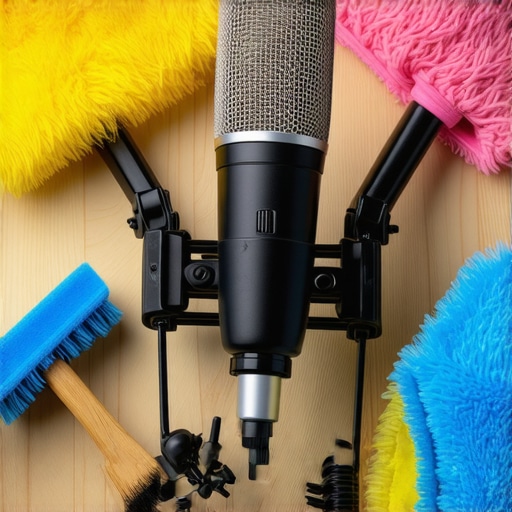
For cleaning, I prefer using a soft, lint-free cloth slightly dampened with isopropyl alcohol to wipe down microphone bodies. Avoid harsh chemicals, which can damage sensitive components. To clean the grille or windscreen, I gently remove and wash them in warm, soapy water—just make sure they’re completely dry before reattaching. This routine prevents buildup that can muffle sound or introduce noise.
What tools do I recommend for long-term maintenance?
Personally, I rely on a compressed air canister to blow out dust from hard-to-reach areas in the microphone grille. For delicate internal components, an anti-static brush is invaluable. Maintaining a clean workspace reduces the risk of debris accumulating on your gear. Additionally, I keep a set of spare cables and a portable audio interface cleaning kit to ensure consistent performance. As technology advances, I predict that future microphone models will incorporate self-cleaning materials and sensors to alert you when maintenance is needed, making upkeep even easier.
Enhance your setup with routine checks
Beyond cleaning, I schedule regular tests of my microphones—at least once a month—to catch issues early. Using software like dedicated voice recording tools, I monitor frequency response and noise levels. A simple way to check is by recording a quiet sample and inspecting it for hums, hisses, or distortions. Addressing these problems early can save you hours of editing and preserve your recording quality for years to come.
Looking ahead in microphone maintenance
As the industry moves forward, I believe we’ll see more intelligent microphones equipped with diagnostic tools that notify users of needed maintenance through apps or onboard sensors. This trend will make long-term upkeep more proactive, reducing downtime and ensuring your voice always sounds its best. For now, sticking to these proven routines and tools will keep your gear performing optimally for years to come. So, try implementing a scheduled cleaning and inspection routine today—your future self will thank you for the clear, professional recordings.
What I Wish I Knew About Microphone Choices and Setup
- Realizing early that not all microphones are equal was a game-changer—investing in the right type, like a quality USB or shotgun mic, saved me countless hours of editing and frustration.
- My biggest lightbulb moment was understanding environmental factors—placement and room acoustics matter just as much as the mic itself. Proper positioning transformed my recordings overnight.
- Focusing on features that match my voice and environment, rather than chasing bells and whistles, helped me achieve professional results without overspending.
- Discovering that regular maintenance and proper setup extend my gear’s lifespan and preserve audio quality has made a huge difference in my workflow.
- Learning from expert guides and trusted sources—like the comprehensive reviews and tips on best USB microphones for creators in 2025—has kept me ahead in the game.
Essential Gear and Resources That Changed My Perspective
- Microphone shock mounts and pop filters: Critical for reducing handling noise and plosives, these accessories are worth every penny.
- Compressed air and cleaning kits: Regular cleaning prevents dust buildup, ensuring consistent sound quality over time.
- Dedicated voice recording software: Tools like Audacity or Adobe Audition help me fine-tune my audio with precision.
- Trusted review sites and expert blogs: For in-depth comparisons and latest trends, I rely on these guides to make informed decisions.
Push Your Boundaries and Make Your Voice Stand Out
Remember, mastering voice clarity is an ongoing journey, but with the right tools, setup, and mindset, you can elevate your content to professional heights. Don’t wait for perfect conditions—start implementing these tips today and watch your recordings improve dramatically. Your audience will thank you for it. Ready to take your voice to the next level? Share your experiences or questions below—I love hearing from fellow creators looking to improve their sound in 2025!
4 responses to “Best USB Microphones for Creators in 2025: Voice Clarity & Podcast Tips”
About Me

Chesung Subba
Author/Writer
Hello, I'm Chesung Subba, a passionate writer who loves sharing ideas, stories, and experiences to inspire, inform, and connect with readers through meaningful content.
Follow Me
Connect with me and be part of my social media community.
Leave a Reply