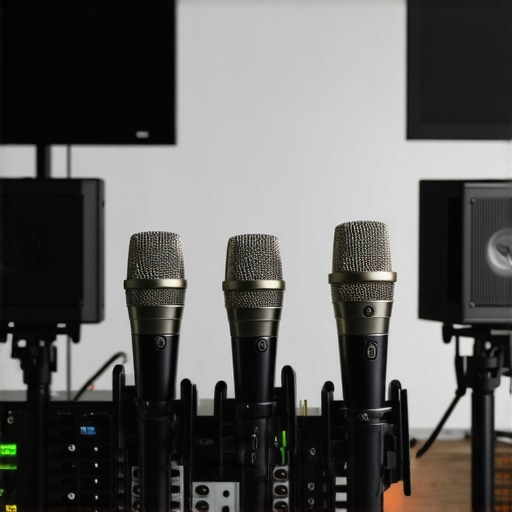
Best USB, XLR & Shotgun Microphones for Creators in 2025: Ultimate Guide

Ever been in the middle of a recording or a live stream, only to realize your audio sounds tinny, muffled, or just plain off? I’ve been there, desperately trying to fix my sound with makeshift solutions, only to discover that my microphone choice was the real culprit. That lightbulb moment hit me hard—quality audio isn’t just a luxury; it’s a necessity for anyone serious about creating content in 2025. If your voice isn’t crystal clear, your message gets lost, and so does your audience’s engagement. Trust me, I’ve made the mistake of choosing the wrong mic early on, and it’s a mistake I don’t want you to repeat.
Why Microphone Quality Matters More Than Ever
In 2025, the content landscape is more competitive than ever. Viewers and listeners expect professional-grade sound, and social algorithms favor creators who deliver top-notch quality. A poor microphone can ruin your credibility faster than a bad video edit. Plus, with advancements in technology, microphones are more accessible and versatile, making it easier to find the perfect fit for your setup. Whether you’re recording podcasts, streaming games, or producing voiceovers, your microphone choice directly impacts your voice clarity and overall production value.
Are Microphones Really Worth the Investment?
Absolutely. I used to think a decent headset mic was enough—until I realized how much it limited my sound quality. Switching to dedicated microphones, like a shotgun or XLR setup, transformed my recordings overnight. But here’s the catch: not all mics are created equal. Some brands hype up features that don’t matter, while others overlook the nuances that make a real difference. Early on, I bought a popular USB mic without doing enough research, and it turned out to be a total mismatch for my voice. That mistake taught me to dig deeper, to look at real reviews and expert opinions. You can check out some top picks for 2025 [here](https://mics.creatorrigreviews.com/best-usb-shotgun-mics-for-creators-top-picks-for-voice-recording-2025).
As we dive into the best options available, I’ll help you cut through the noise and find a mic that actually suits your needs. From simple USB shotgun microphones to professional XLR setups, I’ll cover the essentials so you can make a confident decision and elevate your content game.
Get Ready to Sound Better Than Ever
So, if you’ve faced the frustration of unclear audio or just felt overwhelmed by the endless choices, you’re not alone. Together, we’ll navigate the ins and outs of microphone selection in 2025, ensuring your voice reaches your audience loud and clear. Ready to find your perfect mic? Let’s go!
Choose Your Microphone Type Based on Your Content
Start by identifying what suits your recording environment and style. If you record in a quiet space and need portability, a USB shotgun microphone offers simplicity and quality. For studio setups or professional podcasts, an XLR microphone provides greater flexibility and clarity. Evaluate your needs and environment—this decision is crucial and will influence the rest of your setup.
Invest in Quality and Compatibility
Choosing a mic isn’t just about brand or price; it’s about compatibility and durability. For instance, if you opt for a USB shotgun mic, ensure it’s compatible with your PC or Mac and offers good noise rejection. When going for XLR, invest in a quality audio interface, which acts as the bridge between your mic and your computer. I once paired a cheap XLR with a poor interface, resulting in muffled sound. After switching to a reputable interface, my voice clarity skyrocketed—check out this guide for detailed setup tips.
Understand the Technical Nuances
Microphones have different polar patterns—cardioid, supercardioid, shotgun, etc. Think of polar patterns like the focus of a flashlight; some mic types focus tightly on your voice (shotgun), while others pick up more ambient sound. For example, a shotgun mic with a supercardioid pattern like top picks will reject background noise better, making your voice stand out even in noisy environments. I once used a hypercardioid mic in a busy room, and the audio was muddy until I switched to a shotgun mic with a tighter pattern.
Position Your Microphone Correctly
Placement is everything. For shotgun microphones, aim the mic directly at your mouth, about 6-12 inches away, like pointing a flashlight at your face. Slight adjustments can drastically improve clarity. I once recorded an entire podcast with the mic slightly off-angle, resulting in muffled sound. When I repositioned it directly in front of me, the difference was night and day. See this resource for positioning tips.
Test Before Committing
Always record short clips to evaluate sound quality before making a final decision. Use your chosen setup for a few days, listen critically, and adjust placement or settings. I initially bought a popular mic without testing, only to find it didn’t suit my voice. Testing helped me realize I needed a different polar pattern or a preamp boost—saving me from costly returns and frustrations.
Optimize Your Environment
Finally, control your environment as much as possible. Use soundproofing, diffusers, or even blankets to reduce echo and background noise. A good microphone can’t fix a poor environment, but it can make the most of what you have. I enhanced my recordings by adding foam panels, transforming a noisy room into a studio-quality space, which you can see in this article.
Many content creators fall into misconceptions about microphones that can seriously hinder their audio quality. Let’s dig deeper into some of the most pervasive myths and misunderstandings that often lead to costly mistakes. Understanding these nuances can help you avoid common pitfalls and get the most out of your setup.
Is Expensive Always Better for Microphones?
Contrary to popular belief, spending more money doesn’t automatically guarantee superior sound. While high-end microphones often offer better build quality and nuanced audio capture, many mid-range mics deliver excellent results for creators on a budget. For example, some USB shotgun microphones under $200 can outperform pricier models in real-world voice clarity. The key is matching the mic to your environment and voice, not just chasing the highest price tag.
Experts like Ethan Winer emphasize that proper placement and environment matter more than the mic’s cost. As he states in his audio engineering insights, “A well-positioned microphone, paired with a treated room, can outperform a costly mic in a noisy environment.” So, focus on your environment and positioning—these often outweigh the benefits of expensive gear.
Beware of the ‘One-Size-Fits-All’ Mic Choice
Many beginners assume that a single microphone type suits all purposes. But this is a trap. For instance, a shotgun mic excels at rejecting background noise in noisy environments, but it might be overkill or impractical for simple voiceovers in a quiet room. Meanwhile, a cardioid condenser is perfect for studio setups but performs poorly in noisy or echo-prone spaces.
Choosing the wrong type can lead to frustration and subpar audio. The nuance lies in understanding the polar pattern’s focus—whether you need a tight pickup or broader ambiance. For advanced creators, experimenting with different polar patterns can dramatically improve voice clarity and naturalness. Check out top picks for XLR mics and see what suits your needs best.
Microphone Placement Is Less Critical Than You Think
This is a common myth. Many believe that just plugging in a mic is enough, but placement truly makes or breaks your sound. A mic aimed at your mouth from the right distance captures your voice clearly and minimizes ambient noise. For example, positioning a shotgun mic directly in front of you, about 6-12 inches away, with proper angling, can dramatically improve clarity—something I learned the hard way after recording an entire podcast with poor placement.
Advanced creators pay close attention to this detail, fine-tuning placement and angle while testing short clips. Remember, a mic isn’t a set-it-and-forget-it device; it requires thoughtful positioning to realize its full potential. For detailed tips, see this guide.
Have you ever fallen into this trap? Let me know in the comments!
Keeping your microphone setup reliable over time requires more than just initial investment; it involves regular maintenance, choosing the right tools, and understanding how to prevent issues before they arise. As creators, we depend on our gear to deliver consistent quality, and neglecting upkeep can lead to degraded sound, unexpected failures, or costly replacements. In 2025, leveraging advanced tools and adopting a disciplined maintenance routine is essential for sustained success.
How do I maintain my microphone setup over time
First, regularly inspect your gear for physical damage or dust accumulation. Dust and debris can settle into ports or grille openings, impacting sound quality. Use a soft, dry cloth to gently clean the exterior and a small brush or compressed air to clear out vents and mesh covers. For example, if you’re using a shotgun microphone, make sure the windscreen and grille are free of obstructions. This simple step prevents buildup that can cause muffling or distortion.
Next, keep your cables and connections in top shape. Loose or frayed cables are a common cause of intermittent sound issues. I recommend investing in high-quality, durable cables and periodically checking for wear. When I noticed my XLR cable’s connector was slightly loose, I switched to a heavier-duty cable, which immediately improved stability and clarity. Also, ensure your connectors are free of oxidation or corrosion; a quick clean with contact cleaner can restore proper conductivity.
Software updates are often overlooked but crucial. Firmware for audio interfaces or mic preamps can enhance compatibility and fix bugs. Set a reminder to check for updates from your device manufacturer, especially before critical recording sessions. I once experienced a dropout issue that was resolved after updating my audio interface firmware, saving me hours of troubleshooting.
In terms of tools, I highly recommend using a dedicated audio interface with built-in monitoring and gain control. This allows precise adjustments and helps prevent distortion or clipping. For those using USB microphones, ensure your computer’s drivers are current. Additionally, a good pop filter or shock mount can extend your microphone’s lifespan by reducing mechanical stress and protecting against sudden impacts or plosives.
Looking ahead, I predict that AI-powered diagnostic tools will become more prevalent, capable of analyzing your microphone’s performance and suggesting maintenance actions automatically. Such innovations will make long-term upkeep more intuitive and less time-consuming.
Why choose quality tools for long-term reliability
Investing in quality tools like a reputable audio interface or durable cables ensures your setup remains reliable over years. For example, I prefer a well-designed microphone stand that minimizes vibrations and protects the mic from accidental knocks. Proper storage in a case or dedicated space prevents environmental damage like humidity or temperature fluctuations that can harm electronic components.
Don’t forget to periodically test your system with short recordings to catch potential issues early. Listening critically to these clips helps identify subtle changes in sound quality that might indicate a problem. As you build your toolkit, consider adding a portable sound analyzer device, which can give you a detailed view of your microphone’s frequency response and detect anomalies.
By maintaining your gear diligently, using the right tools, and staying informed about emerging technologies, you can ensure your microphone remains a reliable asset for your content creation. Remember, consistent upkeep is the key to professional-quality sound in 2025 and beyond.
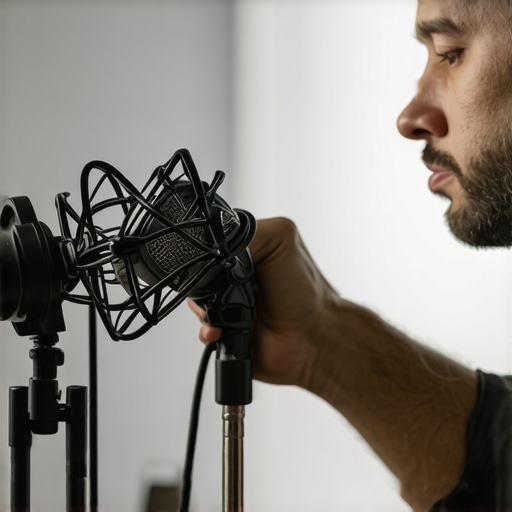
The Hardest Lesson I Learned About Microphone Mastery
One of the biggest surprises I faced was realizing that even the most expensive mic won’t save you from poor placement or an untreated environment. I used to think I just needed a top-tier microphone, but I learned that proper positioning and room acoustics are far more impactful. This was a lightbulb moment that transformed my approach to audio.
3 Myths About Microphones That Held Me Back
First, I believed that more expensive always meant better quality. Turns out, mid-range mics can outperform pricier options if matched correctly to your setup. Second, I thought a single mic type fit all scenarios—wrong! Different environments demand different polar patterns. Lastly, I assumed once I set up my mic, I was done—regular maintenance and testing are crucial for consistent quality.
What Experts Won’t Tell You About Long-Term Microphone Reliability
Many overlook the importance of routine cleaning, cable checks, and firmware updates. Simple steps like inspecting connections and cleaning the grille can prevent unexpected issues. Investing in quality cables and an audio interface also extends your gear’s lifespan and ensures your sound remains clear over time. The future may even bring AI diagnostics that make maintenance even easier.
My Essential Toolkit for Sound Quality in 2025
For reliable, professional sound, I swear by a few tools. A reputable audio interface ensures clean signal conversion. A well-made shock mount protects my mic from vibrations. And a set of high-quality XLR or USB cables prevents signal loss. These investments keep my setup consistent and professional for years.
Your Turn to Try
Improving your voice quality isn’t just about buying the fanciest mic; it’s about understanding your gear, maintaining it, and placing it correctly. Take these lessons to heart, and you’ll notice a real difference in your recordings. Remember, your voice deserves the best sound—so don’t settle for less.
What’s been your biggest challenge with microphone setup or maintenance? Share your experience below—I’d love to hear your story!
4 responses to “Best USB, XLR & Shotgun Microphones for Creators in 2025: Ultimate Guide”
Reading through this comprehensive guide really made me reflect on my own setup. I used to believe that investing in the latest tech was enough to guarantee good audio quality, but I’ve learned that positioning and environment matter just as much. For instance, I recently moved my microphone closer to my mouth and added some acoustic panels, and the difference was night and day. It’s interesting how sometimes, simple tweaks can make a huge impact without breaking the bank. I’ve also struggled with cable noise and intermittent connections—upgrading my cables actually solved a lot of issues. Has anyone here tried AI-driven tools or software updates for mic maintenance? I wonder if those can genuinely predict or prevent problems before they happen. It’s exciting to see technology evolving to support creators even in such niche areas as mic upkeep. Would love to hear your experiences or tips for maintaining consistent audio quality over time—especially now that we’re so reliant on the quality of our gear.
This is such a well-rounded and insightful post! I completely agree that choosing the right microphone is just the first step—proper placement and environment optimization are crucial to get the best sound. I’ve learned the hard way that even the most expensive mic can underperform if it’s not positioned correctly or if the room has echo or background noise. I recently started experimenting with different polar patterns, and my recordings improved dramatically, especially in my noisy home office. Maintaining my gear has also become a regular routine; I clean cables and check firmware updates monthly, which has helped me avoid unexpected issues during important streams or recordings. Regarding AI-driven maintenance tools, I’ve yet to try them, but I’m curious if anyone has experience with automated diagnostics? Do they really help predict and prevent failures, or is manual upkeep still the way to go? Lastly, I’d love to hear how others balance investing in high-end gear versus optimizing their current setup for the best results.
Reading through this post really resonated with me, especially the part about mic placement and environment. I’ve spent a lot of time experimenting with different setups, and I found that even small adjustments, like angling the mic differently or adding some soft furnishings, can have a huge impact on clarity. I used to think that the microphone itself was the most important factor, but I realize now that space and positioning are just as critical. I’ve also started maintaining my gear more regularly—cleaning cables and updating firmware—which has noticeably improved consistency.
Interestingly, I’ve been considering investing in an AI-driven diagnostic tool for my studio. Has anyone here tried such technology? Do you find it helpful in catching issues early or saving time on troubleshooting? I’d love to hear about specific tools or routines you use to keep your microphones performing at their best over time. It’s clear that in 2025, smart maintenance and quality equipment go hand-in-hand for professional results.
This guide really hit home for me because I’ve experienced firsthand how vital proper mic placement and environment are. I used to think high-end equipment alone would solve my audio issues, but I quickly learned that positioning and room acoustics make a world of difference. Recently, I spent time adjusting the angle of my shotgun mic and adding some soft furnishings to minimize echo, and honestly, the clarity of my recordings improved drastically. It’s amazing how small adjustments can have such a big impact, often more so than spending more on gear.
As for maintenance, I’ve started checking all my cables and updating firmware periodically. It sounds simple, but I’ve avoided a lot of headaches by catching connection problems early. I’m curious—have others here integrated AI diagnostic tools or software updates into their routine? Do they really help in catching issues before they affect your recordings? I’d love to hear what tools or routines others find effective for keeping their gear in top shape consistently.


About Me

Chesung Subba
Author/Writer
Hello, I'm Chesung Subba, a passionate writer who loves sharing ideas, stories, and experiences to inspire, inform, and connect with readers through meaningful content.
Follow Me
Connect with me and be part of my social media community.
Leave a Reply