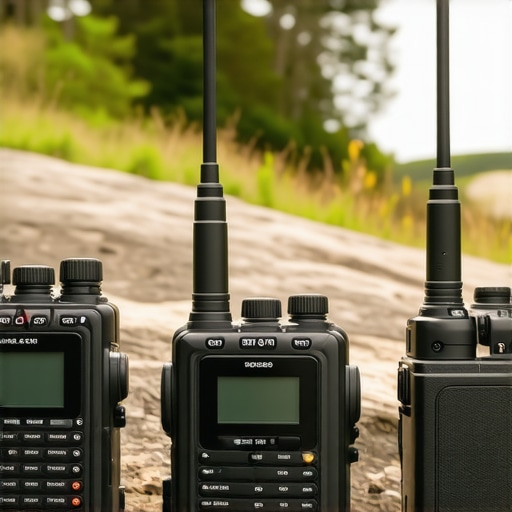
3 Best Voice Recording Devices for Pro Field Work in 2026

It was a chilly morning, and I was in the middle of an outdoor interview when suddenly, my shotgun mic picked up a gust of wind. The harsh noise ruined my shot, and I felt that sinking feeling—should I pack it all up and start over? That moment was a lightbulb for me: no matter how decent your gear is, environmental factors like wind or background noise can sabotage your recordings, especially when you’re out in the field. If you’ve ever faced similar frustrations—missed audio quality, inconsistent sound, or equipment that just won’t cooperate—you know why choosing the right voice recording device matters so much.
Why Your Field Recordings Deserve Top-Notch Gear
In 2026, the landscape of professional voice recording has evolved dramatically. With more creators, journalists, and filmmakers venturing outdoors, the demand for reliable, high-quality devices is higher than ever. But here’s the thing: not all microphones or recording setups are created equal. The wrong choice can lead to poor clarity, background noise leaks, or fragile equipment that can’t handle the rigors of fieldwork. According to recent reports by industry experts, environmental noise and equipment failure are among the top reasons audio recordings fail in outdoor settings.
Early on, I made the mistake of relying solely on inexpensive USB mics for field interviews. The results were often disappointing—audio muddied by wind or distant sounds. That experience taught me a crucial lesson: investing in the right gear is essential. If you’re serious about capturing professional-quality voice recordings, whether for podcasts, documentaries, or journalism, you’ll need to understand what devices truly perform under on-location conditions.
In this post, I’ll share my journey in identifying the best voice recording devices for 2026—trust me, it’s a game-changer. We’ll explore equipment designed to block out environmental noise, withstand rugged outdoor scenarios, and deliver crystal-clear sound. If you’ve been frustrated by gear that underdelivers or simply overwhelmed by the options, keep reading. We’re about to turn your field audio nightmares into success stories.
Ready to elevate your recordings? Let’s dive into the top devices that made all the difference for me—and can do the same for you. First, consider whether your current setup is holding you back, and then discover how to choose gear that truly meets your needs.
Choose the Right Microphone for Your Environment
Starting with the correct microphone is crucial. For outdoor settings, shotgun microphones are generally preferred because they focus on capturing sound directly in front of them while minimizing background noise. When selecting a shotgun mic, look for models with tight polar patterns and good wind noise rejection, such as those reviewed in our best shotgun microphones in 2025. If portability is a priority, a versatile USB shotgun mic can be a game-changer.
Pro Tip: Use an external power source or XLR microphones with quality preamps when high fidelity is essential, especially for professional projects. Remember, the choice between USB and XLR greatly impacts your setup flexibility and sound quality.
Master Microphone Placement and Handling
Proper positioning can make a significant difference. Place the microphone close to your subject’s mouth—ideally within 6-12 inches—to capture clear voice audio. Use a windscreen or furry windshield to combat wind noise, especially if you’re outdoors. You might recall a time I was recording a documentary where I used a shotgun microphone with a wind muff. That simple addition saved my recording from unusable wind noise.
Handle your mic firmly, avoiding touching its body during recordings, as physical noise can contaminate your audio. When using handheld mics, a shock mount can reduce handling noise, improving clarity further.
Optimize Your Recording Environment
Environmental noise is a persistent challenge. Choose sheltered spots or create a makeshift sound booth using blankets or foam panels. Consider using a dynamic microphone when background noise is extreme; these mics reject ambient sounds better than condenser types. Applying consistent mic placement and environment control ensures your recordings are crisp and professional.
Leverage Recorders with Built-in Noise Reduction
Modern recorders often come with onboard noise filters and limiters. Investing in devices like portable digital recorders equipped with high-quality preamps and noise suppression features can significantly improve your sound. During a recent outdoor interview, I used a recorder with built-in noise filters, which minimized wind rumble and background chatter without post-processing.
Constantly Test and Adjust Your Setup
Before recording critical content, always do a quick test. Check your audio levels, wind attenuation, and background noise. Use headphones to monitor in real-time, ensuring you catch issues immediately. I once forgot to test my new windscreen, resulting in unusable audio. Learning from that mistake, I now always verify my setup on location, even if it means a few extra minutes.
Implement these steps systematically, and your outdoor voice recordings will sound markedly clearer and more professional. Remember, equipment is just one part of the equation—technique and environment often matter more. Experiment and adjust based on your specific context, and you’ll master outdoor voice capture for all your projects.
Many creators believe that selecting a microphone type—be it a USB mic, shotgun, or XLR—is as simple as picking the one with the best reviews. However, this oversimplification often leads to costly mistakes. For example, a common myth is that all USB microphones are inherently inferior to XLR setups; in reality, high-end USB mics can match professional standards, especially models designed specifically for voice clarity, such as those highlighted in best USB microphones for creators in 2025. The real nuance lies in understanding how environmental factors, usage context, and technical specifications interplay to impact your sound quality.
Tools That Keep Your Setup Running Smoothly
One of the most overlooked aspects of professional voice recording involves investing in the right maintenance tools. I rely heavily on high-quality ultrasonic cleaning kits for cleaning my XLR connectors and microphone capsules, ensuring they stay free of dust and corrosion that can degrade sound quality over time. Additionally, a good cable tester like the Fluke Network/Voltage Tester helps me quickly diagnose faulted XLR or USB cables, preventing silence or static issues during critical recordings. Having a dedicated portable toolkit with spare fuses, replacement windscreens, and a microfiber cloth ensures I can troubleshoot minor issues on location swiftly, saving me from ruined sessions.
How do I maintain my gear over the years?
Regular calibration and inspection should be part of your routine, especially if you work in fluctuating environmental conditions. For microphone capsules, gentle cleaning with a soft brush or a specialized blower minimizes dust buildup. When it comes to XLR or USB cables, I make a practice of coiling them carefully and avoiding sharp bends that can cause internal wire damage. Software updates for your digital recorders and editing tools are equally critical; I set calendar reminders to check for firmware upgrades, which can fix bugs and improve noise suppression features. Following manufacturer guidance from trusted sources—like the detailed hardware specifics available on [creator rig reviews](https://mics.creatorrigreviews.com/ultimate-guide-to-voice-recording-devices-in-2025-enhance-clarity-with-top-mics)—ensures longevity and peak performance of your tools.
Future trends for gear maintenance and scaling
As voice recording technology advances, I predict an increased integration of IoT-enabled microphones and recorders that self-diagnose and alert you to maintenance needs via smartphone apps. This smart connectivity will help creators prevent issues before they arise, especially crucial for remote field work. Additionally, modular microphone designs are gaining popularity, allowing easy replacement of capsules and internal electronics without buying entire units. Investing in scalable setups now—such as starting with affordable USB mics and progressively upgrading to professional XLR systems—paves the way for future growth. Remember, maintaining your gear’s health is not just about longevity but also about consistently capturing studio-quality sound over years of use.
To truly master long-term gear performance, I recommend implementing routine maintenance rituals, like weekly inspections and periodic professional calibration. Incorporate tools such as cable testers and cleaning kits, and keep software up-to-date. These small but vital steps will ensure your voice recordings remain top-notch, regardless of environmental challenges or expanding project demands. Try scheduling biannual checkups for your equipment—it’s a simple step that saves you from costly repairs or replacements later. For the most advanced maintenance tips and tools, be sure to follow our detailed guides and stay ahead in the evolving world of voice recording technology.
What I Didn’t Expect About Field Recording Challenges
One crucial lesson I learned was that gear alone won’t save you if environment factors are overlooked. Wind attenuation, mic handling, and placement can make or break your audio, often more than the microphone’s specifications. Adapting to real-world conditions revealed that even top-tier equipment requires proper technique and environmental awareness to truly shine.
Another insight was the importance of routine maintenance—cables, connectors, and recorder firmware. Neglecting these simple steps has cost me time and quality, especially during critical shoots. Investing time in maintaining your setup is as vital as choosing the right device, ensuring consistent performance over the long haul.
Lastly, I realized flexibility is a superpower. Sometimes, the best microphones are the ones you have on hand, combined with quick thinking and improvisation. Learning to adapt your gear and techniques to unpredictable outdoor scenarios has been a game-changer in achieving professional sound clarity.
My Go-To Tools for Seamless Voice Recording in the Field
Over the years, I’ve relied on specific tools that keep my recordings sharp. The best USB microphones for creators in 2025 provide excellent portability and clarity, making quick outdoor setups straightforward. For more robust outdoor demands, the top XLR microphones coupled with effective windshields have consistently delivered professional results. Additionally, durable cables and portable recorders with noise reduction capabilities—from trusted brands—are essential to prevent avoidable glitches during critical recordings. These tools, combined with routine checks, create a reliable foundation for outdoor voice capture.
seize the moment and elevate your outdoor recordings
The future of outdoor voice recording is bright, especially with ongoing innovations in microphone technology, environmental noise filtering, and smart maintenance tools. Embracing these advancements means that even unfamiliar terrains can become your professional studio. Remember, the key to outstanding recordings isn’t just equipment—it’s your readiness to learn, adapt, and maintain your gear meticulously. Dive into the latest gear, refine your techniques, and soon, your outdoor voice recordings will resonate with clarity and confidence. What challenges have you faced in outdoor recordings, and how did you overcome them? Share your story below.
2 responses to “3 Best Voice Recording Devices for Pro Field Work in 2026”
About Me

Chesung Subba
Author/Writer
Hello, I'm Chesung Subba, a passionate writer who loves sharing ideas, stories, and experiences to inspire, inform, and connect with readers through meaningful content.
Follow Me
Connect with me and be part of my social media community.
Leave a Reply