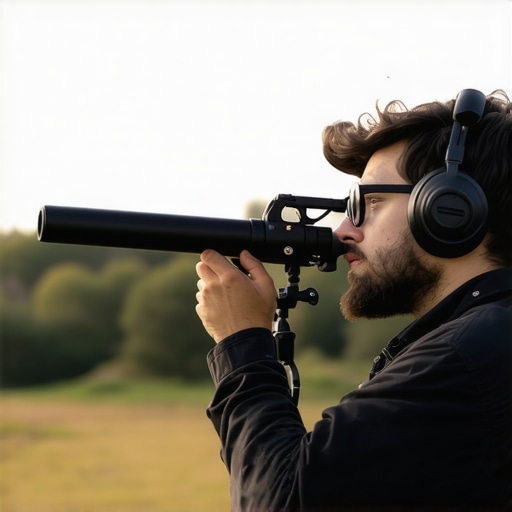
Best Shotgun Microphones for Creators: Enhance Voice Recording in 2025

I remember the moment I realized my microphone was sabotaging my recordings. I was just about to go live on my latest podcast episode, nerves kicking in, when I listened back to the final cut. To my dismay, my voice sounded distant, muffled, and underwhelming. It was a wake-up call that I needed better equipment—something that could truly capture my voice with clarity and presence. That discovery changed everything, and I’ve since become obsessed with finding the perfect shotgun microphone for creators in 2025.
How to Get Your Voice to Shine Through the Noise
In today’s crowded content landscape, quality sound can set you apart. But choosing the right microphone isn’t just about flashy features or brand names. It’s about understanding how to capture your voice authentically, without background noise or unwanted echo interfering. I’ve learned firsthand that investing in a high-quality shotgun microphone can elevate your recordings—whether you’re making videos, podcasts, or streaming live. The right mic can transform a mediocre voice into a compelling listening experience, making your audience feel like you’re right there in the room with them.
Is All the Hype About Shotgun Microphones Actually Worth It?
Early on, I made a costly mistake: I relied on cheap USB mics that promised convenience but delivered subpar sound quality. Not only did I waste time editing out background noise, but I also lost potential listeners who couldn’t tolerate poor audio. The truth is, not all shotgun microphones are created equal, and some models are a game-changer in voice clarity. According to recent reviews, top picks for creators in 2025 can significantly improve your audio, making your content sound professional and engaging. Croded by so many options, it’s natural to feel overwhelmed—so, have you faced the frustration of trying to record clear audio without breaking the bank? If so, you’re not alone. I’ve been there myself, and learning from mistakes is how I found the best solutions. Before we dive into specific models and actionable tips, it’s crucial to understand what sets these microphones apart and why they matter for your content creation journey.
Position Your Microphone for Clear Voice Capture
Start by mounting your shotgun mic on a boom arm or stable stand, positioning it just above or slightly in front of your mouth, aimed directly toward your lips. Use a shock mount to minimize handling noise, and ensure there’s no obstruction between you and the mic. This setup isolates your voice from background noise, much like focusing a camera lens on your subject. I once spent hours editing out room echo because I didn’t position my mic correctly; now, I always set it up to optimize clarity.
Choose the Right Mounting and Shielding
Use a windscreen or foam cover to reduce plosive sounds—those harsh ‘p’ and ‘b’ sounds that can cause distortion. If recording in a noisy environment, consider adding acoustic panels or a reflection filter behind the mic to prevent unwanted echoes. A well-placed shield acts like noise-canceling headphones, filtering out what’s unnecessary. I remember recording my first podcast without any shielding—my voice was muffled and surrounded by room reverberation; now, with proper shielding, the difference is night and day.
Set Up Your Recording Environment Effectively
Choose a quiet space, ideally with soft furnishings that absorb sound, much like a recording studio in your home. Turn off fans, air conditioners, or any appliances that create background hum. Use a directional microphone like a shotgun to focus on your voice, ignoring peripheral noises. I once neglected this step and recorded outdoors—wind and traffic contaminated my audio. After relocating to a quiet corner, my recordings became noticeably crisper.
Leverage Proper Signal Connections and Settings
Connect your shotgun mic using the appropriate interface—XLR for professional setups or USB for plug-and-play simplicity. Adjust input levels to prevent clipping or distortion—start with low gain and gradually increase while monitoring your voice. Use headphones to listen in real-time, catching issues immediately. I experimented with mismatched gain settings early on; learning to balance input levels made a huge difference, turning rough recordings into broadcast-quality audio. For in-depth technical guidance, check out the Ultimate Guide to Voice Recording with Top USB XLR Shotgun Microphones in 2025.
Optimize Post-Recording Editing
Once you’ve captured your voice cleanly, employ noise reduction tools in your editing software to eliminate residual background sounds. Equalize your audio by boosting clarity and reducing muddiness—think of it as sculpting your sound for maximum impact. Avoid over-processing, which can make your voice sound unnatural. Always listen with good headphones and compare before and after edits. I learned this the hard way, over-processed recordings sounding sterile, until I adjusted my approach. For advanced tips, see the Top Voice Recording Microphone Gear in 2025.While many beginners believe that selecting the most expensive microphone guarantees perfect sound, the reality is much more nuanced. One widespread misconception is that a shotgun microphone alone can solve all recording issues; in truth, optimal placement, environment, and proper gain settings are equally critical. For example, even high-end XLR microphones can produce subpar results if positioned incorrectly or if ambient noise isn’t adequately managed. It’s also a common trap to assume that USB microphones are inherently inferior to XLR setups; however, recent advancements have made some USB models, like those highlighted in [top picks for 2025](https://mics.creatorrigreviews.com/top-voice-recording-podcast-microphones-shotgun-usb-xlr-picks-for-creators-in-2025), capable of delivering broadcast-quality audio when used correctly.
A frequent myth among podcasters is that complex, professional-grade setups are always necessary for good results. In reality, understanding the nuances—such as the importance of acoustic treatment and proper mic polar patterns—can significantly elevate even a modest setup. For instance, employing dynamic mics with tighter pickup patterns in untreated rooms often yields clearer voices than omnidirectional mics in acoustically flawed environments.
One advanced mistake I’ve seen many make is neglecting to learn how to properly set input levels. Overly high gain can lead to clipping and distortion, while too low levels make voices sound thin or muffled. The key is to monitor your audio in real-time using headphones and adjust gain accordingly, a step that is often overlooked but crucial. For detailed guidance on this, check out the ultimate guide to voice recording in 2025.
So, what’s the hidden nuance that most overlook? It’s that technological choice is only part of the story; mastering environment setup, mic positioning, and signal optimization can make a bigger difference than the brand or model. Remember, the goal isn’t just to own the best gear, but to know how to use it effectively. Have you ever fallen into this trap? Let me know in the comments. For further insights, explore how [proper microphone placement](https://mics.creatorrigreviews.com/top-podcasting-voice-recording-microphones-xlr-usb-shotgun-tips-for-creators-2025) can transform your audio quality and avoid common pitfalls.Maintaining your microphone setup over time is essential to ensure consistent, high-quality recordings. Regularly inspecting your gear for dust, moisture, and physical damage can prevent performance dips. I personally recommend using compressed air to gently clean the grille and connectors, especially if you record frequently. Investing in a good quality shock mount and protective case also helps shield your hardware from accidental knocks and environmental stress. As technology progresses, newer models and accessories will likely incorporate better durability features, but routine checks remain vital. For instance, XLR microphones with internal electronics can drift out of calibration if exposed to humidity, so periodically testing their output ensures you’re not unknowingly compromising your sound. An effective way to sustain optimal performance is to develop a maintenance schedule, including cleaning, realignment, and firmware updates where applicable. Checking connections and cable integrity regularly can prevent signal loss or interference during critical recordings. Using tools like a multimeter or specialized audio interface monitors can help identify faulty wiring or connection issues early on. Going forward, I predict that smart microphone systems with built-in diagnostics may become mainstream, offering real-time health monitoring. Until then, manual checks are your best line of defense. For detailed guidance on equipment upkeep and troubleshooting, review the Ultimate Guide to Voice Recording with Top USB XLR Shotgun Microphones in 2025. To maximize your long-term results, try implementing a routine inspection and cleaning process today, ensuring your gear remains your trusty companion in producing crystal-clear voice content.
Over time, I’ve discovered that the journey to impeccable voice recordings is anything but straightforward. One of the most profound lessons I’ve learned is that gear is only part of the equation—environment, technique, and mindset play equally crucial roles. For instance, investing in a top-tier shotgun microphone won’t deliver professional results if you’re recording in a noisy room or without proper positioning. The real magic happens when you combine high-quality equipment with thoughtful setup and consistent practice.
Having experimented with numerous setups, I’ve realized that the key to elevating my recordings was embracing a mindset of continuous learning. Adjusting gain levels, experimenting with mic placement, and even understanding room acoustics transformed my audio from acceptable to engaging. This evolution taught me that understanding the nuanced interplay between technology and technique unlocks your voice’s full potential.
Another insight was recognizing that sometimes, simplicity beats complexity. Using the right microphone with a clean signal path, paired with minimal post-processing, can often produce clearer results than complicated setups laced with effects. It’s tempting to chase after the latest gear, but mastering the fundamentals—like environment control and proper mic handling—has been a game-changer. For a comprehensive approach, I recommend exploring [the ultimate guide to voice recording with top USB XLR shotgun microphones in 2025](https://mics.creatorrigreviews.com/ultimate-guide-to-voice-recording-with-top-usb-xlr-shotgun-microphones-2025), which consolidates these lessons beautifully.
Ultimately, the most valuable lesson I’ve learned is that authenticity resonates. Your unique voice, captured with sincerity and clarity, connects with your audience far more than perfection in equipment alone. The journey to stellar voice recordings is ongoing, but embracing a mindset of experimentation, patience, and genuine expression makes all the difference. Remember, the best microphone in the world won’t substitute for a confident, authentic delivery—so keep practicing, tweaking, and most importantly, trusting your voice.
Lessons Hidden in My Voice Recording Evolution
- Don’t Overlook Setup Basics: Even the most expensive microphone can’t fix poor positioning or ambient noise. Spotting this early saved me countless hours of editing.
- Focus on Environment: I underestimated room acoustics until I tried treating my space. Soft furnishings and reflection filters made my voice so much clearer, proving that the environment is your best friend.
- Master Your Signal Levels: Adjusting gain using headphones to monitor my voice prevented distortion and kept my recordings professional. This simple step transformed my quality.
- Consistency Matters: Regular maintenance and reviewing settings kept my equipment performing at its best—like routine check-ups for a healthy voice.
- Listen to Your Voice: Analyzing my recordings taught me what your audience hears—authenticity and clarity win over bells and whistles every time.
Enhance Your Setup with Trusted Resources
Building on these lessons, I recommend exploring resources that have been instrumental in my journey. The ultimate guide to USB shotgun microphones in 2025 offers in-depth insights into selecting the right gear. Pair that with the top picks for voice and podcast microphones to make informed decisions. For tip-top environmental control, the podcasting setup tips are invaluable. These resources have saved me time, money, and frustration, helping me produce consistently high-quality content.
Your Voice Deserves to Be Heard
The path to outstanding voice recordings is uniquely yours. It involves experimenting, learning, and believing in your authentic sound. As technology advances, so does our capacity to tell stories and share ideas powerfully. Don’t let fear or uncertainty hold you back—embrace the process, and let your voice find its true resonance. Now’s the perfect moment to start refining your setup and capturing your voice with confidence. Remember, every great creator was once a beginner—your journey to mastering voice recording begins today.
What’s the biggest challenge you face when setting up your microphone environment? Share your experiences below—I’d love to hear how you’re making progress!
About Me

Chesung Subba
Author/Writer
Hello, I'm Chesung Subba, a passionate writer who loves sharing ideas, stories, and experiences to inspire, inform, and connect with readers through meaningful content.
Follow Me
Connect with me and be part of my social media community.
Leave a Reply