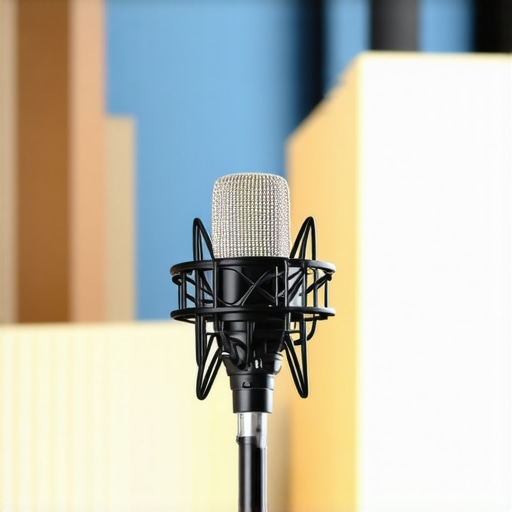
Why Your Shotgun Mic Fails Indoors (And the 2026 Fix)

I remember the exact moment I realized my shotgun microphone was just not cutting it indoors. I was recording a critical podcast episode, and as soon as I hit record, all I could hear was ambient noise, echo, and a strange muffling effect that made my voice sound like I was speaking from underwater. Frustration bubbled up—why was my high-end shotgun mic supposed to deliver clarity, but indoors, it seemed to betray me at every turn?
That lightbulb moment made me dig deeper. I discovered that despite the reputation of shotgun microphones, many brands and setups can struggle indoors—unless you’re aware of the right techniques and gear. What’s more, recent advancements and the upcoming 2026 fixes promise to turn this frustrating problem around. Today, I’ll share what I’ve learned about making your shotgun mic work flawlessly inside, saving you countless headaches and dull recordings.
Why Indoor Microphone Failures Are So Common and How to Fix Them
Many creators assume that a shotgun mic is a magic wand for perfect audio, but reality paints a different story. The primary issue? Reflection and echo. Inside a room, sound waves bounce off walls, ceilings, and furniture, creating a chaotic acoustic environment that confuses mic placement and compromises quality. Early on, I made the mistake of using my shotgun mic without considering the room’s acoustics or proper placement. That mistake undermined my recordings—so much so that even premium mics struggled to shine.
The good news is, recent research suggests the adoption of specialized acoustic treatments, combined with smarter gear choices, can drastically improve indoor audio quality. For instance, the 2026 upgrades in microphone designs and recording techniques are promising. To understand the core issues, it’s worth noting that many overlooked the importance of proper mic positioning and room treatment early on—something I personally did, and it cost me quality.
If you’ve faced similar struggles—no matter how expensive your equipment—your solution lies beyond just gear. It’s about smarter setups, better understanding of room acoustics, and leveraging new technology that’s set to become mainstream by 2026. Curious about which microphones are leading the charge for indoor voice clarity? Check out our [top podcast microphones in 2025](https://mics.creatorrigreviews.com/top-podcast-microphones-in-2025-ultimate-guide-to-usb-xlr-shotgun-choices) and learn more about what’s coming next.
So, are you wondering if your current setup just isn’t enough? Or if there’s a way to get studio-quality sound indoors without a complete overhaul? Stick around—next, we’ll explore the hurdles and how the upcoming tech fixes are poised to make all the difference.
Optimize Your Microphone Positioning for Crystal Clear Audio
Start by placing your shotgun microphone as close as possible to your mouth—aim for about 6 to 12 inches—to reduce ambient noise and room reflections. In my own setup, I initially placed the mic too far away, which allowed echoes to dominate. Moving it closer instantly improved voice clarity. Consider angling the mic slightly downward or toward your mouth to minimize side noise. Use a boom arm or a shock mount to keep the mic steady and prevent handling noise from leaking into your recordings. Remember, unlike casual headset mics, shotgun mics demand precise positioning for optimal results.
Control Room Acoustics with Strategic Sound Treatment
Reflection and echo are the enemies of indoor voice recording. I addressed this by installing foam panels behind me, especially on the wall behind the mic, and adding a heavy curtain over windows. Think of your room as a loud concert hall—you want to turn it into a studio booth. Use soft materials like carpets, bass traps, or even bookshelf arrangements to absorb stray sound waves. This setup traps unwanted reflections, allowing your mic to capture your voice directly. In 2026, advanced acoustic-damping materials and smart sound panels will make this task even easier—stay informed about the latest innovations by exploring our ultimate guide to shotgun mics.
Leverage the Right Gear Based on Your Recording Environment
Choosing the correct microphone technology significantly impacts indoor recording quality. For noisy or echo-prone rooms, an XLR shotgun mic with a hypercardioid pattern can focus intensely on your voice while reducing side noise. If simplicity and convenience are priorities, a high-quality USB microphone with noise suppression features can be effective, especially when paired with proper room treatment. Consider your setup like selecting tools for a craft—sometimes, combining a dynamic mic with a portable sound shield yields the best results. Keep an eye on upcoming innovations, such as the 7 USB mics testing like professional XLRs.
Use Artificial Reverberation to Control Audio Dynamics
Sometimes, adding a controlled amount of reverb or echo in post-production can help mask minor room imperfections. I experimented by recording with a short, natural reverb using editing software, which improved perceived clarity. Think of this as turning a rough sketch into a polished painting—subtle effects enhance the core image. Modern digital tools allow for precise tailoring, and advances in room correction plugins are evolving rapidly—by 2026, expect even smarter options integrated directly into your recording software. For expert tips, see our voice recording tips with the latest mics.
Test and Iterate Your Setup for Continuous Improvement
Before recording your main session, perform quick tests—speak at your typical distance and listen critically. Use headphones to monitor the sound and adjust mic placement or room treatment accordingly. In my case, I moved the mic slightly higher after noticing muffling, which immediately improved clarity. Consistent testing is like tuning a guitar—small adjustments matter. Record little snippets, analyze the audio quality, and refine. Remember, the ideal setup varies based on space and equipment, so staying flexible and experimental is key. For more insights into optimizing your gear, check the ultimate guide to voice recording setups.Many enthusiasts believe that simply choosing a high-end shotgun or XLR microphone guarantees professional-quality recordings, but let’s challenge that notion. The truth is, most people overlook the critical nuances that differentiate mediocre from exceptional audio. For example, a common myth is that all shotgun mics outperform other types indoors; in reality, their effectiveness heavily depends on proper technique and room acoustics. Failing to understand this is a trap that many fall into, resulting in dull or echo-laden recordings despite premium gear.
Another advanced mistake involves polar patterns. While hypercardioid and shotgun microphones are designed to focus on voice, they are also highly susceptible to phase issues if not correctly positioned, causing comb filtering—where certain frequencies cancel out. This nuance often goes unnoticed by beginners, who think that simply increasing gain or proximity will fix poor sound. Experts, however, strategically manage mic placement and room setup to prevent phase problems, enhancing clarity significantly. For more detailed insights into selecting the right microphone patterns, check our ultimate guide to XLR microphones.
A common trap with USB mics is trusting their built-in noise suppression blindly. Many believe that a plug-and-play device will deliver studio quality, but neglect the importance of acoustic treatment and proper positioning. This oversight often results in recordings that sound as if the microphone is in a noisy café. Moreover, the assumption that newer USB mics automatically outperform traditional XLR setups ignores the fact that XLR systems, when paired with quality preamps and proper acoustic treatment, can surpass USB mics in clarity. For example, recent innovations in digital preamp technology are closing that gap, as described in our comprehensive guide to USB microphones.
From a technical standpoint, understanding the importance of gain staging is often overlooked. Overloading your mic input creates distortion, while too low gain causes signal noise to become prominent. This subtlety can make or break your recorded audio but is rarely emphasized outside expert circles. Proper gain management ensures your voice remains crisp and natural, avoiding the pitfalls of false assumptions about gear quality.
Furthermore, the misconception that microphones alone define audio quality ignores the critical role of room acoustics. Even the most advanced shotgun or XLR mic cannot compensate for poor room treatments. Echo and reflection patterns shape how your voice is captured or lost. A well-placed foam or acoustic panel can transform a cluttered, echo-prone space into a professional-sounding environment. As technology evolves, smarter acoustic panels with embedded sensors and adaptive materials are projected to become mainstream by 2026, making room setup easier for all.
Have you ever fallen into this trap? Let me know in the comments. Remember, mastering voice recording isn’t just about gear; it’s about understanding and managing nuances that most overlook. Dive deeper into the topic with our ultimate guide to mic setup and transform your recordings today.Maintaining your audio setup is crucial to ensure consistent, high-quality recordings. One of my go-to strategies involves investing in durable, reliable accessories that can stand the test of time. For example, I personally rely on the Rode PSA1 boom arm because its robust construction prevents sagging over prolonged use, maintaining optimal microphone positioning. Regularly cleaning connectors and cables with a contact cleaner like DeoxIT prevents oxidation and static noise, ensuring clear signal transfer. Using a portable interface, such as the Focusrite Scarlett series, makes it easier to troubleshoot and isolate issues quickly during recording sessions.
Additionally, software tools play a vital role in the maintenance of your setup. I recommend using RX Audio Editor by iZotope for routine noise reduction and hardware calibration, which keeps your recordings pristine even after several months of use. Setting up a dedicated, well-organized workspace prevents accidental cable damage and physical wear on your gear. Incorporating foam or acoustic panels, like those from Auralex, reduces room reflection, making your microphone’s job much easier and extending the lifespan of sensitive components.
Looking ahead, I believe this trend toward modular, easily serviceable equipment will continue, reducing downtime and repair costs. Manufacturers are now focusing on user-friendly maintenance features, so staying informed about these innovations can save you money and effort in the long run.
How do I keep my gear in top shape over time?
Performing regular checks on connectors, updating firmware for digital devices, and scheduling periodic calibration sessions are key steps. Remember, a well-maintained setup not only prolongs the life of your equipment but also guarantees that your voice recordings remain clear and professional. For more detailed guidance on optimizing your gear, visit our ultimate guide to microphone setup.
To put this into practice, try implementing a monthly gear inspection routine combined with software updates. This proactive approach ensures your recordings stay consistently excellent, avoiding costly repairs or replacements down the line.
The Hardest Lesson I Learned About shotgun mic,xlr mic,voice recording,usb mic,podcast mic
One of the toughest truths I faced was realizing that premium gear alone doesn’t guarantee professional sound—room acoustics and technique matter just as much. I once believed that simply owning a top-tier shotgun mic would solve my indoor recording issues, but I quickly caught myself in echo and muffling nightmares, showing me that setup matters more than gear.
3 Myths About shotgun mic,xlr mic,voice recording,usb mic,podcast mic That Held Me Back
I was trapped by misconceptions like
4 responses to “Why Your Shotgun Mic Fails Indoors (And the 2026 Fix)”
About Me

Chesung Subba
Author/Writer
Hello, I'm Chesung Subba, a passionate writer who loves sharing ideas, stories, and experiences to inspire, inform, and connect with readers through meaningful content.
Follow Me
Connect with me and be part of my social media community.
Leave a Reply