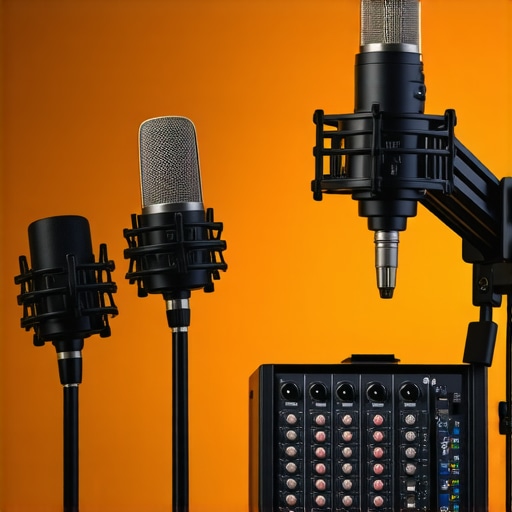
Best Voice Recording Tips with USB, XLR & Shotgun Microphones 2025

I remember the moment perfectly. I had just invested in what I thought was a top-tier microphone, ready to elevate my voice recordings. But when I hit record, all I got was a muddy, echo-laden mess that made me want to throw my gear out the window. It was frustrating. I’d made the classic mistake of rushing into a purchase without understanding the nuances of different microphone types and how they impact voice clarity. That lightbulb moment taught me a lot about what really matters in voice recording, especially with the new options emerging in 2025.
Why Picking the Right Microphone Matters More Than Ever
In 2025, the competition for quality content is fiercer than ever. Whether you’re podcasting, streaming, or recording professional voiceovers, your microphone is your voice’s best friend or your worst enemy. The difference between a clear, professional sound and a dull, indistinct one often comes down to choosing the right type of microphone and setting it up properly. If you’ve ever felt disappointed after investing in what everyone says is the “best,” I get it. I’ve been there. But I promise, with some knowledge, you can avoid those costly mistakes and get results that truly sound polished.
The good news is that you don’t need to be a tech wizard to make smart choices. Today, I’ll guide you through the essential tips for selecting and optimizing your voice recording gear, focusing on the three main types of microphones that dominate 2025: USB, XLR, and shotgun mics. These options each have their strengths and quirks, and understanding them will help you find the perfect fit for your needs.
Have you ever bought a microphone that just didn’t deliver the quality you expected? You’re not alone. Early in my journey, I underestimated the importance of matching my microphone choice to my specific environment and voice. That mistake cost me in clarity and professionalism. That’s why I want to share what I’ve learned so you can avoid the same pitfalls.
To start, it’s crucial to understand that not all microphones are created equal. Some excel at capturing detailed voice nuances, while others are better suited for noisy environments. For instance, I’ve found that shotgun microphones are fantastic for outdoor recording and isolating voice from background noise. Meanwhile, USB mics are incredibly convenient and perfect for beginners or those working in small spaces. XLR microphones, on the other hand, are the top choice for professional studios and serious creators who want maximum control and clarity. If you’re curious about the latest options, check out the top picks for 2025.
Next, I’ll walk you through how to choose the right microphone based on your recording environment, voice type, and budget. This isn’t just about buying the most expensive gear; it’s about understanding what will give you the best results for your specific situation. Ready to improve your voice clarity and sound like a pro? Let’s dive in.
Pick the Right Microphone for Your Environment
Start by assessing where you’ll record most often. For small, quiet spaces, a USB microphone like the top USB mics are perfect because they are plug-and-play and eliminate setup hassle. If you record outdoors or in noisy settings, consider a shotgun microphone, which directs sound from the front and ignores background noise. These are ideal for field recording or outdoor podcasts. For professional studio quality, XLR microphones provide maximum control and clarity, especially when paired with a quality audio interface. Check out the best XLR mics in 2025 to see top picks that suit your budget and voice type.
Many voice creators fall prey to misconceptions that can hinder their audio quality, especially as technology evolves rapidly. One prevalent myth is that the most expensive microphone automatically guarantees professional sound. In reality, the key lies in matching the microphone type and setup to your environment and voice. For instance, investing in a high-end XLR microphone won’t help if you’re recording in a noisy space or without proper sound treatment. The top XLR mics in 2025 are excellent, but only if paired with the right environment and knowledge.
Another common misconception is that all microphones are equally suited for outdoor or field recording. Many assume that any mic can handle the outdoors, but shotgun microphones are specifically designed to focus on the sound source and reject background noise, making them far superior for outdoor use. This is a nuance many overlook, leading to disappointing results when they choose a standard condenser or USB mic for fieldwork. Check out the best shotgun mics for outdoor recording in 2025 to get the right gear.
Why does microphone placement matter more than brand?
Advanced creators know that proper placement and technique often trump brand reputation. Even a modest microphone can deliver stunning results if positioned correctly—close to the mouth, at the right angle, and with sound treatment in the room. Conversely, a top-tier mic poorly placed or used without proper gain settings can produce subpar audio. This nuance is often missed by beginners who focus solely on specs rather than technique. According to audio engineer Dave Pensado, “Placement and environment are the most critical factors in achieving professional sound, not just the microphone itself” (source: Ultimate Guide to Voice Recording 2025).
Furthermore, many believe that once they set up their microphone, their work is done. But advanced users know that ongoing adjustments—like tweaking gain, using pop filters, and proper acoustic treatment—are essential for the clearest sound. The myth that gear alone guarantees quality can lead creators to neglect these critical setup steps, resulting in muddy or distorted recordings. Remember, mastering your mic setup is an ongoing process, not just a one-time purchase.
Have you ever fallen into this trap? Let me know in the comments! Understanding these nuances can save you time, money, and frustration, helping you achieve that crisp, professional sound you’re aiming for.
Keeping your voice recording setup in top shape over time is crucial for maintaining consistent sound quality. Just like any other investment, your microphone and related tools require regular care and strategic updates to stay effective. In this section, I’ll share the specific tools I rely on and the maintenance routines that help me keep my gear performing at its best, ensuring I always deliver crisp, professional audio.
How do I maintain my recording gear over time?
First off, investing in quality accessories makes a noticeable difference. For example, I always use a **pop filter**—not just for reducing plosive sounds but also to prevent moisture buildup on the microphone capsule. I prefer the **Auphonix Pop Filter** because its robust mesh prevents debris and moisture from reaching my mic, extending its lifespan. Regular cleaning of this filter is essential; I wash it every few weeks with mild soap and water to prevent mold and dust accumulation.
Next, I keep my microphone in a dedicated, dust-free environment. I use a **microphone shield** like the **Rode PSM1** to minimize background noise and protect the capsule from dust and air pollutants. When not in use, I store my mic in a padded case, which prevents accidental damage and reduces exposure to temperature fluctuations that can affect internal components.
My audio interface also benefits from routine maintenance. I use a **ground loop isolator** like the **Ebtech Hum Eliminator** to eliminate hum and noise caused by electrical interference—an issue that can creep up with age or when connecting to different power sources. Regularly updating my audio drivers and firmware from the manufacturer’s website is another key step to ensure compatibility and bug fixes, especially as software and hardware evolve.
Additionally, I rely on audio editing software like **Adobe Audition** for post-production. Keeping my plugins updated and running periodic system checks helps me catch any issues early. I also run a cleaning routine on my computer, including disk cleanup and defragmentation, to prevent latency or crashes during recording sessions.
Looking ahead, I believe the trend in microphone maintenance will lean even more towards smart, AI-powered diagnostics. Future tools could automatically detect and alert you to potential hardware issues before they impact your recordings. This proactive approach can save hours of troubleshooting and ensure your setup stays reliable for the long haul.
If you’re serious about long-term quality, I recommend trying the **sound treatment accessories** like foam panels and bass traps, which vastly improve your room’s acoustics and lessen the load on your gear. Regularly check for firmware updates and clean your accessories—these small steps make a big difference in preserving your equipment’s lifespan and ensuring your voice always sounds its best.
Start with one maintenance routine today—perhaps cleaning your pop filter or updating your driver—and see how it improves your workflow. Remember, consistent upkeep is just as important as choosing the right gear in the first place!
Over the years, I’ve discovered that the most overlooked aspect of voice recording is often the most crucial one—microphone placement and understanding your gear. One lightbulb moment was realizing that even a top-tier microphone can sound mediocre if you don’t know how to position it correctly or match it to your environment. This insight transformed my approach, and I want to share it with you so you can avoid costly mistakes and elevate your sound quality effortlessly.
The Hidden Lessons That Changed My Voice Recording Game
- Microphone choice isn’t just about specs but about matching your environment. I used to believe more expensive meant better, but I learned that a shotgun mic outperforms a regular condenser in outdoor settings because it isolates sound effectively.
- Proper placement can turn a decent mic into a professional-grade tool. I now always position my mic close to my mouth, at a 45-degree angle, with a pop filter, which drastically reduces plosives and noise.
- Sound treatment is as vital as the mic itself. Adding foam panels and bass traps in my room made my recordings clearer, even with a modest microphone.
- Regular maintenance extends your gear’s lifespan and keeps your audio pristine. I clean my pop filter monthly and keep my XLR connectors dust-free to prevent degradation.
- Ongoing learning about new tech keeps your sound fresh. Staying updated with the latest in 2025, like AI-driven diagnostics, helps me troubleshoot and optimize faster than ever before.
My Top Picks for Voice Recording Gear in 2025
For serious creators, I trust the best XLR microphones in 2025 because they offer unmatched clarity when paired with quality interfaces. Beginners will find the top USB microphones incredibly convenient, especially for small spaces. Outdoor recording? The shotgun mics are game-changers in 2025, designed to focus on your voice and reject background noise efficiently.
Keep Your Voice Sharp and Your Gear Sharpener
Remember, mastering your microphone setup is an ongoing journey. Regularly check your gear, update your drivers, and refine your placement. Small habits, like cleaning your pop filter and acoustic treatment, can make a significant difference in your sound quality and gear longevity. In the future, expect even smarter tools to help diagnose issues before they impact your recordings, making the process even smoother.
Insider Wisdom for Aspiring Voice Creators
- Lesson One: Never underestimate the power of environment and placement—your gear is only as good as its setup.
- Lesson Two: Invest in quality accessories like pop filters and sound treatment to protect your gear and improve sound clarity.
- Lesson Three: Continuous learning about new microphone types and recording techniques keeps your sound professional and competitive.
- Lesson Four: Regular maintenance isn’t just for equipment longevity but also for consistent, high-quality recordings.
My Essential Gear for Voice Recording in 2025
- **Rode PSM1** for sound protection and dust prevention
- **Adobe Audition** for post-production editing and updates
- **Pop filters** like the **Auphonix** for reducing plosives
- **Acoustic panels** for room soundproofing
Let’s Make Your Voice Shine
Now it’s your turn—are you ready to take your voice recordings to the next level in 2025? Don’t wait for perfect conditions; start experimenting with placement, gear, and sound treatment today. The right microphone and setup can transform your content and open new doors in your creative journey.
What’s the biggest challenge you’ve faced with your voice recording setup? Share your story below—I’d love to hear what’s been holding you back and how you plan to overcome it!
About Me

Chesung Subba
Author/Writer
Hello, I'm Chesung Subba, a passionate writer who loves sharing ideas, stories, and experiences to inspire, inform, and connect with readers through meaningful content.
Follow Me
Connect with me and be part of my social media community.
Leave a Reply