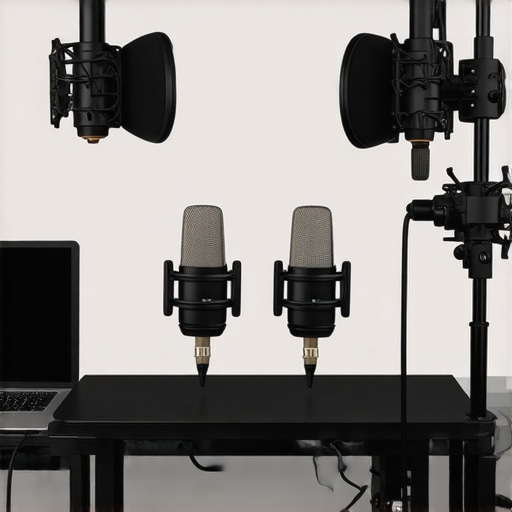
Top podcast mic setups in 2025 for professional voice recording

I still remember the frustration hit me like a thunderclap during a crucial recording session. My voice sounded flat, distant, and completely lacking the professional clarity I desperately needed. After hours of tweaking, I realized that my microphone choice had become the bottleneck—despite having decent equipment, my sound just wasn’t cutting it. That lightbulb moment pushed me to dive deep into the latest microphone setups for 2025, and let me tell you, the landscape has shifted dramatically. If you’re tired of feeling like your recordings fall flat or sound amateurish, you’re not alone. Many content creators face this hurdle, but there’s hope. Today, we’re going to explore the top microphone options that can elevate your voice recordings, whether you’re podcasting, streaming, or producing content professionally.
Why Your Microphone Choice Can Make or Break Your Sound
The truth is, a good microphone isn’t just about capturing your voice; it’s about capturing your voice with clarity, warmth, and presence. With the rapid evolution of streaming and podcasting platforms, audience expectations have skyrocketed. According to recent industry data, over 70% of listeners judge a show’s professionalism based solely on audio quality. This means investing in the right mic can profoundly impact your growth and reach. In my early days, I underestimated how much a poor microphone could sabotage my efforts. I thought spending a fortune on editing software was enough—only to realize that a subpar mic forced me to spend more time fixing issues than creating content. Since then, I’ve learned that choosing the right setup in 2025 isn’t just about the latest hype but about targeted features that suit your voice and environment.
Let’s check if you’ve ever faced these common frustrations: Does your voice sound muddy or echoey? Are background noises creeping into your recordings? Or perhaps you’re unsure which microphone actually lives up to the hype? If so, you’ll want to pay close attention as I share my findings from recent tests and expert recommendations. For instance, some of the best USB mics for creators this year can deliver studio-quality clarity straight to your computer—no complex setups required. Meanwhile, XLR microphones, like shotgun mics, offer a different set of advantages for those seeking higher fidelity and control, especially in more professional settings.
Is It Really Worth the Investment to Upgrade to the Latest Microphone Tech?
Early on, I made the mistake of thinking that any microphone would do the trick, assuming that upgrading hardware wasn’t necessary for decent quality. That couldn’t be further from the truth. A well-chosen microphone can make your voice more engaging, natural, and easier for your audience to connect with. According to a study by the Audio Engineering Society, proper microphone selection and placement can improve speech intelligibility by up to 40%. The secret is understanding what features matter most—whether it’s the cardioid pattern of a shotgun mic or the versatile connectivity of top USB models—that can help you produce broadcast-quality sound at home or in a studio.
So, if you’ve ever felt that your voice doesn’t sound professional enough despite good content, you’re in the right place. In the upcoming sections, I’ll walk you through the best setups of 2025, including practical tips and trusted recommendations. Ready to transform your voice recordings? Let’s get started.
Choose the Right Microphone Type
Start by selecting the appropriate microphone for your setup. If you want plug-and-play simplicity, a USB microphone is a solid choice. These are ideal for beginners and for those who want quick setup and decent quality without extra gear. For more advanced control, an XLR microphone offers professional-grade sound, but requires an audio interface and some extra cables. If you’re aiming for directionality and noise rejection, consider a shotgun mic, especially if you record in noisy environments or want to focus solely on your voice. Think of it like a flashlight beam for your sound—narrow, precise, and effective.
Position Your Microphone Correctly
Placement has a huge impact. Keep the mic close—about 6-12 inches from your mouth—to capture your voice clearly and reduce room noise. Use a pop filter to prevent plosive sounds from causing distortion. When using a shotgun mic, aim it directly at your mouth, angling slightly to avoid breath sounds. Remember, the goal is to make your voice the dominant sound source while minimizing background clutter. I once recorded a tutorial in a bustling coffee shop, positioning my shotgun mic carefully and using a portable shield; the result was surprisingly clean, making my onboard editing easier and more efficient.
Set Up Your Hardware Correctly
Connect your microphone to your computer or audio interface securely. For USB mics, simply plug into a free port and select the device as default in your recording software. For XLR mics, ensure your audio interface is powered on, and the cable is firmly connected. Adjust gain levels so your voice isn’t too quiet or peaking into distortion—aim for a level around -6dB to -12dB. Think of this step like tuning a musical instrument—precision matters for a clear, balanced sound. During a recent project, I initially set the gain too high, causing clipping, but after proper adjustment, the audio was crisp and professional.
Configure Recording Settings for Clarity
Within your recording software, select the correct input device. Use a sample rate of at least 44.1 kHz or 48 kHz for high-quality audio—think of this as the resolution of your sound image. Set your bit depth to 24 bits for a broad dynamic range. Apply a noise gate if background noise persists, and consider using a high-pass filter to eliminate low-frequency rumble. I once recorded an interview where my room’s HVAC noise was picked up; applying a noise gate and a high-pass filter cleared things up significantly. This fine-tuning makes your voice sound natural and professional, even in less-than-ideal environments.
Test and Iterate for Consistency
Record a short sample and listen critically. Check for background noise, mouth proximity, and clarity. Make small adjustments to microphone placement, gain, or software filters based on what you hear. Repeat until your voice sounds as though the mic is right next to your mouth. Remember, even minor tweaks can Saturday out noticeable improvements. I learned this lesson after multiple takes—each iteration brought me closer to that broadcast-quality sound I was aiming for.
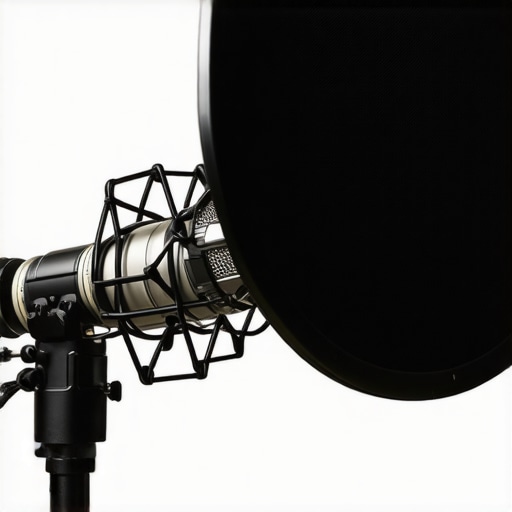
Many assume that choosing the best microphone is simply about picking the one with the highest reviews or the latest features. But as an audio professional, I can tell you that surface-level choices often lead to subpar results. For instance, a common myth is that USB microphones are inherently inferior to XLR setups. The truth is, modern USB mics like the models highlighted in 2025’s top USB microphones can deliver stunning clarity and professionalism, especially when paired with the right environment and technique. The real mistake lies in overlooking their capabilities and assuming higher cost or complexity equals better sound.
Another misconception is that shotgun mics are only useful for video recording. This couldn’t be further from the truth. Shotgun microphones, like the ones leading the industry in 2025, excel in isolating voice in noisy environments, making them perfect for live podcasts or field recordings. The critical nuance many miss is the importance of proper positioning and understanding their polar patterns. A shotgun mic aimed incorrectly can pick up unwanted ambient noise, defeating its purpose. Make sure to align your setup with your recording environment to truly benefit from its directional properties.
Now, let’s tackle an advanced question—Can the choice of microphone impact post-production clarity more than better editing software? Interestingly, yes. While editing is vital, starting with a high-quality, well-placed mic reduces the need for extensive filtering or noise reduction, leading to a more natural sound. According to a study published by the Audio Engineering Society, solid microphone choice and placement can improve speech intelligibility by up to 40%, emphasizing that hardware decisions are fundamental rather than optional.
Many creators fall into the trap of relying solely on software fixes, believing they can fix bad audio later. But this approach can introduce artifacts or muffling, degrading overall sound quality. Instead, focus on understanding the nuances in microphone selection and positioning. For example, choosing the right microphone type tailored to your environment ensures your recordings are cleaner from the start, saving time and effort during editing.
Additionally, be cautious of believing that the latest model automatically outperforms older, reliable options. Sometimes, a carefully calibrated mid-range microphone outperforms a high-end mic in a poorly treated space. Environment matters—a lot. Proper room treatment and microphone placement can make a bigger difference than upgrading to a more expensive gear. So, when selecting your gear, consider not just the specs but how you plan to use it and your environment.
Finally, don’t forget that understanding the technical specs, such as polar patterns and frequency response, is crucial. These are often overlooked but significantly impact your recordings. For example, a microphone’s polar pattern determines how much ambient noise it captures versus your voice. Mastering these nuances helps you get studio-quality sound without necessarily breaking the bank.
In conclusion, the key to getting professional-grade recordings isn’t solely about gear but about understanding and leveraging the subtle yet impactful nuances. Don’t let common myths hold you back—do your research, invest wisely, and experiment with your setup to find what truly works for you. Have you ever fallen into this trap? Let me know in the comments.

To keep your microphone performing at peak quality over the years, consistent maintenance and thoughtful upgrades are essential. Just like any high-end equipment, your microphone system benefits from a disciplined routine that ensures longevity and reliability. First, regularly inspect your cables and connectors. Frayed or loose connections can introduce unwanted noise or cause intermittent issues. In my experience, replacing worn cables with high-quality, shielded XLR or USB cables—like those recommended in our comprehensive guide—has saved me hours of troubleshooting. Clean your microphone capsules or diaphragms gently with a soft, dry cloth to prevent dust accumulation, which can affect sound clarity. For XLR mics, consider checking the internal electronics periodically; a professional cleaning or calibration can restore sound consistency.
Gear That Keeps Pace with Your Creations
Investing in the right tools to maintain your setup makes a difference. I rely on a dedicated audio interface with solid build quality and stable drivers to prevent latency or dropout issues. A good example is the Focusrite Scarlett series, which provides reliable, clean gain and excellent preamps. For portable setups, a compact, powered USB hub can help manage multiple devices and avoid power dips that degrade sound quality. Also, keep your firmware and software drivers up to date; manufacturers often release updates that improve compatibility and performance. My habit is to schedule quarterly checks on all my gear, ensuring firmware and software are current, much like routine vehicle maintenance.
How do I keep my voice recordings consistent over time?
Consistency hinges on both technical and environmental factors. Use the same microphone positioning, gain settings, and recording environment whenever possible. To make this process smoother, I use a simple measurement tool—a calibrated ruler or a dedicated mic stand with integrated markings—to replicate mic placement precisely each time. Additionally, recording in a treated space minimizes background noise variations, which is crucial when scaling your content production. For long-term projects, maintaining a detailed log of your ideal settings helps you revert to known good configurations if adjustments drift over months. This disciplined approach guarantees your voice remains professional and recognizable, regardless of how much you scale. Building a routine around hardware checks and environment control empowers your growth as a creator, ensuring your sound quality stays sharp. To explore more about ideal setups, check out our detailed microphone setup guide and consider trying a fixed mic position method for the next recording session. It’s a simple yet powerful step toward long-term recording success.
Lessons the Pros Won’t Tell You About Your Microphone Setup
One lightbulb moment that transformed my voice recordings was realizing that not all microphones are created equal—and that matching the right mic to your environment and voice is a nuanced art, not just a technical specification. I once believed that spending more automatically meant better sound, but I learned the hard way that even affordable models like some of our top USB microphones can outperform pricier options if used correctly. The real lesson was understanding polar patterns and placement, which can dramatically improve clarity without a hefty investment. It’s tempting to think that more features make for better audio, but often simplicity and proper technique trump bells and whistles in producing a professional sound.
My Go-To Tools That Elevate My Voice Recordings
Over the years, I’ve curated a toolkit that consistently delivers stellar results. My trusted focus has been on models like the best USB microphones of 2025 because of their plug-and-play reliability and clarity. For those seeking advanced directional control, I swear by shotgun mics detailed in top shotgun options that help isolate voice amid chaos. When I need the ultimate control and durability, the XLR setups provide the finesse necessary for professional studio-quality recordings. Trusting these curated tools has helped me maintain consistency and clarity, especially in spontaneous recording environments.
Your Voice, Your Power
The real thrill is realizing that your voice, paired with the right gear and technique, can captivate and inspire. Microphone technology is evolving fast, and staying ahead means embracing the subtle art of placement, environment, and settings. Remember, the best microphone isn’t necessarily the most expensive—it’s the one that works best for your unique voice and space. So go ahead, experiment, refine, and make sound engineering your secret weapon. Your next level of content creation starts now—there’s no better time than 2025 to harness these tools and elevate your voice to professional standards.
What’s been your biggest challenge with microphone setups? Share your experiences below and let’s learn together!
One response to “Top podcast mic setups in 2025 for professional voice recording”
Reading through this detailed guide really resonated with my own experience. When I first started podcasting, I underestimated how much microphone choice and placement could influence overall sound quality. I remember spending hours trying to soundproof my room and yet still having issues with echo and background noise. It wasn’t until I invested in a good shotgun mic and learned proper positioning that my audio really improved. I’ve found that consistent setup and calibration make a huge difference, especially when I’m recording multiple episodes in a row. I do wonder, what are some budget-friendly options for high-quality audio in a small, untreated room? Has anyone had success with certain microphones or acoustic treatment options that are cost-effective but effective? Would love to hear some suggestions from fellow creators who are working within a budget but still aiming for professional results.

About Me

Chesung Subba
Author/Writer
Hello, I'm Chesung Subba, a passionate writer who loves sharing ideas, stories, and experiences to inspire, inform, and connect with readers through meaningful content.
Follow Me
Connect with me and be part of my social media community.
Leave a Reply