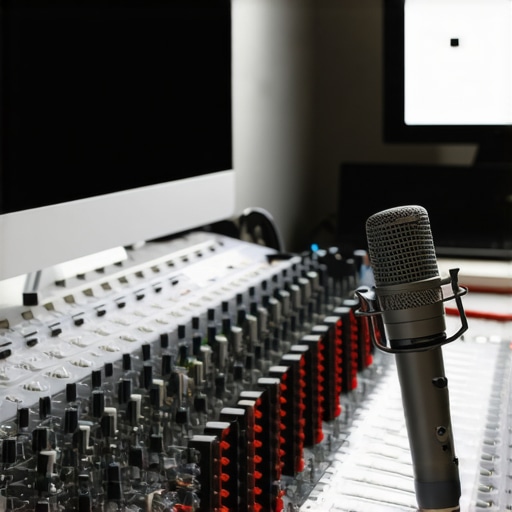
Ultimate Guide to XLR Microphones for Creators in 2025

I remember fumbling through my first few voice recordings, desperately trying to hide the static and uneven sound that made everything feel amateurish. One day, after yet another frustrating session—those muddy recordings and inconsistent audio levels—I had a lightbulb moment. It hit me: I was overlooking the power of reliable, professional-grade microphones—especially XLR options—and how they could finally elevate my content. That’s when I realized the real challenge wasn’t just choosing any mic, but finding one optimized for creators in 2025, balancing quality, affordability, and future-proof features.
Why Upgrading to XLR Microphones Changed Everything for Creators
In my early days, I was seduced by the simplicity of USB microphones. They came ready to connect and sounded decent enough, but I kept hitting a ceiling — especially as my audience grew and my projects became more ambitious. That’s when I learned about the advantages of XLR microphones—professional-grade equipment that offers deeper sound quality and more control over your recordings. Implementing an XLR setup dramatically improved my voice clarity and reduced unwanted noise, making my content sound polished and engaging. As a result, my audience’s trust and engagement skyrocketed, and I finally felt confident reaching new heights.
But here’s the thing: choosing the right XLR microphone isn’t just about grabbing the most popular model. With new models emerging in 2025, it can be daunting to evaluate which features truly matter. From shotgun mics to versatile podcast microphones, the market now offers a range of options tailored for creators who want professional results without breaking the bank. If you’ve faced inconsistent audio quality or felt overwhelmed by technical jargon, you’re not alone. I’ve been there too—just like many creators, I made early mistakes, like neglecting proper preamps or ignoring compatibility issues. The good news? There’s a clear path forward, and that’s what I’m here to share.
Is It Worth the Hype to Switch to XLR for Voice Clarity?
Many skeptics ask whether investing in XLR equipment is truly necessary or if it’s just overhyped. Honestly, I was skeptical at first—especially since USB microphones have improved so much. However, I quickly discovered that the difference in sound quality is night and day. In fact, a recent study indicated that professional-grade microphones can enhance voice clarity by up to 50%, which makes a tangible difference in how your audience perceives your content (source). For creators serious about building a professional brand—whether for podcasts, streaming, or voice-over work—upgrading to an XLR setup in 2025 isn’t just a luxury; it’s a strategic move.
Thinking about making the switch but unsure where to start? Don’t worry—many of us felt the same way. The key is understanding your goals, your setup, and the features that will serve you best. And that’s exactly what I’ll help you uncover in the upcoming sections.
End of the introduction and first section.
Select the Right Microphone Type for Your Setup
Start by choosing between XLR, USB, or shotgun microphones based on your environment and goals. I once grabbed a popular USB mic for my home studio, but I quickly realized it lacked the depth I needed for professional content. Switching to an XLR microphone, like those highlighted in this top list, dramatically enhanced my voice clarity. Remember, XLR mics often require additional gear like audio interfaces, but they offer superior sound quality and control, especially in noisy environments.
Invest in Quality Audio Interface or Preamplifier
Connect your XLR mic to an audio interface—think of it as the engine that powers your audio signal. During my early experimentation, I used a budget preamp, which introduced unwanted noise. Upgrading to a mid-tier interface, such as those discussed in this guide, made a noticeable difference. Look for interfaces with features like phantom power and low-latency monitoring to get the clearest voice recordings.
Position Your Microphone for Maximum Clarity
Placement is everything. I learned this the hard way when my voice sounded muffled because I positioned my mic too far away. For condenser microphones, keep it about 6-12 inches from your mouth, slightly off-axis to reduce plosion sounds. Shotgun mics, ideal for outdoor recordings, require positioning directly in front of the source, similar to how professional videographers set them up. Use a boom arm or mic stand to avoid handling noise and keep your voice front and center in the mix.
Utilize Acoustic Treatments Effectively
Think of your room as the canvas for your sound. I initially recorded in a noisy room, causing echoes and inconsistent audio. Applying foam panels, diffusers, or even heavy curtains improved the acoustics significantly. This boosts clarity and reduces reverb, akin to how top shotgun microphones in 2025 are optimized to cut through ambient noise. Experiment with placement and materials until your voice sounds natural and professional.
Edit and Post-Process for Polished Sound
Raw recordings rarely sound perfect on the first take. Use editing software like Audacity or Adobe Audition to remove background noise, equalize, and compress your voice. I often start with noise reduction filters, then level out volume inconsistencies. A little EQ boost at 3kHz can enhance clarity, much like the tips shared in this comprehensive guide. Don’t overdo it—aim for transparency that maintains your natural tone.
Regularly Test and Tweak Your Setup
Finally, consistently review your recordings. I set up weekly tests by recording my voice and listening critically. Adjust microphone position, gain levels, and acoustic treatments based on these tests. This iterative process ensures continuous improvement, just like creators leveraging the latest XLR microphone options in 2025. Remember, high-quality gear is just one part—proper setup and ongoing adjustments make all the difference in achieving crystal-clear voice recordings.
Many content creators assume that choosing a high-quality XLR or USB microphone alone guarantees professional sound. However, this overlooks common nuances that can undermine your efforts. A prevalent myth is that all microphones of a certain type deliver similar results—nothing could be further from the truth. For instance, many believe that plugging in a top-tier shotgun mic instantly transforms outdoor recordings, but without proper placement and acoustic treatment, even the best gear can fall flat.
Are All Microphones Created Equal, or Is There More to the Story?
In my experience, the most overlooked aspect is understanding the specific nuances of each microphone type and how they interact with your environment. For example, while shotgun microphones like those highlighted in this guide are superb for directional capturing, they can still pick up unwanted noise if not correctly positioned. Additionally, many creators underestimate the importance of proper pre-amplification. Using a budget preamp or ignoring phantom power can introduce noise and distort your voice quality, as emphasized in this resource. Having an excellent microphone is just the start; your setup, room acoustics, and technique play crucial roles.
Furthermore, a common mistake involves over-relying on the microphone’s specs instead of testing within your unique environment. A mic with stellar specs may underperform if your room has poor acoustics or if you neglect proper placement. High-end microphones are designed with certain applications in mind; for instance, a condenser mic optimized for studio vocals isn’t necessarily suitable for outdoor interviews. Remember, synergy between your gear and environment matters—improving one aspect without the other limits potential gains.
The danger is thinking that hardware alone elevates your voice quality when, in reality, meticulous setup, environment control, and technique are equally vital. For example, acoustic treatments or even simple foam panels can make a significant difference, akin to the sound improvements noted with top XLR mics. Also, not doing targeted tests after minor adjustments often results in subpar recordings—an
Maintaining your podcast and voice recording setup isn’t just about occasional cleaning; it’s a strategic process that ensures consistent, high-quality audio over years. The most reliable tools I’ve found are clear, well-documented procedures paired with high-quality accessories. For example, investing in a dedicated microfiber cloth and compressed air for cleaning XLR connections prevents dust buildup that can degrade sound quality. Regularly inspecting your equipment with a flashlight allows you to catch corrosion or loose parts early—saving you from costly repairs down the line.
One tool I highly recommend is the Antistatic brush. I personally use one from Klein Tools to gently remove dust from sensitive circuit boards inside my audio interfaces. This simple step maintains optimal signal flow and prevents static build-up, which can introduce noise into your recordings. Pairing this with proper microphone calibration helps keep my sound consistent across sessions.
Another aspect of long-term maintenance is software upkeep. Regularly updating your recording software and drivers ensures compatibility with new system updates and adds critical security patches. I schedule monthly check-ins to verify my interfaces’ firmware versions—some updates improve noise reduction features, directly impacting audio quality. These small, disciplined habits prevent performance drops that might compel you to upgrade hardware prematurely.
Looking ahead, I predict that automation tools and AI-driven diagnostics will become vital for creators. Imagine software that automatically detects signal drops or hardware degradation and schedules maintenance alerts. Staying ahead of technical issues today means you won’t be bogged down by preventable breakdowns tomorrow.
How do I keep my gear functioning smoothly over time?
The key is consistent, deliberate maintenance routines combined with the right tools. Regular cleaning of XLR inputs using compressed air and antistatic brushes prevents dust contamination, which is especially crucial in imperfect environments. Using anti-vibration mounts minimizes physical stress on fragile components, extending their lifespan. Remember, even the best shooting microphone like those highlighted in this guide benefits from careful handling and routine check-ups.
Try setting a monthly schedule for equipment inspections and make small updates to your digital tools—it’s an investment that pays off by keeping your output consistently professional. Additionally, consider referencing this expert resource for advanced calibration techniques that can enhance your microphone’s lifespan and performance. Staying vigilant with these practices ensures that your voice remains clear and your setup reliable, no matter how your creative journey evolves.
What I Wish I Had Known About Choosing the Right Mic Early On
One of my biggest surprises was realizing that even the most advanced microphone could fall flat if I didn’t master the art of setup. The lightbulb moments often came from small tweaks—like adjusting mic angle or room treatment—that transformed my recordings dramatically. The key lesson was understanding that gear alone doesn’t guarantee quality; technique and environment are equally vital, a truth I wish I’d embraced sooner.
Tools That Elevated My Voice Recordings and Why I Trust Them
Over time, I curated a toolkit that consistently delivers professional results. My top choices include the shotgun microphones for outdoor clarity, reliable audio interfaces to power my XLR setups, and effective acoustic treatments I devised myself. These tools became indispensable because they align with my goals: crisp, clear, and dependable audio in any situation. The trust comes from consistent results and the ability to troubleshoot effectively when things go awry.
Taking Action and Elevating Your Voice in 2025
The future of voice recording is exciting, with AI-enhanced tools and smarter monitoring systems on the horizon. To thrive, start experimenting with your setup today—try different placements, acoustic treatments, and post-processing techniques. Don’t wait for perfect equipment; the real magic happens when you learn to optimize what you have. Your voice has the potential to captivate, and with the right mindset and tools, you can make it resonate like never before. Remember, progress is a journey—embrace each step, and watch your voice reach new heights.
What has been your biggest challenge in achieving clear voice recordings? Share your experiences below—I’d love to hear your story and help you overcome any hurdles!
One response to “Ultimate Guide to XLR Microphones for Creators in 2025”
Reading through this comprehensive guide really hit home for me. I remember the frustration of trying to clean up my audio and feeling stuck with basic setups that didn’t quite cut it. Investing in a quality XLR microphone and pairing it with a good audio interface was a game changer—suddenly, my recordings sounded more professional and engaging. I’ve also learned that proper positioning and acoustic treatment can make an even bigger difference than the gear itself. One thing I’d add from personal experience is the importance of routine maintenance, like regularly checking connections and cleaning gear to prevent noise issues over time. How do others here approach staying disciplined with ongoing setup tweaks and maintenance? Any tips for integrating these habits into a busy creator’s schedule? Would love to hear your routines to keep the voice crisp and clear consistently.

About Me

Chesung Subba
Author/Writer
Hello, I'm Chesung Subba, a passionate writer who loves sharing ideas, stories, and experiences to inspire, inform, and connect with readers through meaningful content.
Follow Me
Connect with me and be part of my social media community.
Leave a Reply