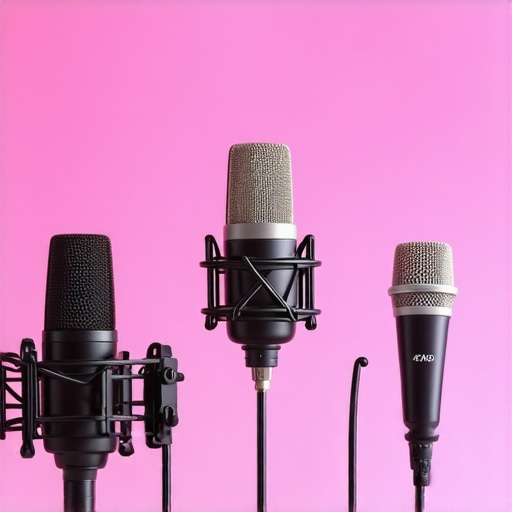
Best USB, Shotgun & XLR Microphones for Creators in 2025: Voice Clarity Guide

I remember the exact moment I realized my audio was holding me back. I was recording a critical podcast episode, and no matter how much I tweaked my setup, my voice sounded distant, muffled, and honestly, a bit amateurish. It was a lightbulb moment. If I wanted my audience to truly connect with my message, I needed to get serious about my microphone choice. That day, I promised myself to dive deep into finding the best microphones for creators in 2025, and I haven’t looked back since.
Why Voice Clarity Matters More Than Ever
In 2025, the creator economy is booming like never before. With so much competition, having crystal-clear voice quality can make or break your content. Whether you’re streaming, podcasting, or doing voice-overs, your microphone is your most important tool. Believe me, investing in the right gear can elevate your professionalism and grow your audience faster.
Have You Faced This Problem Too?
Are you tired of sounding like you’re speaking through a tin can? Or maybe you’ve spent hours editing audio that just doesn’t sound right? You’re not alone. Many creators struggle with choosing the right microphone and end up wasting time and money on gear that doesn’t deliver.
Early on, I made a costly mistake by opting for budget microphones that promised a lot but delivered little. It took me months to realize that my setup was the bottleneck. If you’d like to avoid that pitfall, stick with me — I’ll guide you through the top picks and what makes them stand out in 2025.
So, what’s the secret? It’s all about understanding your needs and matching them with the right microphone type—whether it’s a USB, shotgun, or XLR. For instance, if you want simplicity and plug-and-play convenience, a top-rated USB microphone might be perfect. Looking for professional-grade quality? An XLR microphone could be your best bet. And if you’re shooting videos outdoors, a shotgun mic might be the game-changer.
In this post, I’ll share practical insights, vetted picks, and tips to help you elevate your voice clarity in 2025 — so you can finally sound as good as you look, and grow your audience with confidence.
Choose the Right Microphone Type for Your Needs
Start by evaluating your recording environment and goals. Are you streaming from a quiet indoor space, or filming outdoors? For simplicity and quick setup, USB microphones are ideal. If you want professional sound, consider XLR mics which require an audio interface but offer superior clarity. For on-the-go filming, shotgun mics excel at capturing focused audio outdoors. Match your environment with the microphone type to maximize voice clarity.
Test and Fine-Tune Your Microphone Setup
Once you’ve selected your microphone, it’s time to test. Position your mic at an optimal distance—about 6-12 inches from your mouth for most setups. Use a pop filter to reduce plosives and a shock mount to minimize vibrations. Record a short sample and listen critically. Adjust the gain settings; too high can cause distortion, too low results in weak audio. I learned this the hard way during a live stream when my voice sounded muffled because I didn’t set the gain correctly. Regular testing allows you to identify and fix issues early.
Optimize Your Environment for Clear Voice Capture
The environment impacts microphone performance significantly. Use sound-absorbing materials like foam panels or blankets to reduce echo. Avoid rooms with reflective surfaces, or position your mic to minimize ambient noise. For outdoor shoots, use a shotgun mic mounted on a boom pole or camera, aimed directly at your mouth, to isolate your voice from background noise. During a recent outdoor interview, I used a shotgun mic and a windscreen, which drastically improved my audio quality despite the wind and traffic noise.
Leverage Technology for Enhanced Clarity
Use software tools like noise suppression and equalization (EQ) to clean up your audio. Many DAWs and recording apps now feature AI-driven noise reduction, making your voice stand out. When I recorded my first podcast episode, I applied EQ to boost clarity and cut low-frequency hums. It’s a small step that made my voice sound more professional and engaging. For streaming, consider real-time audio processing tools that smooth out inconsistencies live.
Regularly Upgrade and Maintain Your Gear
Microphones and accessories wear out or become outdated. Keep your gear clean and store it properly to extend its lifespan. When a friend recommended a top XLR podcast mic, I replaced my old, noisy microphone, and the difference was night and day. Staying updated on the latest models and tips ensures you always have the best tools for voice clarity in 2025.
Many creators are quick to latch onto popular advice about microphones, but let’s dig deeper into some of the misconceptions that persist even among seasoned content producers. These myths can lead you down the wrong path, wasting time and money, or worse, compromising your audio quality without realizing it.
Why Most People Overlook the Nuances of Microphone Placement
There’s a common belief that simply buying a high-end microphone guarantees professional sound. In reality, placement and environment matter far more than the mic’s price tag. Even the best microphone can sound terrible if positioned incorrectly or if the room’s acoustics are neglected. For example, many overlook the importance of maintaining an optimal distance—about 6-12 inches from your mouth—and using a pop filter. These details can drastically reduce plosives and sibilance, improving clarity without extra editing. Contrary to popular opinion, a $50 mic can outperform a $500 one if used properly. To master this, focus on fine-tuning your setup and environment, not just gear upgrades. For more insights, check out the ultimate guide to voice recording microphones.
Common Trap: Believing All Microphones Are Created Equal
Another mistake is assuming that all microphones are interchangeable. This is false. Different types — USB, XLR, shotgun — serve distinct purposes and excel in specific scenarios. For instance, using a shotgun mic outdoors without proper wind protection can result in unusable audio, regardless of its specifications. Similarly, a cheap USB mic might be suitable for casual streaming but fall short for professional podcasts. Recognizing the strengths and limitations of each mic type is crucial. Some creators overspend on features they don’t need, while others skimp on essential accessories like shock mounts or sound treatment. To avoid this trap, always match your gear to your environment and goals. Explore the top picks for 2025.
Advanced Question: How Do Acoustic Environments Influence Microphone Choice?
For the advanced creator, understanding how your environment interacts with microphone performance is key. Acoustic treatment can transform your space from echoey and muddy to clear and studio-quality. For example, using sound-absorbing panels or diffusers can make a mic like a top XLR microphone sound remarkably better by reducing background noise and reverberation. Conversely, neglecting room acoustics can cause even the most expensive mic to pick up unwanted echoes, background noise, or room tone, which complicates post-production. A recent study from the Acoustical Society of America emphasizes that environment optimization can double the perceived clarity of recordings. So, before investing heavily in gear, consider your space — sometimes, a few acoustic panels are more effective than the latest mic technology. Don’t fall into the trap of thinking gear alone can solve room issues.
Have you ever fallen into this trap? Let me know in the comments.
Maintaining your microphone setup over time is essential to ensure consistent voice clarity and professional quality. I personally swear by a few key tools and methods that keep my gear performing at its best, and I recommend you do the same. Regular cleaning is the first step—using a soft, lint-free cloth to wipe down the microphone body and grille prevents dust buildup that can muffle sound. For XLR mics, I also suggest using a specialized cleaning spray designed for audio gear, which can remove grime without damaging delicate components.
Next, investing in a quality shock mount and pop filter is non-negotiable. These accessories not only improve sound quality but also protect your microphone from physical wear. I replaced my old foam windscreen with a metal shock mount a few years ago, and the difference in stability and noise reduction was immediate. These accessories are a small investment that yields long-term gains in durability and sound clarity.
For software, I rely heavily on AI-powered noise reduction plugins like Adobe Audition’s “Auto Heal” or iZotope RX. These tools help me clean up any background noise or hisses that may creep into recordings, especially when working in less-than-ideal environments. I recommend setting up a default noise profile before recording sessions—this way, you can quickly apply noise reduction during post-production without losing voice fidelity.
Long-term, I suggest creating a maintenance schedule—monthly checkups for your gear and quarterly updates for your software. This routine catches issues early, preventing costly repairs or replacements down the line. Also, keep your firmware and drivers up to date, especially if you’re using USB microphones. Manufacturers often release updates that improve performance and fix bugs, ensuring your setup remains reliable as technology evolves.
Looking ahead, the trend in microphone technology points toward smarter, AI-enhanced hardware and software that can automatically optimize your voice in real-time. To stay ahead, I plan to experiment with these emerging tools, such as AI-based mic processors that analyze your environment and adapt settings dynamically. For now, implement these basic maintenance tips, and you’ll extend the lifespan of your gear while maintaining top-notch voice quality.
One advanced tip I highly recommend is regularly calibrating your microphone’s gain and EQ settings using test recordings and critical listening. This practice ensures your voice remains clear and natural, regardless of environmental changes or gear updates. Try it today—small adjustments can make a big difference in your overall sound quality.
How do I maintain my microphone setup over time?
Consistent care, routine cleaning, updating software, and investing in quality accessories are key to keeping your microphone gear in excellent condition. Remember, your equipment is an investment—treat it with the same care you give your content. For more detailed advice, check out the ultimate guide to voice recording microphones.
The Hardest Lesson I Learned About Microphones
Early on, I believed that investing in the most expensive microphone would instantly elevate my sound quality. It wasn’t until I realized that proper placement, environment, and technique mattered far more than price tags that I truly improved. This lightbulb moment taught me to focus on mastering setup fundamentals before chasing the latest gear.
My Essential Toolkit for Voice Clarity
I trust the ultimate guide to voice recording microphones because it offers comprehensive insights rooted in real-world testing. For professional quality, I recommend the top XLR microphones—they’ve transformed my recordings. When I need quick setup, a USB mic is my go-to, offering simplicity without sacrificing clarity.
Your Turn to Elevate Your Voice
Don’t let subpar audio hold back your content. With the right knowledge and tools, you can finally achieve the voice clarity that makes your audience listen and engage. Remember, consistency and environment matter as much as the gear itself.
Have you ever struggled with microphone placement or environment issues? Let me know below and share your experience!
2 responses to “Best USB, Shotgun & XLR Microphones for Creators in 2025: Voice Clarity Guide”
About Me

Chesung Subba
Author/Writer
Hello, I'm Chesung Subba, a passionate writer who loves sharing ideas, stories, and experiences to inspire, inform, and connect with readers through meaningful content.
Follow Me
Connect with me and be part of my social media community.
Leave a Reply