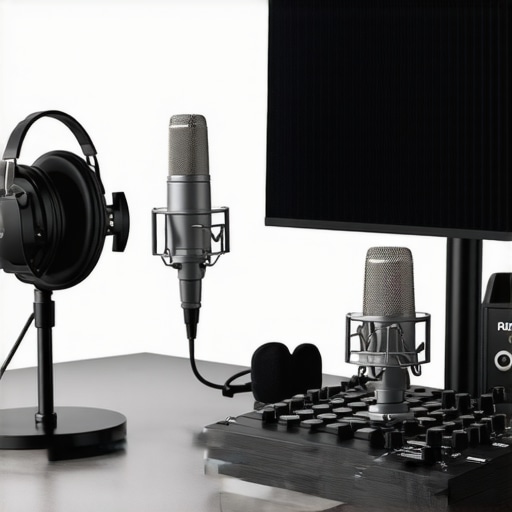
Best USB Microphones for Creators: Top Voice & Podcast Clarity in 2025

I remember the exact moment I realized my microphone was holding back my content. I was recording a new podcast episode, enthusiastically speaking into my setup, only to be met with muffled sound, annoying background noise, and an ever-growing itch of frustration. It hit me—my microphone was just not good enough, and my audience deserved better. That lightbulb moment pushed me on a quest to find what truly makes a microphone stand out in 2025 for creators like us.
Why Your Microphone Choice Can Make or Break Your Content
Choosing the right microphone isn’t just about tech specs or fancy features. It’s about making sure your voice comes through crisp, clear, and engaging. In an era where content floods social media and streaming platforms, someone else’s muffled or unclear audio can be the reason viewers scroll past your videos. A quality microphone, especially a well-chosen USB model, can be the difference between sounding professional or amateurish.
Is Microphone Hype Just That—Hype?
Early in my journey, I made the mistake of believing all microphones were created equal, thinking that spending less would do just fine. Spoiler alert: it doesn’t. I once bought a popular budget mic, only to regret it when my audio quality didn’t match my effort or content value. As research from sources like Creator Rig Reviews shows, investing in the right gear is essential for standing out.
If you’re tired of re-recording, shouting into the void, or feeling insecure about your audio, you’re not alone. Many creators face this dilemma—believing that the microphone they have is enough. But in 2025, the best USB microphones are designed to deliver professional clarity without complex setup hassles. Ready to ditch subpar sound and ensure your voice rings true? Let’s explore what makes a microphone truly impactful for creators today.
Select Your Mic Type Carefully
Start by defining your recording environment and needs. For podcasting, a shotgun microphone is excellent to curb background noise, acting like a focused flashlight that illuminates your voice while dimming the surroundings. If you’re recording in a controlled space, a quality XLR microphone provides professional-grade sound, akin to tuning a musical instrument for flawless pitch. A USB microphone offers a plug-and-play solution, perfect for quick setups, much like using a smartphone for instant photos. I once tested a shotgun mic in a noisy café, and its directional capabilities kept my voice clear, illustrating how choosing the right mic type directly impacts audio quality.
Position Your Microphone Correctly
Use the Proximity Effect Wisely
Place the microphone close to your mouth, about 2-6 inches away, to maximize clarity and warmth, similar to singing into a handheld mic. Too far, and your voice may sound distant; too close, and you risk plosive buildup, which can sound like a burst of air. I experimented with different distances during a recording session and found that a consistent proximity produced a richer, more professional voice tone. This technique ensures your voice remains the centerpiece, overshadowing background noise.
Angle Matters for Focused Sound
Adjust the mic angle to reduce unwanted sounds. For shotgun mics, aim the capsule directly at your mouth, much like pointing a telescope at a celestial target, to enhance direct sound pickup. An XLR mic might require a boom arm for precise positioning, similar to adjusting a microphone stand in a recording studio. Proper positioning minimizes room reflections and echoes, creating a clean sound. I learned this firsthand when I misaligned my shotgun mic, resulting in muffled audio, emphasizing the importance of correct placement.
Adjust Your Recording Setup for Clarity
Set your input levels correctly—avoid clipping or too-low signals—by testing your voice at different volumes, akin to setting the right volume on a radio. Use a pop filter or windscreen to reduce plosive sounds, which sound like sudden bursts, reminiscent of a whooshing wind. During my first recording with a basic setup, I skipped this step and ended up with distorted audio. Taking time to calibrate your microphone settings ensures your voice sounds professional, making your content more engaging and trustworthy.
Leverage Quality Accessories
Invest in a good audio interface for XLR mics to convert analog signals smoothly, similar to a high-quality adapter for a cable. Use shock mounts to prevent handling noise—imagine holding a microphone in a cradle that absorbs vibrations—thereby maintaining clarity. For USB mics, ensure your USB port is reliable and fast to avoid dropouts. I once used a cheap USB hub, which introduced unwanted noise, teaching me that quality accessories are crucial for optimal sound. These small investments significantly affect your final output and perceived professionalism.
Many creators assume that selecting any microphone will yield acceptable results, but in reality, there are nuanced pitfalls that can sabotage your audio quality. For instance, the myth that all shotgun mics are universal fails to consider the importance of polar patterns—hypercardioid versus shotgun designs—impacting background noise rejection. According to audio expert Ethan Winer, understanding these differences is crucial for optimal voice clarity, especially in unpredictable environments. Similarly, a common mistake is overlooking the significance of proper microphone placement; even high-end XLR mics need precise positioning to avoid room reflections and plosive buildup. Many rush this step, resulting in muddy or inconsistent recordings. When it comes to podcasting, some believe that a USB mic can replace XLR setups entirely, but this ignores the inherent advantages of XLR microphones, such as higher dynamic range and better noise filtering, which are vital for professional audio. Choosing the wrong microphone type without considering your specific use-case environment often leads to frustration and re-records. For advanced users, one often-overlooked aspect is the impact of preamp quality—an often unseen bottleneck that affects gain staging and overall clarity. Upgrading your preamp or audio interface can transform your recordings, yet many neglect this component, assuming the microphone alone is enough. Additionally, many creators fall into the trap of relying solely on default settings without performing critical calibration—something that can cause clipping or overly low volume levels, ruining the listening experience. To truly elevate your voice recordings, it’s essential to understand these subtle technical distinctions and tailor your setup accordingly. For comprehensive tips on maximizing microphone benefits, check out the detailed guides on top podcast microphones in 2025 or the ultimate guide to USB and XLR microphones. Remember, mastering these nuances can be the difference between average audio and professional sound quality. Have you ever fallen into this trap? Let me know in the comments.
To keep your microphone performing at its peak, regular maintenance is crucial. This includes cleaning your equipment, checking connections, and updating firmware or drivers when necessary. I personally recommend using a soft, lint-free cloth to gently wipe your microphone capsules and body monthly, preventing dust buildup that can compromise sound quality. For XLR microphones, inspect cables for wear and replace damaged ones promptly; a faulty cable can introduce noise and reduce clarity. Ensuring your audio interface’s firmware is up-to-date can also improve compatibility and sound fidelity, as highlighted in the ultimate guide to XLR microphones. Regularly test your setup with familiar recordings to catch issues early and avoid unexpected surprises during crucial sessions.
Tools I recommend for upkeep and troubleshooting
Investing in a dedicated microphone stand with shock mounting can prolong your gear’s lifespan and maintain sound quality over time. I use the Rode PSA1 boom arm, which helps absorb vibrations and handling noise, ensuring pristine recordings. For cleaning, a can of compressed air is invaluable for clearing dust from ports and capsules without risking damage. Additionally, a high-quality audio interface, such as the best audio interfaces of 2025, provides stable power and clean preamps, protecting your microphone’s longevity and sound integrity.
Thinking ahead for scalability and future-proofing
As your setup evolves, consider upgrading to versatile mics like the XLR microphones favored in 2025 or integrating shotgun mics that can adapt to various recording environments. Regularly calibrate your preamp levels and monitor your equipment’s health to ensure consistent performance. In future, wireless solutions for microphones might become more reliable, reducing clutter and enhancing mobility—stay tuned to industry updates and be prepared to adopt these innovations. Maintaining your gear may seem tedious, but the payoff is clear: reliable, professional sound that continues to impress your listeners or viewers.
How do I maintain my microphone over time for optimal results?
Establish a routine that includes cleaning, connection checks, firmware updates, and calibration. Document your maintenance schedule and stick to it, so your equipment remains in top shape. Remember, the quality of your recordings hinges not just on choosing the right gear but also on consistent upkeep—think of it as tuning an instrument before a performance. For a detailed walkthrough, check out the ultimate guide to voice recording microphones and implement at least one advanced tip this month. Your future self—and your audience—will thank you for it.
The Hidden Lessons I Learned About shotgun mic,xlr mic,voice recording,podcast mic,usb mic
One of the most profound realizations came when I discovered that the way I positioned my microphone could transform my audio from average to exceptional. Slight adjustments to mic angle and proximity made a huge difference, and it taught me that mastering these details elevates your content beyond mere equipment. Additionally, I learned that neglecting regular maintenance or rushing setup can sabotage even the best gear, reminding me that consistency and care are key to professional-sounding recordings. Finally, I found that investing in quality accessories like shock mounts and pop filters is not a luxury but a necessity—small upgrades that produce big impacts, ensuring your voice remains clear and pristine no matter the environment.
2 responses to “Best USB Microphones for Creators: Top Voice & Podcast Clarity in 2025”
I completely relate to the moment of realizing that poor audio quality can really sabotage your content’s impact. I remember starting out with a basic USB mic, expecting professional sound, only to be disappointed by muffled audio and background noise, especially when recording in a lively environment. After switching to a more directional shotgun mic and investing in a good pop filter, the clarity improved dramatically, and my confidence grew because my voice was truly coming through. What I found most helpful was experimenting with mic placement—keeping it close and at the right angle makes such a difference. I wonder how many creators overlook simple positioning tips that can elevate their audio quality without breaking the bank. Has anyone here found creative solutions for recording in unpredictable environments, like noisy cafes or busy offices? It’d be great to hear how others manage to get crisp sound in less-than-ideal setups.
Reading about the importance of mic placement and environment really hit home. I’ve learned that even with high-end gear, improper positioning or background noise can ruin an otherwise fantastic recording. I started using a simple pop filter and adjusting my mic angle, which helped reduce plosives and improve clarity. Still, I often record in a busy home office, so I’ve been experimenting with makeshift soundproofing—like hanging blankets or foam panels—to dampen echoes. It’s not always perfect, but it makes a noticeable difference. For those recording in unpredictable environments, what are some of the innovative or budget-friendly solutions you’ve found effective? I think understanding the environment and being flexible with your setup can drastically improve your audio quality without needing a full professional studio. It’s a balancing act, but patience and trial-and-error are key to dialing in that clear sound.


About Me

Chesung Subba
Author/Writer
Hello, I'm Chesung Subba, a passionate writer who loves sharing ideas, stories, and experiences to inspire, inform, and connect with readers through meaningful content.
Follow Me
Connect with me and be part of my social media community.
Leave a Reply