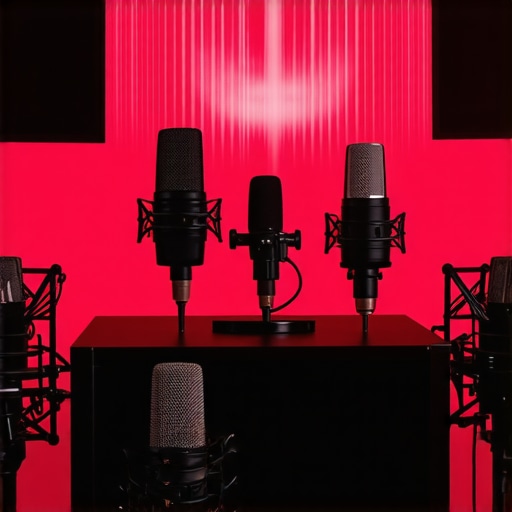
Best USB & Shotgun Microphones for Creators in 2025: Voice Clarity Tips

Ever sat down to record or stream, only to realize your voice sounds flat, muffled, or just plain off? I’ve been there—frustrated, fiddling with settings, thinking I had the right gear, but still ending up with subpar audio that made my content less engaging. That lightbulb moment hit me hard: the microphone isn’t just a gadget; it’s the voice of your content. If your audio isn’t crystal clear, your message gets lost, and viewers tune out faster than you can say “buffering.”
Why Voice Clarity Matters More Than Ever in 2025
In 2025, audio quality isn’t just a nice-to-have. It’s a must. With the rise of short-form videos, podcasts, and live streams, your voice needs to cut through the noise—literally. According to a recent study by WIPO, content consumption is shifting toward more personal, authentic media, which means your voice has to sound as natural and clear as if you’re right there in the room. Choosing the right microphone can be the difference between sounding professional or amateurish. But here’s the catch: not all microphones are created equal, and what worked last year might not cut it now.
Is Dropping Hundreds on Microphones Just a Fad?
Early in my journey, I made the mistake of thinking that the most expensive gear automatically meant better sound. Turns out, that’s not always true. I bought a high-end shotgun mic, only to realize it picked up way too much background noise and required a complex setup. The key is understanding what your specific needs are and how to optimize your gear—something I learned the hard way. Today, I’ll guide you through picking the best USB and shotgun microphones for 2025, so you can avoid my mistakes and get voice clarity that truly makes your content shine. Want to know how to avoid unnecessary spending and still get pro-quality sound? Keep reading.
Let’s dive into what makes a microphone truly worth your investment and how to set it up for maximum clarity. Whether you’re a beginner or looking to upgrade your existing setup, I’ve got practical tips and top picks to help you sound your best. Ready to transform your voice quality? Let’s go!
Choose the Right Microphone for Your Needs
Start by assessing your recording environment and content style. For most creators, a high-quality USB microphone offers simplicity and excellent sound quality. If you’re producing professional podcasts or streaming from a controlled studio space, a shotgun or XLR microphone might be better. I once bought a top-tier shotgun mic expecting perfection, but it picked up too much background noise in my cluttered home studio. That experience taught me to match gear with environment—check out this guide for top picks for 2025.
Test and Compare Microphones Before Committing
Don’t skip testing your mic in your actual recording space. Use a simple setup and record short clips, then listen carefully. I once borrowed a shotgun mic for a demo, and it sounded terrible because it picked up echoes in my room. I adjusted placement and used a pop filter, which made a huge difference. For detailed reviews and top recommendations, visit this resource.
Optimize Your Microphone Placement
Proper placement is critical. Position your mic about 6-12 inches from your mouth, slightly off to the side to avoid breathing noises. Use a boom arm or adjustable stand for flexibility. I once kept my mic directly in front of my face, which caused plosive sounds. Moving it a few inches away and angling it downward solved the problem. Check out this guide for detailed setup tips.
Control Your Environment for Better Clarity
Reduce echo and background noise with simple acoustic treatments—foam panels, rugs, or bookshelves. I experimented with hanging blankets behind me, which noticeably improved clarity. For more environment tweaks, see this article. Remember, even the best mic can’t fix a noisy room.
Set Up Your Audio Properly
Use dedicated recording software and set the input gain correctly—too high causes distortion, too low makes you sound distant. I once recorded with gain cranked up, and my voice was distorted beyond recognition. Lowering the gain and adding a noise gate in editing helped clean up the sound. For detailed software tips, check this guide.
Use Post-Processing to Enhance Voice Clarity
Final touches matter. Apply EQ to boost clarity around 3-5kHz and reduce muddiness. A gentle de-esser can cut harsh sibilance. I add subtle compression to even out volume. These steps make your voice sound professional. For more in-depth editing tips, visit this resource.
By following these concrete steps—selecting the right mic, testing, placement, environment control, proper setup, and post-processing—you’ll significantly improve your voice clarity in 2025. Clear voice equals engaging content, so invest time in mastering these techniques and watch your audience grow.
Many creators fall into traps when it comes to choosing and setting up microphones, believing some misconceptions that can hinder their audio quality. Let’s dig deeper into the nuances that often go unnoticed and clarify what truly makes a difference for voice clarity in 2025.
Why Bigger Isn’t Always Better for Microphones
A widespread myth is that larger microphones, like massive condenser mics, automatically deliver superior voice clarity. While size can influence capturing depth and richness, it doesn’t guarantee clarity. Often, creators overlook that the environment, placement, and settings matter more than the mic’s physical dimensions. For example, a compact USB mic with proper placement and environment control can outperform a bulky studio condenser in a noisy room. The key lies in understanding the specific needs of your setup and choosing accordingly. For detailed top picks and comparisons, check out this guide.
Beware the Environment Trap
Many assume that a high-quality mic can overcome poor room acoustics. This is a trap that can lead to disappointment. Even the priciest mic won’t fix a room with echo, background noise, or reflections. Investing in acoustic treatments like foam panels or diffusers is often overlooked, yet it’s crucial for capturing pristine voice clarity. I’ve seen creators spend hundreds on premium mics, only to be frustrated because their voice still sounded muffled or echoey. Remember, environment control amplifies the mic’s capabilities. For practical tips, see this article.
Is High Sensitivity Always Better?
Many believe that a microphone with higher sensitivity will pick up every nuance of their voice, leading to better clarity. In reality, overly sensitive mics can also amplify unwanted noise and room reflections, making post-production editing more challenging. The secret is to match mic sensitivity with your environment and use proper gain staging. A less sensitive mic with a good directional pattern can focus on your voice and reject background sounds. This is especially important for streaming and podcasting where background noise is inevitable. For expert recommendations, visit this resource.
Have you ever fallen into this trap? Let me know in the comments. By understanding these hidden nuances and avoiding common misconceptions, you can significantly improve your voice clarity and make your content sound truly professional. Remember, the right gear combined with environment awareness and proper setup is what really enhances your voice in 2025 and beyond.
Once you’ve chosen the perfect microphone and optimized your environment, the next crucial step is ensuring your gear remains in top shape over time. Regular maintenance not only preserves voice clarity but also extends the lifespan of your equipment, saving you money and headaches down the line. In the fast-evolving world of content creation, staying ahead means keeping your tools reliable and performing at their best.
How do I keep my microphone performing flawlessly over the years?
Start with routine cleaning. Dust and debris can accumulate on your microphone’s grille and connectors, degrading sound quality and potentially damaging sensitive components. Use a soft, lint-free cloth for the exterior, and gently brush out the grille with compressed air or a soft brush designed for electronics. For XLR or shotgun mics, ensure the connectors are free of corrosion—consider using contact cleaner sparingly to keep connections pristine.
Next, protect your gear from environmental factors. Humidity and temperature fluctuations can cause internal condensation or component fatigue. Keep your microphones in a dry, stable environment—ideally in a dedicated storage case with silica gel packs to absorb moisture. If you’re traveling or recording on the go, invest in a rugged, padded case that cushions against shocks and bumps.
Software updates and firmware patches are often overlooked but essential. Manufacturers frequently release updates that improve performance, fix bugs, or enhance compatibility with new recording software. Regularly check the manufacturer’s website or subscription service for these updates—it’s a small step that can significantly boost your long-term experience.
Calibrating your microphone periodically also makes a difference. Over time, your setup might drift slightly due to environmental changes or hardware aging. Use calibration tools or reference recordings to ensure your mic still captures voice with the intended clarity. Some advanced models offer built-in calibration features; otherwise, a simple test recording in a controlled environment can help you detect subtle changes.
In terms of tools, I recommend keeping a few essentials handy: a microfiber cloth, contact cleaner for connectors, a small brush for grille maintenance, and a portable dehumidifier if you often record in humid environments. These simple tools help maintain peak performance without breaking the bank.
Looking ahead, the trend is moving toward smart microphones with self-diagnostic capabilities that alert you when maintenance is needed. As this technology matures, expect AI-driven monitoring to become standard, making maintenance even more straightforward and proactive.
For now, try integrating a monthly check-up routine—clean your gear, update firmware, and run calibration tests. It’s a small investment of time that guarantees your voice stays crisp and clear in the long run. Remember, a well-maintained mic is the foundation of professional-quality content, and keeping it in top shape will pay dividends as your audience grows and your projects evolve.
Ready to take your microphone maintenance to the next level? Start with a thorough cleaning session this week, and see how much clearer your voice recordings become. A few simple steps today can keep your setup performing perfectly for many years to come.
The Hardest Lesson I Learned About Voice Clarity
One of the toughest truths I encountered was realizing that even the most expensive microphone can fall short if the environment isn’t right. I once invested in a top-tier shotgun mic, only to find out it amplified room echo and background noise. The lesson? Gear alone isn’t enough; understanding your space and setup makes all the difference.
3 Myths About Microphone Quality That Held Me Back
For a long time, I believed that bigger microphones always meant better voice clarity. It’s simply not true. I also thought that high sensitivity was always beneficial, but in noisy environments, it just picked up more unwanted sounds. The real secret is matching your mic to your environment and needs, not just chasing high-end gear.
What Experts Won’t Tell You About Maintaining Your Microphone
Many creators overlook the importance of routine maintenance. Regular cleaning, firmware updates, and calibration are vital to keep your gear performing at its best. A simple monthly check can preserve voice clarity and extend your equipment’s lifespan, saving you frustration and money in the long run.
My Essential Toolkit for Voice Microphone Setup
I rely on a microfiber cloth for cleaning, compressed air for the grille, contact cleaner for connectors, and a sturdy mic stand. These tools are affordable but crucial for maintaining top voice quality. Additionally, I trust resources like this guide for the latest recommendations on microphones that deliver clarity in 2025.
Fuel Your Progress and Elevate Your Voice Clarity
Now, it’s your turn to take action. Start by evaluating your current setup and environment. Experiment with mic placement, and don’t shy away from investing in acoustic treatments. Remember, consistent maintenance and upgrading your knowledge can turn your voice recordings into professional-grade content. Your audience will notice the difference when you prioritize clarity and quality—so go ahead and make it happen! Have you ever struggled to find the right microphone placement? Let me know below.
One response to “Best USB & Shotgun Microphones for Creators in 2025: Voice Clarity Tips”
About Me

Chesung Subba
Author/Writer
Hello, I'm Chesung Subba, a passionate writer who loves sharing ideas, stories, and experiences to inspire, inform, and connect with readers through meaningful content.
Follow Me
Connect with me and be part of my social media community.
Leave a Reply