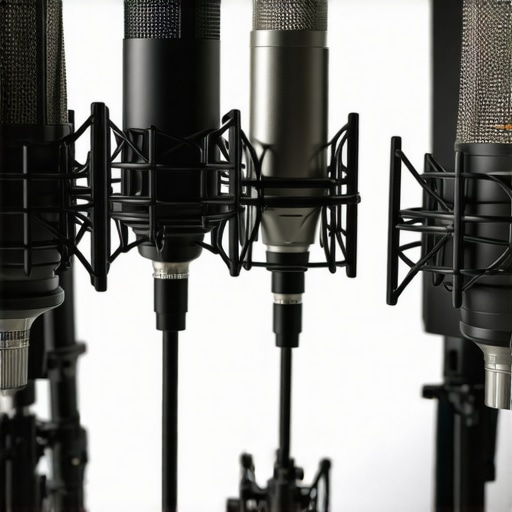
Top XLR & Podcast Microphones for Voice Recording in 2025: Ultimate Guide

Have you ever sat in front of your mic, voice trembling, trying to record that perfect podcast intro, only to be met with a muffled, distant sound that ruins the vibe? I’ve been there. I remember spending hours testing different microphones, frustrated because nothing seemed to capture my voice the way I wanted. That lightbulb moment hit me hard when I realized I was choosing the wrong gear for my setup. And honestly, it’s a mistake I see many creators make early on.
Why Picking the Right Microphone Changes Everything
Let’s face it: Your voice is your brand. Whether you’re podcasting, streaming, or creating content, the quality of your audio can make or break your audience’s experience. In 2025, the market is flooded with options, from USB mics to professional XLR setups, each promising stellar sound. So, how do you cut through the noise and find the perfect match? That’s what we’re diving into today. I’ll help you avoid common pitfalls and guide you toward gear that truly elevates your voice.
Is High-End Microphone Overkill for Beginners?
I used to think I needed the most expensive gear right away. Turns out, I wasted money on a fancy mic that I barely knew how to set up. A costly mistake! The truth is, understanding your needs and environment is key. You don’t have to break the bank to get professional-sounding audio. I’ll show you some top picks that balance quality and affordability, and explain why sometimes a simpler setup works best. You can check out our best voice recording microphones for creators to get started.
But before we get into specific models, let’s address your biggest fears about investing in the right microphone. Are you worried about compatibility? Or maybe you’re unsure if an XLR setup is worth the hassle? Stay tuned. I’ve made those same mistakes, and I’ll help you sidestep them with practical advice and real-world tips. Ready to transform your voice quality and sound professional? Let’s go!
Choose the Right Microphone Type
Start by deciding between a USB or XLR microphone. USB mics are plug-and-play, ideal for beginners, while XLR microphones offer superior sound quality but require additional gear like audio interfaces. I once started with a USB mic, but after upgrading to an XLR model and an audio interface, my recordings sounded noticeably richer and more professional. For detailed comparisons, check out our ultimate guide to USB and XLR microphones.
Assess Your Recording Environment
Identify your space’s acoustics. Hard surfaces cause echo, while soft materials like foam or blankets absorb unwanted noise. I once recorded in a bare room and battled echo; adding foam panels drastically improved clarity. Use a simple room treatment to enhance your mic’s performance. For tips on optimizing your space, visit top XLR voice recording microphones.
Invest in Quality Accessories
Get a sturdy microphone stand, a pop filter, and good cables. A pop filter prevents plosive sounds from ruining your recordings—a must-have for voice work. I learned this the hard way when pops caused clipping, but switching to a pop filter cleaned up my audio instantly. These accessories are inexpensive but make a significant difference. For recommended gear, explore top XLR microphones for creators.
Set Up Properly for Clear Voice Capture
Position your mic about 6-12 inches from your mouth, slightly off-axis to avoid breath noise. Use a shock mount if possible to prevent vibrations. During my first sessions, I kept the mic too close, causing proximity effect and muffling my voice. Adjusting the distance and angle improved clarity. Experiment with placement until your voice sounds natural and professional. For detailed mic setup tips, see ultimate guide to XLR microphone setup.
Test and Tweak Settings
Use your recording software’s gain controls to find the sweet spot—loud enough but without distortion. I once recorded too hot, causing clipping, then lowered the gain for cleaner sound. Enable monitoring to listen in real-time and make adjustments. Record test clips, compare, and refine your settings. For software tips, see voice recording setup tips.
Regular Maintenance and Upgrades
Keep your mic and accessories clean, check cables for wear, and upgrade components as needed. I replaced my old XLR cable after noticing noise, which improved my recordings. Staying proactive ensures consistent quality. Keep an eye on the latest gear reviews, like those found in our top XLR microphones for creators.
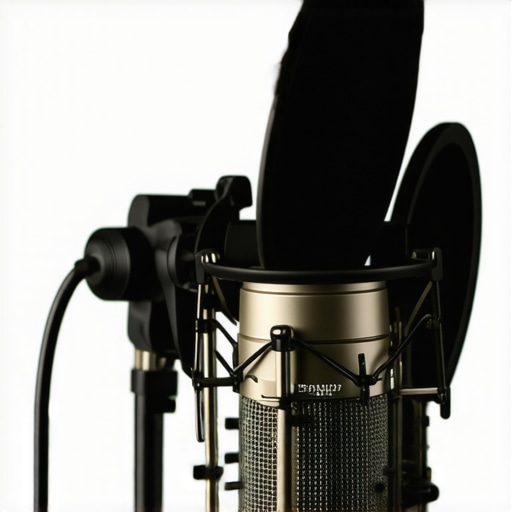
Many aspiring content creators believe they need the most expensive microphone or complex setup to achieve professional sound quality. However, this is a misconception that can lead to costly mistakes and unnecessary frustration. Let’s dig deeper into some of the most common myths about microphones and uncover the hidden nuances that can elevate your audio game.
Why Bigger Isn’t Always Better for Your Setup
One prevalent myth is that investing in a high-end, professional XLR microphone automatically guarantees superior sound. While these mics are capable of delivering exceptional quality, many creators overlook the importance of proper setup, environment, and technique. An expensive microphone used in a noisy room or with poor positioning can still produce subpar audio. According to audio engineer David Bock, mastering basic recording techniques can often have a greater impact than the microphone itself. Check out our ultimate guide to XLR microphone setup for advanced tips.
The Trap of Over-Complicating the Gear
Another mistake I see frequently is over-complicating the gear. Creators often believe they need special accessories, like elaborate shock mounts or the latest pop filters, to sound professional. While these can help, they are not mandatory if you focus on proper microphone placement and room treatment. For example, a simple foam panel can dramatically reduce echo and background noise, which are more detrimental than the mic’s specs. Avoid falling into the trap of thinking more gear automatically equals better quality. You can explore top picks that balance simplicity and performance in our best voice recording microphones.
Addressing the Advanced Question: Is a High-Quality Microphone Enough to Guarantee Clarity?
For advanced creators, a common question is whether investing in a top-tier microphone is enough to guarantee clarity and professional sound. The answer is no. Even the best microphone requires careful setup, proper room acoustics, and sound processing. As audio expert Ethan Winer notes, “The room and mic technique matter just as much as the equipment.” This means that understanding how to position your mic, control your gain, and treat your environment are critical steps. For comprehensive guidance, see our ultimate guide to voice recording setup.
Have you ever fallen into this trap? Let me know in the comments. Remember, mastering your environment and technique often beats simply upgrading your gear. Don’t let myths hold you back from sounding your best!
Once you’ve invested in the perfect microphone setup, the next crucial step is to keep it functioning at peak performance over time. Regular maintenance and choosing the right tools can extend the lifespan of your gear, ensure consistent sound quality, and save you money in the long run. As someone who’s spent years working with various microphones, I’ve learned firsthand the importance of diligent upkeep and strategic upgrades.
How do I maintain my microphone gear over time?
Maintaining your microphone involves more than just occasional cleaning. It’s about developing a routine that includes cleaning your equipment, inspecting cables, and updating components when necessary. I personally use a soft microfiber cloth to wipe down my microphone body weekly, removing dust and fingerprints that can affect sound quality. For cables, I check for wear and tear, replacing any that show signs of damage to prevent noise and connection issues. Regularly testing your gear with a calibration microphone helps identify any degradation in sound clarity early on.
Investing in quality accessories is equally important. A shock mount, for example, minimizes vibrations and handling noise—something I learned the hard way when my mic picked up every bump during recording. You can explore our top shotgun mics and XLR microphones for professional voice recording to find compatible upgrades that suit your setup.
Tools I recommend for reliable mic upkeep
For cleaning, I swear by a gentle, alcohol-free electronics cleaner and a soft brush to remove dust from grille meshes. When replacing cables, I choose high-quality gold-plated XLR connectors, like those from Mogami, because they resist corrosion and maintain a solid connection over time. For protecting against humidity and dust, I use a sealed mic box with desiccant packets—especially helpful in humid environments.
Additionally, software plays a vital role in maintaining sound quality. I use Reaper for its detailed gain controls and real-time monitoring features, which help me catch and fix issues immediately. Regularly updating your audio drivers and firmware from your microphone manufacturer can also prevent bugs and improve compatibility with new recording software. For comprehensive setup advice, take a look at our ultimate guide to XLR microphone setup.
Looking ahead: the future of mic maintenance and upgrades
As technology advances, I predict that smart microphone systems with built-in diagnostics and self-cleaning features will become standard, reducing maintenance efforts. Additionally, modular microphones that allow easy swapping of internal components could extend the life of your gear even further. Staying proactive with regular checks and adopting new tools will keep your audio setup ahead of the curve.
If you haven’t already, try implementing a monthly cleaning routine with the tools I mentioned. Consistency is key to ensuring your microphone continues to deliver professional-quality sound for years to come. Remember, investing a little time in maintenance now saves you from costly repairs or replacements later. Happy recording!
Over the years, I’ve realized that the secret to crystal-clear voice recordings isn’t just about owning high-end gear but mastering the subtle art of setup and maintenance. One lesson that truly changed my perspective was understanding that even the most expensive microphone can underperform without proper positioning and environment control. It’s a lightbulb moment that I want to share—your environment and technique often trump the gear itself.
Another insight I’ve gained is the danger of over-complicating your setup. Many creators fall into the trap of thinking that elaborate accessories or the latest tech will instantly upgrade their sound. In reality, simple room treatment and correct mic placement are often enough to produce professional quality. It’s about focusing on what truly matters and avoiding unnecessary expenses that don’t add value.
Finally, I learned that ongoing maintenance is crucial. Regular cleaning, cable checks, and thoughtful upgrades extend your gear’s lifespan and ensure consistent quality. Investing in tools like a microfiber cloth, high-quality cables, and software for calibration has made a tangible difference. These small steps keep your microphone performing at its best, saving you time and money in the long run.
My Essential Tools and Resources for Better Voice Recording
For reliable microphone upkeep, I rely on a gentle electronics cleaner and microfiber cloth to keep my gear dust-free. High-quality XLR cables from brands like Mogami resist corrosion and provide stable connections. I also use comprehensive guides on setup to fine-tune my recording environment and tech. These resources have helped me troubleshoot issues quickly and improve my overall sound quality.
When it comes to learning more, books like Recording Studio Design by Philip Newell have deeply influenced my understanding of acoustics and placement. Additionally, following trusted blogs and forums dedicated to audio engineering offers ongoing tips and community support that keep me motivated and informed.
Keep Your Voice Sharp and Your Gear Ready
Now that you know the value of setup, maintenance, and trusted resources, it’s time to take action. Your voice is your most powerful tool—nurture it by ensuring your microphone setup is optimized and well-maintained. Remember, mastering your environment and technique often makes more difference than upgrading your gear.
What’s one small tweak you can make today to improve your microphone setup? Share your thoughts below—I’d love to hear your story!
2 responses to “Top XLR & Podcast Microphones for Voice Recording in 2025: Ultimate Guide”
Reading through this guide really resonated with my own experience in setting up a home studio. I used to think that having the most expensive mic would automatically guarantee professional sound quality — only to find out that poor placement and room acoustics sabotaged my efforts. Now, I focus more on environment and technique, which has made a huge difference.
One tip I’ve found helpful is investing in a simple DIY acoustic treatment, like using blankets or foam panels, instead of splurging on complicated gear. It’s surprising how much better the audio sounds with just some basic room adjustments. I’m curious, has anyone experimented with software-based room correction? Sometimes, I wonder if tools like that could help even out acoustics without physical modifications.
This post really hit home for me, especially the part about environment and setup. I’ve spent quite a bit on high-end microphones, but I’ve found that proper positioning and room treatment make more difference than gear alone. One thing I’d add is the importance of mic technique and consistent practice—getting used to your specific setup can really unlock better sound quality. Also, I’ve tried some software room correction tools like IK Multimedia’s ARC System, and I think they can be quite effective if used correctly, especially in less ideal spaces.
Has anyone else experimented with AI-driven room correction or software-based acoustic tuning? I’d be interested to hear if that’s a worthwhile investment or just a gimmick. Sometimes, a combination of good physical setup and smart software can really elevate your audio without breaking the bank. What’s been your experience with these tools in creating professional-sounding recordings?


About Me

Chesung Subba
Author/Writer
Hello, I'm Chesung Subba, a passionate writer who loves sharing ideas, stories, and experiences to inspire, inform, and connect with readers through meaningful content.
Follow Me
Connect with me and be part of my social media community.
Leave a Reply