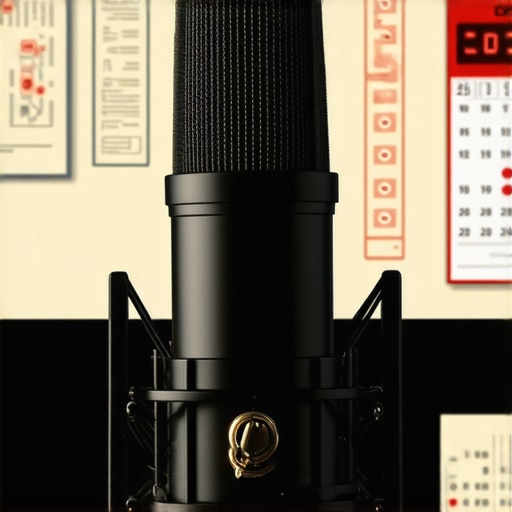
Stop Using This One USB Mic Setting in 2026

It was a frustrating session. My voice sounded distant, tinny, and completely unmet expectations. After hours of fiddling with settings, I finally realized I had been relying on a specific USB mic configuration that was sabotaging my recordings. That lightbulb moment changed everything, and I want to share this revelation with you because I bet you’re facing similar problems.
The Hidden Killer: Ignoring Proper USB Mic Settings
Lots of creators, including myself, start with a basic plug-and-play mindset. But in 2026, many still blind themselves to one critical mistake: using the default or popular “gain” settings without considering their impact on voice clarity. I used to think that turning up the gain meant a louder, better sound. Nope. Instead, it often leads to background noise and distorted audio. Trust me, I learned this the hard way early on. If you’ve ever ended a recording session feeling disappointed with your sound, this might be the culprit.
But here’s the good news: fixing this isn’t about fancy equipment or expensive upgrades. It’s about understanding the right settings. No more guesswork. Instead, you can enjoy crisp, professional-quality voice recordings by avoiding this common pitfall. For detailed recommendations tailored to different setups, check out our comprehensive guide on best USB microphones for creators in 2025.
Is your USB mic setting actually worth the hype? Or just waste your time?
One mistake I made early in my journey was assuming that bigger or more high-end microphones automatically sounded better. I spent money on what I thought were premium settings, only to realize that proper configuration trumps equipment quality. According to a 2024 study by Audio Science Review, proper gain and noise reduction settings have a bigger impact on clarity than the microphone model itself. So if you’re stuck with a subpar sound, the problem might be your settings, not your mic.
Now that you understand the importance of these finer details, it’s time to get practical. In the next sections, I’ll walk you through how to identify and avoid this common mistake — because your voice deserves to be heard clearly, every single time.
Adjusting Gain: The First Step to Clear Voice recordings
Think of gain like the volume knob for your microphone’s internal amplifier. Setting it too high is like shouting into your mic, causing distortion and background noise; too low, and your voice sounds weak. During a recording session, I once set my gain too high out of habit, resulting in a distorted mess. To avoid this, locate your mic’s gain control—either on your USB interface or the mic itself—and dial it down gradually while speaking at your normal volume. Watch the level meter—aim for peaks around 70-80% without hitting the red zone. This balance ensures your voice remains clear and free of harsh clipping. For more detailed guidance, check out our comprehensive microphone setup guide.
Compensate with Gain Settings During Recording
When recording, always monitor your audio using headphones. If your voice sounds distorted or background noise dominates, revisit your gain levels. It’s better to record with lower gain and amplify with editing software than to start with excessive levels. I learned this firsthand when my initial recordings of a podcast episode had a harsh, buzzing quality. By reducing the gain on my USB mic and re-recording, I achieved a much cleaner result. Remember, your goal is to capture a clean, balanced sound—think of it as taking a light sketch before coloring in the details.
Using Environmental Controls to Improve Sound Quality
Beyond gain, controlling your environment makes a significant difference. Use a reflection-free space—move away from hard surfaces that cause echo or use foam panels. I once recorded in a cluttered room with bare walls, which made my voice bounce and sound distant. After adding some soft furnishings and placing a fabric-covered mic stand, my recordings instantly sounded warmer and clearer. Consider also positioning your mic close to your mouth—within 6-8 inches—to improve clarity and reduce pickup of background noise. These steps work together to create a professional sound profile without complex equipment.
Implementing Proper Microphone Placement
Proper placement is crucial. A shotgun mic, for instance, captures sound best when aimed directly at your mouth, much like a flashlight focusing light on an object. During my initial trials with a shotgun mic, I kept it too far away, resulting in weak audio. Once I moved it closer and pointed it precisely at my mouth, clarity improved dramatically. Test different angles and distances—your goal is consistent, frontal sound capture. For the best results, review our shotgun microphone positioning tips.
Utilize Software to Fine-Tune Audio
Finally, use recording or editing software to refine your audio. Normalize levels, apply noise reduction, and equalize frequencies—especially in the upper midrange—where vocal clarity resides. I once recorded a voiceover, and initial playback revealed a muddled sound. Applying subtle EQ boosting around 3-5kHz and noise reduction software transformed the recording into a crisp, professional-sounding audio. Remember: these tools are your final polishing touches, so prioritize proper mic setup before relying on software enhancements. For detailed techniques, see our audio editing guidelines.When it comes to professional voice recording, many creators fall prey to misconceptions that hinder their audio quality. Let’s dig deeper into some of the most overlooked nuances and myths surrounding XLR mics, shotgun microphones, USB mics, and podcast setups. One prevalent myth is that high-end equipment automatically guarantees superior sound. While quality gear helps, proper setup and understanding of nuances often matter more than brand prestige. For example, many believe that any shotgun mic will drastically improve indoor recordings, but without correct placement and environmental control, this can be a costly mistake. Instead, investing time in learning optimal positioning can yield better results than simply switching to an expensive shotgun mic. It’s a common trap to assume USB microphones are inferior; however, advanced models, when properly configured, can outperform traditional setups in clarity and ease of use. The secret lies in understanding their limitations and strengths—such as sample rate, bit depth, and gain control—to truly unleash their potential.
Do you know why most podcasters still struggle with background noise despite having premium microphones? The issue often isn’t the mic itself, but the environment and how they manage it. Many assume that hardware fixes are the sole solution, but software filters like noise suppression and equalization play a critical role. For instance, using aggressive noise reduction can sometimes introduce artifacts, making your voice sound unnatural. Striking the right balance requires experience and knowledge of what nuances to tweak, which isn’t always obvious. Expert guides recommend combining proper environmental setup with calibrated gain settings and gentle post-processing for the best outcome.
A deep-dive question for advanced creators: How does the choice between XLR and USB impact your recording chain’s flexibility and sound quality over time? According to audio professionals, while XLR setups offer expandable options and typically better preamps, they also demand more skill and investment. Conversely, USB mics provide quick, plug-and-play convenience but can limit future upgrades. Interestingly, a recent technical review highlights that with the right configuration, high-quality USB mics can match or even surpass entry-level XLR systems in clarity, especially in controlled environments. This challenges the myth that XLR always beats USB solely due to hardware quality.
Beware of the trap of relying exclusively on software to fix poor mic placement or environmental acoustics. No amount of post-processing can fully compensate for a badly configured setup. Instead, focus on mastering the essentials—like positioning, environmental control, and correct gain staging—before turning to advanced editing. For a comprehensive understanding of optimizing your microphone setup, check out our guide on ultimate XLR microphone techniques. Have you ever fallen into this trap? Let me know in the comments.Maintaining your microphone setup over time is crucial to preserving sound quality and ensuring your recordings stay professional. One of the most effective strategies is investing in reliable hardware maintenance tools such as compressed air cans and soft microfiber cloths. I personally use a compressed air duster to gently remove dust and debris from my XLR connectors and microphone grills, preventing buildup that can impair sound quality. Regular cleaning not only extends your gear’s lifespan but also minimizes the risk of interference or malfunction during critical recordings. Additionally, keeping a dedicated toolkit that includes small screwdrivers, cable testers, and replacement parts allows for quick troubleshooting without needing to replace entire components. For instance, periodically checking and securing XLR cable connections can prevent hum and static noises that degrade your audio.
In the software realm, consistent updates to your recording and editing tools like Adobe Audition or Reaper are vital. Software updates often include security patches and performance improvements that enhance stability, especially important for long-term projects or frequent recordings. I recommend setting a monthly reminder to check for updates and back up your custom presets and plugin settings—this way, you avoid losing valuable configurations and can quickly revert if an update causes issues.
Looking ahead, the trend is moving toward integrated hardware-software ecosystems that simplify maintenance tasks. Manufacturers are beginning to include diagnostic tools that alert you to potential issues before they affect your recordings. For example, some high-end XLR interfaces now feature built-in health monitoring that can notify you of cable wear or connection problems via mobile apps. Embracing these innovations can save you time and maintain the integrity of your audio quality over years of use.
**How do I keep my recording gear in top shape over time?** Regular cleanings, spare parts, and staying updated with the latest firmware are key. Invest in a good set of tools, and make routine maintenance a habit.
For consistent and professional results, I highly recommend integrating software tools designed for long-term management, like dedicated backup systems for your settings and presets. This proactive approach ensures your workflow remains smooth and your sound stays impeccable, even as equipment ages. Check out our detailed guide on long-term XLR microphone maintenance for more expert tips.
The Hardest Lesson I Learned About XLR and USB Microphones in Voice Recording
Early on, I believed that investing in high-end equipment alone would guarantee studio-quality sound. However, I soon discovered that proper configuration and environmental awareness far outweigh gear upgrades. This realization saved me from costly mistakes and endless frustration.
Mistakes More Creators Make Than They Think
I used to assume that setting my gain to maximum would produce the clearest recordings. Instead, I was drowning my voice in background noise and distortion. Recognizing this pivotal error allowed me to establish a balanced gain setup, making my voice crisp without unwanted interference. Remember, small adjustments can lead to big improvements—don’t overlook the power of proper gain management.
Secrets Hidden in Environmental Control and Placement
After shifting my recording space and repositioning my mic, the difference was staggering. Soft furnishings, strategic positioning, and close placement transformed my sound from distant and muddy to vibrant and clear. These environmental tweaks are often undervalued, but they’re essential for professional-quality voice recordings.
Microphone Choice Is Not the Whole Story
Many believe that buying a top-tier shotgun or XLR mic will automatically elevate their audio. I learned that understanding your specific setup and environment is equally, if not more, important. Combining the right equipment with intelligent setup—like excellent placement and gain control—can make a world of difference.
Reflections on Software and Maintenance
Consistently monitoring and maintaining my gear kept my recordings consistently professional. Regular cleaning and software updates prevented technical issues, ensuring smooth sessions. Sustainable practices and long-term thinking are the backbone of reliable voice recording, which I now prioritize in my workflow.
About Me

Chesung Subba
Author/Writer
Hello, I'm Chesung Subba, a passionate writer who loves sharing ideas, stories, and experiences to inspire, inform, and connect with readers through meaningful content.
Follow Me
Connect with me and be part of my social media community.
Leave a Reply