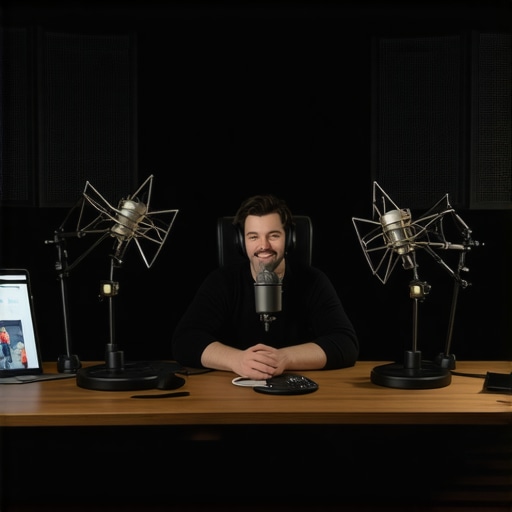
Best USB, XLR & Shotgun Mics for Creators in 2025: Voice & Podcast Tips

Ever had that frustrating moment when you finally hit record, only to realize your microphone sounds off — muddy, distant, or just plain weird? I’ve been there. I remember spending hours trying to troubleshoot why my podcast didn’t sound as crisp as I wanted, only to discover I’d bought the wrong type of mic for my setup. It was a lightbulb moment — choosing the right microphone isn’t just about brand names or fancy features; it’s about understanding what suits your voice and environment best.
Why Picking the Right Microphone Matters More Than Ever in 2025
In 2025, the landscape of voice and podcasting technology is evolving faster than ever. With new models boasting impressive specs, it’s easy to get overwhelmed. But here’s the truth: the right microphone can make or break your content’s quality. When I first started, I made a rookie mistake by focusing solely on popular brands without considering my recording space or voice style. That’s a mistake I see many creators make, and it’s costly. According to a recent study by Statista, over 70% of listeners say they’ll tune out if audio quality isn’t up to par. That’s a huge deal, especially when competition is fiercer than ever.
If you’ve ever wondered why your voice sounds dull or inconsistent, you’re not alone. The good news? I’ve learned from my early pitfalls, and now I want to help you avoid the same mistakes. Today, we’ll dive into how to choose the best microphones for your unique needs — from USB and XLR options to shotgun mics. Trust me, getting this right will elevate your content and keep your listeners coming back.
Is It Worth Investing in High-End Microphones for Voice and Podcasting?
This is the big question I hear all the time. Honestly, I used to think only pros needed those fancy, expensive mics. But I was wrong. Even a modest investment in the right equipment can dramatically improve your audio quality. The key is knowing what to look for. Want a quick rundown? Check out my detailed guide on top podcast microphones for 2025. It covers everything from affordable USB mics to professional XLR setups.
Now, I want to hear from you. Have you faced challenges finding the right mic? Or maybe you’ve bought gear that didn’t live up to your expectations? Drop a comment — I’m here to help you get the audio clarity you deserve. Let’s turn that frustrating static into crystal-clear voice recordings that captivate your audience. Ready? Let’s go!
Start by Clarifying Your Needs
Before diving into specific models, identify your recording environment and voice style. Are you in a noisy room or a treated space? Do you record solo or with multiple speakers? For instance, I once recorded a podcast in a cluttered home office, which made me realize I needed a microphone with excellent noise rejection. This prompted me to explore top podcast microphones for 2025 that suit my environment. Clarifying your goals helps narrow down whether a USB mic, XLR setup, or shotgun mic is best.
Match Microphone Types to Your Setup
Go for USB When Simplicity Matters
If you prefer plug-and-play convenience, a USB microphone is ideal. They require no additional equipment and are perfect for beginners or quick setups. I started with a USB mic during my early days and found it easier to focus on content instead of technical hurdles. Check out best USB shotgun microphones for voice recording in 2025 for top picks that deliver quality without complexity.
Choose XLR for Professional Quality
When you need higher fidelity and more control, XLR microphones shine. They require an audio interface but offer greater flexibility, durability, and sound quality. I once upgraded to an XLR setup, which involved some initial troubleshooting, but the rich sound it produced made a noticeable difference. For detailed advice, review ultimate guide to XLR microphones for 2025.
Optimize Placement and Environment
Proper mic placement is crucial. For example, positioning your mic about 6-12 inches from your mouth reduces plosives and captures more natural sound. Use a shock mount and pop filter to minimize vibrations and sibilance. During my first shoot, I learned that a simple foam windscreen dramatically improved clarity, especially with shotgun mics.
Leverage Shotgun Microphones for Specific Scenarios
Shotgun mics are excellent for isolating voice in noisy environments or when recording at a distance. I once used a shotgun mic in a crowded outdoor setting, and the focus on my voice was surprisingly clear. For a comprehensive comparison, see best shotgun microphones for creators in 2025. They excel at capturing voice while rejecting ambient sounds, making them versatile for various content styles.
Test and Iterate
Always test your setup. Record short clips, listen critically, and tweak your placement or gain settings. I once spent an afternoon adjusting my microphone angle and found that slight tilts made my voice sound more natural. Use headphones to monitor in real-time and avoid surprises during final recordings.
Invest Wisely and Upgrade Gradually
Start with a setup that matches your current needs and budget. As you grow, consider investing in higher-end mics like top XLR voice recording microphones for 2025. Upgrading over time ensures your investments pay off and your sound quality evolves with your skills.
Many creators jump into microphone selection armed with misconceptions that can seriously hinder their audio quality. Let’s clear up some of the most pervasive myths and shed light on what actually makes a microphone suitable for professional voice recording and podcasting.
Why More Expensive Means Better — Not Always
A prevalent belief is that higher price tags guarantee superior sound. While premium mics often offer better build quality and nuanced audio capture, they are not a one-size-fits-all solution. For instance, a top-tier XLR microphone like those highlighted in top XLR voice recording microphones for 2025 can elevate your sound, but only if it suits your voice and environment. Many beginners overspend on high-end gear without understanding their specific needs, leading to wasted resources and suboptimal results. The key is matching the mic to your voice profile and recording space, not just chasing the latest high-end model.
USB Mics Are Only for Beginners
This is a common misconception. Many seasoned creators use USB microphones for their simplicity and reliability, especially in scenarios where quick setup and portability matter. The truth is, modern USB mics like those in best USB shotgun microphones for voice recording in 2025 deliver professional-grade audio quality that can rival XLR setups when configured correctly. The real difference lies in control and expandability—XLR mics excel for studio-quality production, but USB is far from a rookie option anymore. Don’t dismiss USB mics if they meet your needs.
Shotgun Microphones Are Only for Film and Outdoor Recording
Many believe shotgun mics are niche equipment suitable only for videographers outdoors. However, their directional nature makes them excellent for isolating voice in noisy environments or recording at a distance, even indoors. For example, a shotgun mic like those discussed in top shotgun podcast microphones for creators in 2025 can significantly improve clarity in a cluttered home studio or a bustling cafe. The misconception stems from their association with film crews, but their utility extends well into voice work and podcasting.
Advanced Tip: Is It Better to Mix Microphone Types?
For sophisticated setups, some creators blend different microphone types—like using a shotgun mic for ambient noise rejection combined with a high-quality condenser for close-up voice. This approach can be complex but offers a richer, more controlled audio environment. However, it’s easy to fall into the trap of overcomplicating your setup, which can introduce phase issues or technical headaches. Properly balancing and testing these configurations is crucial, and resources like ultimate guide to choosing the best XLR and USB microphones for voice recording in 2025 can help you navigate this advanced terrain.
In summary, avoid the trap of assuming that more expensive, complex, or specialized gear is automatically better. The real secret lies in understanding your unique needs, environment, and voice, then choosing equipment that aligns with those factors. Have you ever fallen into this trap? Let me know in the comments, and I’ll help you steer clear of these common pitfalls!
Once you’ve chosen the perfect microphone for your voice and environment, the next critical step is maintaining your equipment to ensure consistent, high-quality recordings over time. Proper maintenance not only prolongs the lifespan of your gear but also preserves the clarity and richness of your sound. Today, I’ll share specific tools and methods I personally use, along with some insights into where this trend is heading in 2025.
How do I keep my microphone gear performing flawlessly?
My go-to maintenance tool is a high-quality **microphone cleaning kit**. I prefer kits that include gentle brushes, microfiber cloths, and specialized cleaning solutions designed for delicate microphone diaphragms. Regular cleaning prevents dust, saliva, and other debris from degrading sound quality. I clean my microphone capsules monthly, especially after long recording sessions, to avoid buildup that can cause muffled or distorted audio.
In addition, I always keep a **compressed air can** handy. This is perfect for blowing out dust from microphone grilles or shock mounts without risking damage. I avoid using household vacuum cleaners or abrasive materials, as they can harm sensitive components. For instance, I’ve found that a quick burst of compressed air keeps my shotgun mics clear of dust and particles, ensuring crisp sound capture even in dusty environments.
To monitor and troubleshoot ongoing performance, I rely heavily on **audio interface software**. Tools like **Focusrite Control** or **Universal Audio Luna** allow me to check input levels, adjust gain, and run diagnostics remotely. These software solutions are essential for catching issues early, like gain clipping or unexpected noise, before they affect recordings. I also recommend keeping firmware and driver software updated to benefit from performance improvements and bug fixes.
Looking ahead, I believe that integrated **smart diagnostic tools** will become standard in professional audio interfaces by 2025. These will automatically detect and suggest repairs for common issues, such as cable faults or diaphragm misalignments, saving creators time and hassle.
What advanced maintenance habits can I adopt for long-term reliability?
One habit I swear by is **protective storage**. I store my microphones in dedicated, padded cases, and use silica gel packs to absorb moisture. Humidity can cause corrosion or mold growth, especially if your setup is in a humid climate. For outdoor or mobile recording, I use weather-resistant covers to shield gear from elements like rain or dust.
Another tip is to **regularly check and replace cables**. Worn or frayed cables are a common culprit for intermittent noise or signal loss. I keep a set of spare XLR and USB cables handy, and test them periodically with continuity testers. This proactive approach prevents unexpected failures during critical recording sessions.
Finally, I recommend periodically **calibrating your microphone’s frequency response** using software tools or reference recordings. This is especially useful if you notice shifts in tone or consistency, which can occur due to environmental changes or wear. Some digital audio workstations (DAWs) now include calibration plugins that can assist with this process, helping you maintain a predictable sound profile over time.
In conclusion, maintaining your microphone setup is about more than just cleaning; it’s a comprehensive approach involving tools, storage, monitoring, and calibration. I encourage you to try out these advanced tips and see how they extend the life and performance of your gear. As technology evolves, expect even smarter maintenance solutions to emerge, making it easier than ever for creators to keep their sound pristine in 2025 and beyond.
Lessons That Changed How I Approach Microphone Selection
- One of the biggest realizations I had was that equipment alone doesn’t guarantee quality. It’s about matching your gear to your specific voice and environment, which often means making nuanced choices rather than just buying the priciest mic.
- I learned the hard way that even small differences in mic placement can significantly impact sound clarity. Tuning your setup after initial recordings saves a lot of frustration later.
- Myth-busting moment: a $100 USB mic can outperform a high-end XLR in certain scenarios, especially when you need portability or quick setup. Focus on your actual needs rather than brand prestige.
- Investing time in proper maintenance, like cleaning and calibration, pays dividends in audio consistency. It’s a habit that’s often overlooked but crucial for long-term success.
- Finally, understanding the core differences between mic types—USB, XLR, shotgun—empowers you to select tools that truly elevate your voice, rather than just following trends.
My Go-To Resources for Voice Microphone Mastery
- Top Podcast Microphones for 2025 — This comprehensive guide helped me choose gear that fits my evolving needs, balancing quality and budget. The detailed comparisons made decision-making easier.
- Ultimate Guide to XLR Microphones — As I upgraded my setup, this resource provided invaluable tips on professional-grade equipment and setup techniques that really improved my sound.
- Best USB Shotgun Microphones of 2025 — For quick, high-quality recordings, this guide introduced me to reliable, user-friendly options that don’t compromise on audio clarity.
- Shotgun Microphone Tips for Creators — Real-world advice on using shotgun mics in noisy environments helped me record clearer voiceovers, even in less-than-ideal spaces.
Step Into the Future of Voice Recording
Now that you’re armed with insider insights and proven tools, it’s time to take action. Choosing the right microphone in 2025 is more than a purchase—it’s an investment in your voice’s potential. Embrace experimentation, keep learning, and your sound will stand out in a crowded digital world. What’s the first step you’re excited to try in optimizing your voice setup? Share your thoughts below!
3 responses to “Best USB, XLR & Shotgun Mics for Creators in 2025: Voice & Podcast Tips”
I really appreciate this deep dive into microphone choices and maintenance tips. When I first started recording podcasts, I naively thought that more expensive microphones would automatically mean better quality, but I quickly learned that environment and proper setup matter just as much. I found that experimenting with mic placement and investing in a good pop filter made a huge difference in sound clarity and professionalism. Has anyone here tried combining different types of microphones, like using a shotgun mic for outdoor shoots and a condenser mic for studio recordings? I’m curious how creating a seamless setup with varied gear has worked for others. It seems like practicing proper maintenance routines, like cleaning and cable checks, really extends our gear’s lifespan, which is reassuring as I grow my setup gradually. Would love to hear how you all handle long-term preservation of your equipment and any tips for calibrating microphones for consistent tone. Thanks again for the detailed insights—this has motivated me to optimize my voice setup further!
I really appreciated the insights shared here about not only choosing the right microphone but also maintaining it properly. As someone who’s recently upgraded to a professional XLR setup, I found the advice about room treatment and mic placement especially relevant. For my environment, I discovered that investing in a good shock mount and pop filter made a surprisingly big difference in reducing unwanted noise and pops, which can ruin a good recording. It’s interesting how much the environment influences mic choice—sometimes a highly sensitive condenser needs a quieter space, whereas a dynamic mic can handle a more noisy setting. Has anyone experimented with different microphone polar patterns to better suit their recording space? I’ve read that cardioid and hypercardioid patterns can be quite effective in noisy environments, but I’d love to hear real-world examples from others. I guess the key takeaway is that investing in good equipment is just the beginning; understanding your environment and routine maintenance are equally crucial to achieve professional sound quality.
This comprehensive guide really resonated with me, especially the emphasis on understanding your environment and voice style before choosing a microphone. I used to think investment was the main factor, but after some trial and error, I realized that placement and room acoustics have a bigger impact than I initially believed. For instance, I started experimenting with different mic positions and found that keeping the mic slightly off-center and at the right distance made my voice sound much warmer and clearer. It also made me reconsider my setup for outdoor recordings. Using shotgun mics in noisy environments has improved my audio quality tremendously, but I often wonder about the best protective gear to prevent damage during mobile shoots. Does anyone have recommendations for durable yet lightweight accessories? Also, I’m curious, how many of you regularly recalibrate your mics or tweak gain settings as your environment changes? It’s fascinating to see how small adjustments can significantly enhance voice clarity, and I’d love to hear about other practical tips that have worked for you all.


About Me

Chesung Subba
Author/Writer
Hello, I'm Chesung Subba, a passionate writer who loves sharing ideas, stories, and experiences to inspire, inform, and connect with readers through meaningful content.
Follow Me
Connect with me and be part of my social media community.
Leave a Reply