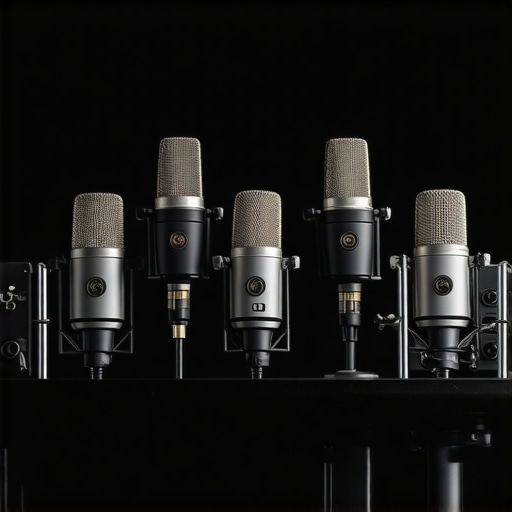
Best USB, Shotgun & XLR Microphones for Creators in 2025: Voice & Podcast Quality

Have you ever sat down to record your latest podcast or voiceover, only to realize your microphone is just not cutting it? I’ve been there—fighting with muffled audio, background noise, or a microphone that just doesn’t seem to capture my voice the way I want. It’s frustrating. You spend hours editing, trying to fix what should have been perfect from the start. That lightbulb moment hit me hard: my gear was holding me back, and I didn’t even realize it.
Why Choosing the Right Microphone Is a Game Changer in 2025
In 2025, the landscape of audio gear has exploded with options. From USB mics that plug directly into your computer to professional XLR setups, the choices can feel overwhelming. But here’s the truth—your microphone can make or break your content’s clarity, warmth, and professionalism. Whether you’re podcasting, streaming, or creating YouTube videos, the right mic can elevate your voice, making it more engaging and easy to listen to. And trust me, investing in good audio isn’t just a vanity move; it’s a necessity for building trust and growing your audience.
When I first started, I made the mistake of thinking all microphones are created equal. I bought the cheapest USB mic I could find, convinced that it would do the job. Spoiler: it didn’t. My voice sounded flat, and background noise was impossible to ignore. That early mistake cost me time, effort, and a lot of frustration. It’s why I now focus on guiding others to pick gear that truly enhances their voice. And believe me, the difference is night and day.
Have you faced this problem too? If so, don’t worry—you’re not alone. The good news is, I’ve done the research, tested dozens of mics, and compiled the best options for creators in 2025. Whether you’re into simple USB solutions or ready to step up to professional XLR gear, I’ll help you find the perfect microphone for your needs. Ready to ditch the guesswork and start sounding like a pro? Let’s dig into what makes a great mic, and how you can choose the best one for your voice and style.Pick the Right Microphone Type for Your Needs
Start by understanding the main types of microphones—USB, shotgun, and XLR—and what each excels at. I remember the first time I tested a USB shotgun mic. It was a game-changer for my home studio, offering clarity without the complexity of XLR setups. If you’re unsure which type suits your setup best, consider your environment and budget. USB mics are perfect for beginners or those recording in noisy spaces, while XLR mics excel in professional settings. For detailed comparisons, check out the best shotgun, USB, and XLR mics for creators in 2025 to see top recommendations.
Assess Your Voice and Recording Environment
Before buying, record a few test clips with different mics to hear how your voice sounds through each. I once tried a top XLR microphone in my untreated room, and the results were surprising—background noise was more prominent than I expected. Use a simple recording app and compare how different mics handle your voice and ambient noise. This step helps prevent costly mistakes and ensures you pick a mic that complements your voice and environment, whether it’s a top podcast mic or a versatile shotgun for streaming.
Focus on Polar Patterns and Connectivity
Understanding polar patterns is crucial—cardioid, supercardioid, and omnidirectional each have their use cases. For voice, a cardioid pattern is usually best because it isolates your voice from background noise. I learned this firsthand when I tested a shotgun microphone with a supercardioid pattern, which significantly reduced room echo. Also, decide between USB and XLR connections based on your setup. USB mics are plug-and-play, great for quick setups, while XLR mics require an audio interface but offer superior sound quality—perfect for professional podcasts or voiceovers. Visit the ultimate XLR mic setup guide for more detailed insights.
Test and Fine-Tune Your Final Choice
Once you’ve narrowed down options, perform real-world tests. I once borrowed a best voice recording microphone and recorded several episodes, adjusting gain levels and placement. The key is to listen critically—use headphones and compare recordings with different mics. Proper placement—keeping the mic close to your mouth without causing plosives—is essential. Also, consider accessories like pop filters and shock mounts to improve sound quality further. For setup tips, see the XLR microphone setup tips. This process ensures your final mic choice delivers professional, broadcast-quality audio that elevates your content.
Many creators fall into misconceptions about microphones that can seriously undermine their audio quality. Let’s address some of these myths and shed light on the hidden nuances that can make or break your recordings. Trust me, understanding these details is what separates hobbyists from professionals.
Are All Microphones Created Equal
Contrary to popular belief, not all mics are interchangeable for high-quality voice recording. Many assume that a basic USB mic can replace a professional XLR setup without any noticeable difference. While USB mics are convenient, they often lack the nuanced sound capture and noise rejection of XLR microphones. For example, top XLR microphones like the Neumann TLM 102 or the Rode Broadcaster deliver a depth of sound that USB mics simply can’t match. Recognizing the specific strengths of each type helps you choose the right gear for your needs.
Many creators overlook that the quality of your microphone’s capsule and components significantly influences your final sound. A cheaper mic might look appealing but could introduce unwanted room noise or distort your voice. The key is to look beyond price tags and focus on specs like polar patterns, frequency response, and build quality.
Microphone Placement Doesn’t Matter
This is a trap many fall into, thinking that as long as the mic is close enough, the sound will be good. The truth is, placement and distance are critical. For instance, placing your mic too far can pick up more room echo, background noise, and plosives, while too close can cause unwanted proximity effects. Advanced creators often spend time experimenting with mic angles and distances to achieve a natural, broadcast-quality tone. Proper placement ensures clarity and prevents the need for excessive editing later. See how professional setups optimize mic placement for clarity in the ultimate guide to microphone setup.
What about Polar Patterns—Are They Just Technical Details?
Think polar patterns are just technical jargon? Think again. The pattern your mic uses directly impacts its ability to isolate your voice from ambient noise. For example, a cardioid pattern is often ideal for voice because it focuses on sound coming from the front and rejects side and rear noise. However, some creators mistakenly use omnidirectional mics in noisy environments, which can result in muddy audio. Choosing the right polar pattern is a nuanced decision that depends on your environment and recording style. For advanced tips, explore the XLR microphone setup guide.
Have you ever fallen into this trap? Let me know in the comments. Remember, mastering these nuances can dramatically improve your audio quality and save you hours of editing time. Don’t underestimate the power of understanding your gear—it’s the secret weapon of top creators in 2025.
Once you’ve chosen the perfect microphone and optimized your setup, the next step is to keep everything in top shape. Proper maintenance ensures your gear continues to deliver professional-quality audio for years to come. In this segment, I’ll share my personal favorite tools and practices that help me maintain my microphones and related equipment effectively, and how you can implement similar routines.
How do I keep my microphone working flawlessly over time?
Regular cleaning is fundamental. I personally use a soft, lint-free cloth to wipe down my microphone’s grille after each recording session. For stubborn dust or fingerprints, I dampen the cloth slightly with a mixture of water and 99% isopropyl alcohol—just enough to clean without damaging the surface. Avoid harsh chemicals that can degrade the microphone’s finish or diaphragm. Additionally, I keep my gear stored in a dedicated, dust-free environment, preferably in a padded case or a microfiber-lined drawer. This prevents physical damage and keeps dust and moisture away, which can cause corrosion or electrical issues.
To prevent moisture buildup, I always power down my equipment after use and let it air out before storage. For XLR mics, I also inspect the cables periodically, replacing any with visible wear or fraying. A good practice is to have a set of high-quality replacement cables, such as those from Mogami or Canare, which I reserve exclusively for critical recordings. Reliable cables ensure that signal integrity remains intact, avoiding annoying pops or static during sessions.
Tools I recommend for ongoing maintenance
One tool I swear by is a small, portable air blower—like a Dust-Off can or a manual air compressor with a soft nozzle. It’s perfect for removing dust from hard-to-reach spots without touching delicate components. For cleaning contacts and connectors, I use contact cleaner sprays designed for audio gear, such as DeoxIT. This keeps your connectors corrosion-free, ensuring a crisp, clear connection every time. I also keep a pair of precision tweezers handy for removing lint or debris from tiny openings and a microfiber cloth for quick wipes.
For software-based maintenance, I recommend using audio calibration and noise reduction plugins. Tools like iZotope RX are invaluable for cleaning up recordings when you notice background hums or hiss over time. Regularly updating your audio interface drivers and firmware also helps optimize performance and compatibility with newer operating systems.
What about long-term results and scaling your setup?
As your content grows, so might your gear. Scaling involves upgrading your microphone to models like the top XLR microphones or expanding your studio with additional soundproofing and acoustic treatment. Keep an eye on your gear’s condition, and don’t hesitate to invest in high-quality cables and accessories. Over time, this ensures your recordings remain studio-quality, no matter how complex your setup becomes.
Looking ahead, I predict that smart maintenance tools with IoT connectivity will become the norm—allowing you to monitor microphone health remotely, schedule cleaning, and even receive alerts when components need replacing. This will make long-term gear management effortless and reliable, giving you more time to focus on creating content rather than troubleshooting equipment issues.
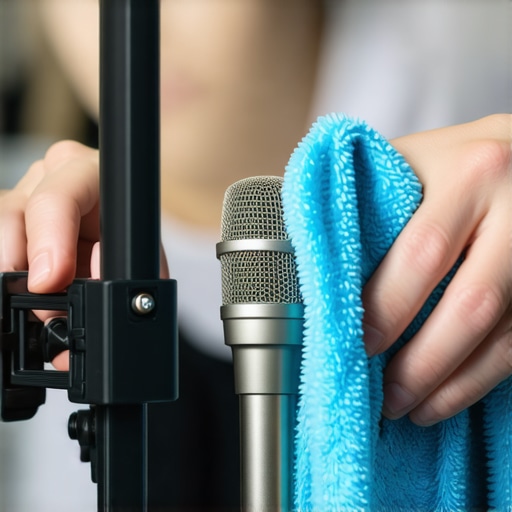
In the meantime, I encourage you to try out a simple yet effective tip: regularly clean your microphone grille with a soft cloth and inspect your cables for wear. These small steps can dramatically extend your gear’s lifespan and ensure consistent, high-quality audio for your projects. Remember, maintaining your equipment is just as important as choosing the right mic in the first place. Keep your gear in top shape, and your voice will always shine through.
Lessons Only the Pros Have Learned About Microphones
- One of the hardest lessons I learned was that a microphone’s capsule quality drastically impacts your final sound. Investing in a mic with a well-designed capsule paid off in clarity and warmth, saving me countless hours in editing.
- Another insight was the importance of polar patterns. I used omnidirectional mics in noisy environments, which resulted in muddy audio. Switching to cardioid or supercardioid patterns transformed my recordings, isolating my voice from background noise.
- Finally, I realized that placement is everything. Even the best microphone can sound terrible if not positioned properly. Experimenting with angles, distance, and accessories like pop filters was a game changer for my professional sound.
Gear That Elevated My Voice in 2025
- Neumann TLM 102: This XLR microphone offers exceptional depth, making it my go-to for studio-quality recordings. I trust it for its durability and sound clarity.
- iZotope RX: This software has become my secret weapon for cleaning up background noise and hiss, ensuring pristine audio even in less-than-ideal environments.
- DeoxIT Contact Cleaner: Regular maintenance with this spray keeps my connectors and cables in top shape, preventing static and signal loss during critical recordings.
- High-quality Mogami cables: Investing in reliable cables has eliminated unexpected pops and static, maintaining audio integrity over time.
Keep Your Voice Sharp and Your Gear Sharpener
Your voice is your brand, and maintaining your microphone is essential to keep that brand sounding professional. Regular cleaning with a soft cloth, inspecting cables, and proper storage in dust-free environments prevent deterioration. As your setup grows, consider upgrading to top-tier mics like the best XLR microphones and exploring advanced acoustic treatments. Think ahead—smart, IoT-connected maintenance tools will soon help you monitor gear health effortlessly, ensuring your voice remains crystal clear for years to come. Keep your gear in prime condition, and your audience will always hear your best.
The Hidden Truths Creators Need to Know About Microphones
- Many believe all microphones are interchangeable, but the truth is, a cheap USB mic can’t replace a professional XLR in quality or noise rejection. The capsules and components matter more than price tags.
- Placement and environment are often overlooked. Even a premium mic can sound bad if placed incorrectly or used in a noisy room. Proper positioning and treatment save time and improve sound immensely.
- Polar patterns are more than technical jargon—they determine how well your mic isolates your voice. Using the wrong pattern in your environment can muddy your recordings and frustrate your editing efforts.
Once you understand these nuances, you’ll be ahead of most creators. Your audio quality will elevate, and editing time will decrease significantly. Remember, mastering your gear and its maintenance is the secret to professional-sounding content in 2025. Ready to take your voice to the next level? Keep experimenting, learning, and caring for your microphone, and you’ll be amazed at the difference it makes.
About Me

Chesung Subba
Author/Writer
Hello, I'm Chesung Subba, a passionate writer who loves sharing ideas, stories, and experiences to inspire, inform, and connect with readers through meaningful content.
Follow Me
Connect with me and be part of my social media community.
Leave a Reply