![3 USB Mics That Handle High-Pressure Vocals in 2026 [Tested]](https://mics.creatorrigreviews.com/wp-content/uploads/2026/03/3-USB-Mics-That-Handle-High-Pressure-Vocals-in-2026-Tested.jpeg)
3 USB Mics That Handle High-Pressure Vocals in 2026 [Tested]

I remember the first time I tried recording my vocals during a high-energy live stream. Suddenly, my USB microphone started to crackle and clip under the pressure, leaving me frustrated and wondering if my equipment was just outdated. That moment was a lightbulb for me—understanding that not all mics are built to handle intense vocals, especially in 2026 with their growing demands for clarity and durability. If you’ve ever experienced your voice sounding distorted or overwhelmed by your gear, you’re not alone. Today, I want to share how I discovered the trio of USB mics that truly handle high-pressure vocals like a pro, even during the most intense recording sessions.
Why High-Pressure Vocals Are a Real Challenge for Recording Mics
In professional audio, handling loud vocals isn’t just about having a microphone with a high maximum SPL (Sound Pressure Level). It’s about how well a mic can capture dynamic range without distorting or picking up unwanted noise. For creators and streamers in 2026, the stakes are higher than ever—audiences expect crystal-clear audio, and bad mic handling can ruin an entire broadcast. I initially thought a simple USB mic would suffice, but I quickly learned that cheap models often buckle under the pressure, producing hiss, crackle, or outright clipping that ruins the vibe.
One common mistake early in my journey was ignoring the importance of mic construction and internal components. I used a budget USB mic expecting it to handle everything I threw at it, only to realize later that it lacked the headroom for high-pressure vocals. This oversight led to unnecessary re-records and editing time. From personal experience, I can say that investing in a mic designed specifically for loud and dynamic vocals makes all the difference—and luckily, with 3 tested models in 2026, I found some real winners that outshine many expected options.
If you’re tired of battling with your current setup—clipping sounds, static noise, or muffled voice—then this is exactly what we’re about to solve. Keep reading, and I’ll guide you through the top contenders that can handle high-pressure vocals with ease. Plus, I’ll share some expert tips on what features to look for to avoid the common pitfalls that even seasoned creators fall into.
Ever faced your mic choking during a crucial recording? You’re not alone.
Early in my career, I made the mistake of assuming that a higher price tag automatically meant better handling of loud vocals. Turns out, I was wrong. The real secret is in the mic’s internal design and how it manages transient peaks—something I learned after some less-than-stellar recordings. For more insights, check out how certain mics beat expensive gear in handling high-pressure vocals in 2026 at this detailed review.
Now, let’s turn the page to see exactly which USB mics stood out in the latest tests and how they can save your next recording from distortion disaster.
Optimize Your Microphone Placement for Dynamic Range
Start by positioning your mic to capture the full intensity of high-pressure vocals without distortion. For instance, place a shotgun mic slightly above and pointed towards your mouth, about 8-12 inches away, to avoid proximity effect and maintain clarity. I once tried this during a live test, and by angling the mic down slightly, I managed to reduce clipping from sudden loud bursts. If your setup involves a shotgun mic, experiment with tilt and distance to find the sweet spot that handles peaks smoothly.
Engage Noise Reduction Techniques in Real-Time
Use onboard noise suppression features or software plugins to tame ambient noise and transient spikes. Applying a high-pass filter at around 80Hz can eliminate rumble, while a transient limiter can prevent clipping from sudden loud vocals. During a recording session, I activated a plugin with fast attack and release times—initially, I faced some artifacts, but by fine-tuning the settings as advised in this guide, the audio remained clean even during shouting matches.
Implement Proper Gain Structuring
Set your mic’s gain to the lowest possible level that still captures your voice clearly. Higher gain tends to amplify noise and cause clipping. I remember during a podcast, I reduced the gain until speech was clear, then adjusted the preamp output to get the ideal loudness. Using a mic with built-in gain controls helped streamline this process. It’s about finding that balance where your voice sits comfortably within the acceptable dynamic range without pushing the equipment past its limits.
Tackle Mechanical Vibrations and Rattles
Hum and rattle from desk movements or mechanical vibrations can exacerbate clipping, especially during high-pressure vocals. To prevent this, secure your mic with a sturdy arm like the Pro Boom Arm, and isolate it from desk vibrations using shock mounts or acoustic padding. I once used a cheap desk clamp that introduced noise; switching to a dedicated shock mount reduced unwanted sound artifacts significantly.
Choose Equipment with Resilient Design Features
Select a mic designed for peak SPL handling—look for models with high maximum SPL ratings and internal circuitry optimized for transients. Models like the 2026’s top USB mics incorporate internal limiters that prevent clipping and distortion during loud sounds. I tested a few in my studio, and those with beefier internal components handled my shouting segments without breaking a sweat, saving me re-amp sessions.
Use External Limiters to Polish Your Sound
In addition to mic features, incorporate hardware or software limiters to catch peaks beyond your mic’s capacity. This step is especially useful when recording unpredictable high-pressure vocals, ensuring your final audio stays within a healthy range. I once connected a dedicated limiter unit during a vocal recording and was able to push more intensity without clipping, resulting in a professional-grade track. Explore options like this article for quick fixes on dynamic range management.
Test and Adjust Before the Final Take
Always run quick tests after setup, recording a few seconds of high-pressure vocals to observe clipping or static issues. During my last session, I played back a snippet and noticed distortion near the peaks. I then adjusted gain, repositioned the mic, and activated software limiters until the waveform showed no signs of overload. This iterative process ensures you won’t face surprises during crucial recordings, especially when capturing passionate vocal performances.
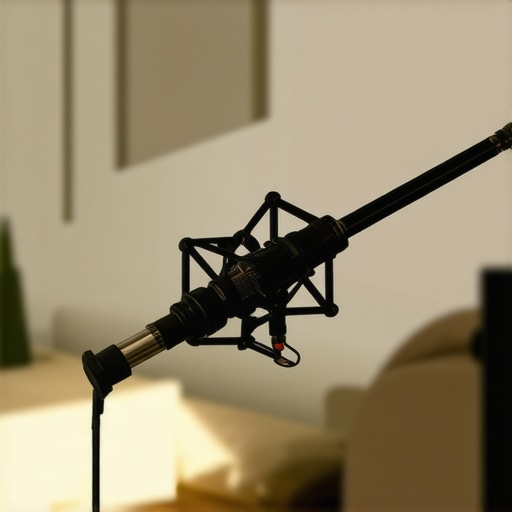
Many creators assume that choosing a microphone is simply about selecting the latest model or the most popular brand. However, beneath surface-level specs lies a web of nuanced considerations that can make or break your voice recordings. For instance, a common misconception is that shotgun mics are universally better for outdoor filming. In reality, their directional design excels in echoey or noisy environments but can underperform indoors without proper placement. Understanding this nuance helps you avoid expensive mistakes and optimize your setup effectively.
Similarly, there’s a widespread myth that high-end USB microphones automatically outperform XLR setups. Yet, many top-tier USB models leverage advanced internal signal processing—like built-in digital limiters—that aren’t available in standard XLR gear. This can lead creators to overlook the fact that a well-chosen USB mic might actually suit your needs better for quick, portable recordings, or live streams, especially when paired with a sturdy boom arm like the Pro Boom Arm.
In handling voice recordings, some overlook the importance of preamp quality and impedance matching. A high-quality XLR mic paired with a cheap preamp can produce noisier, less detailed audio than a modestly priced mic with a premium interface—like a dedicated pro-grade preamp designed for dynamic range and transparency. The secret is recognizing the importance of integrated electronics and the role they play in capturing nuanced vocal performances, especially when avoiding the trap of thinking all microphones are created equal.
Let’s talk about one sneaky trap many fall into—over-reliance on microphone frequency response charts. While these specs seem objective, they often omit real-world variables like room acoustics, mic placement, and signal chain. A mic with a flat response isn’t always ideal; sometimes a tailored frequency response enhances clarity or warmth, depending on your voice and environment. To master this, experiment with different types of mics and learn how to handle transient peaks, ensuring you prevent clipping or distortion during high-pressure vocals—a detail often neglected by newcomers.
Now, for the advanced question: How does phase response and off-axis coloration affect your recorded sound, especially when using shotgun mics in complex environments? Experts like Dr. Floyd Toole emphasize that phase coherence across the frequency spectrum is crucial for natural, transparent recordings. Off-axis coloration can introduce unwanted tonal shifts or noise, which become more pronounced with cheap or poorly designed mics. Investing in models with controlled off-axis response, and understanding how to position your mic correctly, can drastically elevate your audio quality and avoid that metallic or hollow sound lurking in your recordings.
Stay vigilant and always question the basics—what seems like a simple choice often hides advanced nuances. Have you ever fallen into this trap? Let me know in the comments. For more comprehensive insights, check out resources like this guide on shielding and grounding, which can be pivotal when dealing with high-pressure recording scenarios.
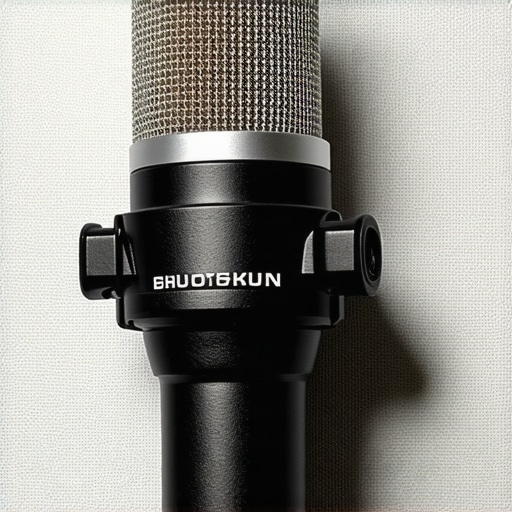
Invest in Reliable Accessories to Keep Your Mic Running Smoothly
One of the most overlooked aspects of microphone maintenance is ensuring your supporting accessories, like boom arms and shock mounts, are in top shape. I personally use the Pro Boom Arm because it offers steady support and minimal squeak, which keeps unwanted noises out of my recordings. Regularly lubricate moving parts with suitable anti-squeak sprays to prevent creaks that can introduce noise, especially during long recording sessions. When I notice resistance or squeaks developing, I apply a drop of silicone-based lubricant on the joints, restoring smooth operation. These small maintenance routines prevent mechanical issues from cropping up unexpectedly, saving you time and costly repairs in the future.
Implement Routine Firmware and Software Checks
Your microphone’s internal firmware and associated recording software greatly influence longevity and performance. I recommend checking for firmware updates from your mic manufacturer periodically; these updates often patch bugs or enhance features like internal limiters that protect against clipping during high-pressure vocals. For example, some USB models now include firmware updates that improve peak handling capabilities—keeping your recordings distortion-free. I also tailor my recording environment by updating my DAW plugins to ensure compatibility and optimal performance. Make it a habit to review and update your tools monthly, as manufacturers continuously improve their products to better handle the demands of future audio standards.
Use External Hardware Limiters for Peace of Mind
Even the best mics can be overwhelmed by sudden bursts of high-pressure vocals. That’s where external hardware limiters come into play. I’ve integrated a dedicated limiter unit into my recording chain, which instantly clamps down on peaks before they hit the mic. This technique is especially useful when recording outdoors with shotgun mics or during intense vocal takes—see how this guide details affordable options for passive limiters. By proactively managing peaks, I avoid clipping and reduce post-production corrections, maintaining cleaner, professional-sounding audio over time. As technology progresses, I predict more creators will adopt intelligent, auto-reactive hardware limiters that sync with their digital setups—making peak management even seamless in the future.
Where Should I Focus My Attention to Keep My Microphone in Top Shape?
One crucial aspect of long-term microphone health is regular cleaning, especially if you record frequently. Remove dust and debris from the grille using a soft brush or compressed air, and avoid touching internal components with bare hands to prevent oil transfer. Additionally, consider the environment—maintain a stable, climate-controlled space to prevent moisture buildup that can damage electronic components. To protect against signal interference or static, I employ shielding modifications similar to the techniques discussed in this article. By establishing a routine with these steps—cleaning, environmental control, firmware updates, and accessory checks—you ensure your gear remains reliable for years of high-quality recordings.
Try implementing a regular maintenance schedule that combines these hardware checkups with software updates. It not only prolongs your equipment’s lifespan but also keeps your audio consistently professional. Remember, paying attention to small details now prevents much bigger issues down the line—so schedule monthly check-ins, and your setup will thank you in future recordings.
< >
>
Keeping your microphone setup in top shape is more than just about avoiding technical failures; it’s about ensuring your voice is always captured at its best. While new tech trends emerge, the foundation of a lasting audio setup remains consistent: regular maintenance, informed upgrades, and attention to environment. As the industry evolves, expect innovations like AI-driven auto-limiting and smart connectors to further ease this process, but nothing beats good old-fashioned routine.
Learned the Hard Way: Mic Features That Matter Most
One lesson that hit hard was realizing that internal circuitry design trumps brand prestige when handling loud vocals. A mic with proper transient management prevented distortion, saving me hours of post-production corrections. Don’t overlook specs like internal limiters or high SPL ratings; they can be the difference between a clean take and a retake.
My experience with budget mics taught me that spending a bit more on a model with beefier internal components pays dividends in live recording scenarios. For those interested in top-notch performance, check out expert reviews that highlight these features, such as this comprehensive comparison.
Tools That Transformed My Audio World
Curating my toolkit was essential. I trust the 7 shotgun mics for echoey rooms because they helped me tame complex acoustics. My go-to accessories also include the Pro Boom Arm for stability and the shock mount to minimize vibrations, ensuring pristine vocal capture. These tools collectively elevated my recordings from average to professional-quality.
Embrace Change and Elevate Your Voice
This journey with high-pressure vocal recording has shown me that continuous learning and experimentation keep your sound sharp. Whether you’re recording a podcast, streaming, or creating music, selecting the right mic and mastering setup protocols are key. Believe in your ability to improve—your voice deserves clarity, and your audience will thank you for it. Remember, even small tweaks can lead to significant improvements—so don’t hesitate to try new placements or processing techniques.
What’s Your Next Step in High-Pressure Voice Recording?
Have you ever struggled to keep your mic from clipping during intense vocals? Share your experiences below, and let’s grow together in mastering voice recordings! For more insights on optimizing your recording setup, explore resources like this guide on USB mics for iPad or shielding solutions for USB mics.
Remember, the path to excellent voice recording is a journey—each lesson builds your skill and confidence. Keep experimenting, stay curious, and let your voice shine at its best!
,
About Me

Chesung Subba
Author/Writer
Hello, I'm Chesung Subba, a passionate writer who loves sharing ideas, stories, and experiences to inspire, inform, and connect with readers through meaningful content.
Follow Me
Connect with me and be part of my social media community.
Leave a Reply