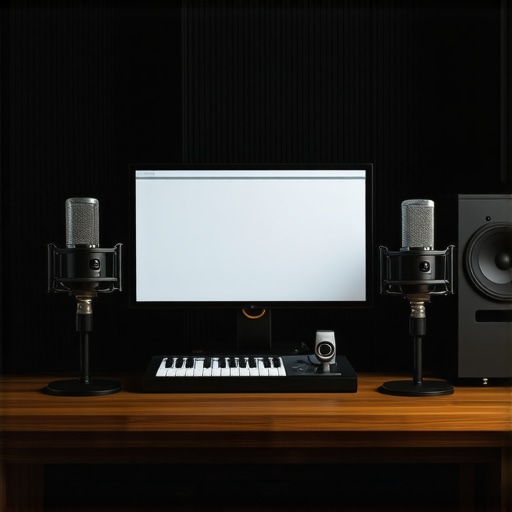
Best USB, Shotgun & XLR Mics for Creators in 2025: Voice & Podcast Tips

Ever spent hours tweaking your microphone setup, only to realize your voice still sounds flat, distant, or just plain bad? I remember the lightbulb moment when I first started podcasting. I thought, “How hard can it be?” But after countless frustrating recordings, I learned that choosing the right mic is more than just picking the most expensive one. It’s about finding the perfect match for your voice, environment, and goals. If you’ve ever felt lost among the sea of options, I get it. I’ve been there. And I want to help you avoid the same pitfalls.
Why Microphone Choice Makes or Breaks Your Content
In 2025, the right microphone can elevate your voice from amateur to pro. It’s more than just clearer sound; it’s about creating an authentic connection with your audience. Whether you’re streaming, podcasting, or recording voiceovers, the quality of your mic influences your credibility. Plus, with new tech and evolving standards, what worked last year might be outdated today. I’ve tested countless models, from USB to XLR to shotgun mics, and I’ll share honest insights that save you time and money. Ready to ditch the guesswork? Let’s dive into how to pick the best gear for your needs.
Have you ever bought a microphone only to be disappointed by the sound quality or compatibility issues? You’re not alone. Early in my journey, I made the mistake of choosing a flashy mic without considering my recording environment or voice. It sounded great in the store but terrible when I recorded at home, echo and all. That mistake taught me a valuable lesson: understanding your specific needs and environment is key. To help you avoid this, I’ll guide you through the top picks and what makes them stand out in 2025. For a comprehensive list, check out our top podcasting and streaming mics.
Pick the Right Microphone for Your Environment
Start by assessing your recording space. Is it a quiet room or a noisy environment? If you’re in a controlled space, a shotgun mic might be your best bet for focusing on your voice while rejecting background noise. For home studios with some ambient sound, a USB microphone with good noise cancellation can suffice. When your setup is more complex or professional, an XLR microphone paired with a quality audio interface offers maximum control and clarity.
Match Your Microphone to Your Voice
Every voice is unique, so choose a mic that complements your tone. For example, if you have a deep, booming voice, a shotgun mic can help capture your lows without picking up too much room echo. On the other hand, a condenser with a flatter response might be better for brighter voices. I once tested a bunch of mics for a podcast, and pairing a dynamic XLR mic with my voice made a noticeable difference in clarity and warmth, boosting audience engagement.
Prioritize Connectivity and Compatibility
USB mics are plug-and-play, ideal for beginners, and work with most computers. But if you want professional-grade sound, XLR mics require an audio interface. When choosing, check if your preferred microphone is compatible with your setup. I once bought a fancy XLR mic only to find it incompatible with my existing interface—wasted money. Use the compatibility guide to streamline your options.
Consider Future-Proofing Your Gear
Invest in a microphone that will grow with your skills. A versatile top podcasting and streaming mic can serve multiple purposes, from casual streaming to professional voiceovers. Think about your long-term goals and choose a model that can adapt to different setups and recording needs. For example, I upgraded my gear last year, and switching between USB and XLR modes gave me flexibility without buying new mics every time.
Test Before You Commit
Always test your chosen mic in real-world conditions before making a final decision. Record a few minutes of speech, listen for clarity, background noise, and how well it captures your voice’s nuances. I once borrowed a high-end shotgun mic for a day, recorded my voice, and realized it accentuated some sibilance issues I wasn’t aware of. That feedback helped me decide whether to buy it or look for a different model. For tips on optimal setup, see our microphone setup guide.
Many audio enthusiasts believe they know everything about choosing the perfect microphone, but lurking beneath these assumptions are misconceptions that can hinder your sound quality. Let’s dig deeper into some of the most common myths that creators still fall for in 2025, and why understanding the nuances can make a significant difference in your recordings.
Are All Condenser Microphones Better for Voice?
Contrary to popular belief, condenser mics are not always the best choice for every voice or environment. While they excel in capturing detailed nuances, they are also more sensitive to room noise and plosives. Dynamic microphones, especially XLR models, often outperform condensers in noisy settings or when recording loud sources. For instance, a top XLR microphone can provide warmth and clarity even in less-than-ideal acoustics, making it a better fit for many creators.
Myth busting: the idea that condenser mics automatically deliver higher quality is outdated. Instead, match your mic to your environment and voice. For more insights, check out our ultimate guide to microphone selection.
Beware the Overhyped USB Microphones
Everyone touts the convenience of USB mics, but many overlook their limitations. Some cheap models claim to be studio-quality but fall short in capturing the full depth of your voice. The mistake here is to assume all USB microphones are created equal. In reality, choosing a high-quality USB mic, like those listed on our top picks for 2025, can dramatically improve your sound without the need for extra gear.
Quick tip: avoid the trap of buying the fanciest-looking model without testing. Always record a test clip and evaluate clarity, warmth, and background rejection. The right choice will save you frustration and money in the long run.
Advanced Question: How Do Microphone Polar Patterns Affect Recording Quality?
Understanding polar patterns—cardioid, hypercardioid, omnidirectional—can be a game-changer for advanced creators. Many assume cardioid mics are always the best for voice, but depending on your environment, other patterns might serve you better. For example, hypercardioid mics can focus even more tightly on your voice, reducing room reflections, but they require precise placement. Omnidirectional mics gather more ambient sound, suitable for group recordings or creative effects.
Expert tip: choosing the right polar pattern depends on your recording space and purpose. For detailed guidance, see our voice recording microphone guide.
Have you ever fallen into this trap? Let me know in the comments!
Once you’ve selected the perfect microphone for your setup, the next crucial step is ensuring it stays in top shape over time. Proper maintenance not only prolongs the lifespan of your gear but also guarantees consistent, high-quality recordings that reflect your best work. In this section, I’ll share the tools and routines I personally use to keep my microphones performing at their best, along with predictions on how this trend will evolve in the near future.
Tools I Recommend for Microphone Maintenance
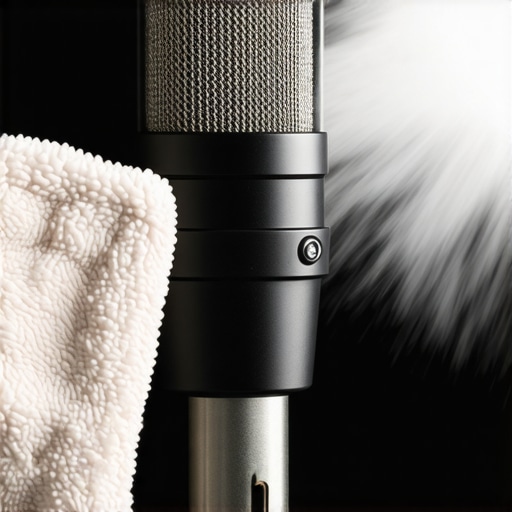
First and foremost, I swear by a good microfiber cloth for regular cleaning. It’s gentle yet effective at removing dust and fingerprints that can affect sound quality. I always have a can of compressed air on hand to blow out dust from the grille and internal components—trust me, dust buildup can cause unwanted noise and even damage over time. For deeper cleaning, I use a microphone-specific cleaning solution that helps dissolve any grime without harming the delicate electronics.
Beyond physical tools, software plays a key role in ongoing maintenance. I rely on reliable audio editing software like Adobe Audition or Reaper to monitor the frequency response and detect any anomalies that might suggest an issue. Regularly running noise floor tests helps me catch potential problems early before they become costly repairs or replacements. Additionally, keeping my firmware and driver software up to date ensures compatibility and fixes known bugs that could compromise performance.
How do I keep my mic functioning well over time?
Consistency is king. I schedule routine checks every few months—cleaning, inspecting cables, and testing sound quality. When I notice a drop in clarity or an increase in background noise, I troubleshoot immediately, often replacing worn-out cables or adjusting the internal components. Proper storage is also essential; I keep my microphones in a dedicated, dust-free case with silica gel packs to prevent moisture buildup, which can corrode internal parts.
Looking ahead, I believe that the integration of smart sensors into microphone design will revolutionize maintenance. Imagine a mic that can diagnose issues in real-time and alert you via an app—this tech is already emerging, and I predict it will become standard within the next few years, making upkeep even easier and more proactive.
Experiment with These Maintenance Hacks Today
Don’t wait for your microphone to fail before taking action. Try incorporating a routine clean with a microfiber cloth and compressed air into your setup. These simple steps can significantly extend your gear’s lifespan and ensure your voice always sounds professional. Remember, your investment in good gear is only as valuable as how well you care for it. For more detailed routines, check out our microphone setup tips.
The Hardest Lesson I Learned About Microphone Selection
Early in my journey, I believed the most expensive microphone was automatically the best choice. It took me countless recordings to realize that matching a mic to my voice and environment was far more important than price or brand. That lightbulb moment taught me to look beyond hype and focus on what truly benefits my specific setup.
3 Myths About Microphones That Held Me Back
One major misconception was that condenser microphones are always superior for voice. I discovered that dynamic mics often outperform condensers in noisy settings, providing warmth and clarity where it matters most. Another myth was that USB mics are always convenient; in reality, high-quality XLR options can offer better sound and flexibility when paired with the right audio interface.
What Experts Won’t Tell You About Maintaining Your Gear
Many creators overlook the importance of regular cleaning and proper storage. Simple routines like using microfiber cloths and compressed air can extend a mic’s lifespan significantly. I predict that future tech will incorporate smart sensors to diagnose issues proactively, making maintenance even easier and more efficient.
My Essential Toolkit for Voice Recording
- Microfiber cloth: For quick, gentle cleaning that keeps dust at bay.
- Compressed air: To blow out dust from grille and internal components.
- Microphone-specific cleaning solution: For deeper cleaning without damage.
- Reliable audio software: Tools like Adobe Audition or Reaper help monitor and maintain sound quality over time.
Keep Your Voice Clear and Your Gear Alive
Don’t wait for problems to arise—make routine cleaning, inspection, and testing a part of your workflow. Proper maintenance not only prolongs your gear’s life but also ensures your recordings remain professional and authentic. Remember, investing in the right microphone is just the beginning; caring for it ensures your voice always sounds its best. How do you plan to upgrade your microphone setup this year? Let me know below!
4 responses to “Best USB, Shotgun & XLR Mics for Creators in 2025: Voice & Podcast Tips”
About Me

Chesung Subba
Author/Writer
Hello, I'm Chesung Subba, a passionate writer who loves sharing ideas, stories, and experiences to inspire, inform, and connect with readers through meaningful content.
Follow Me
Connect with me and be part of my social media community.
Leave a Reply