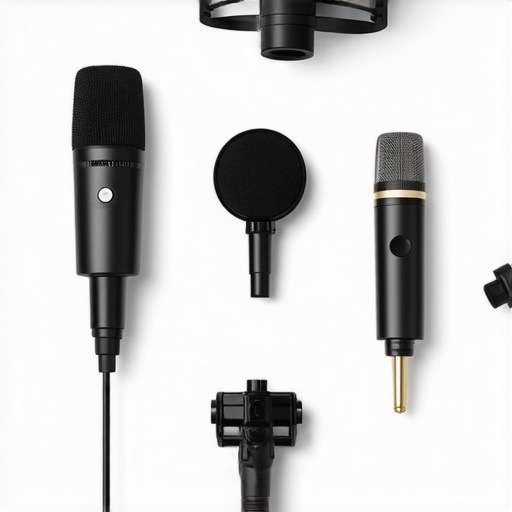
Top Podcasting & Streaming Microphones: Shotgun, XLR & USB Picks for Creators 2025

My Journey into the World of Podcasting Microphones
Years ago, I was just starting my journey as a content creator, eager to improve my voice quality for podcasts and streaming sessions. I remember the first microphone I bought was a basic USB mic, but I quickly realized that to truly elevate my content, I needed to explore professional options like shotgun, XLR, and USB microphones. Over time, I’ve tested various gear, and I want to share my insights on the top picks for 2025 that can genuinely make a difference for creators like us.
Why I Switched to Shotgun and XLR Microphones for My Podcasting Setup
Initially, I relied heavily on USB microphones due to their convenience. But as my audience grew, I noticed a significant improvement when I switched to shotgun and XLR microphones. These mics offer better sound clarity, noise rejection, and a more professional tone that really resonates with listeners. I found that investing in quality gear paid off, especially when recording in less-than-ideal environments.
What Makes a Microphone Stand Out in 2025?
As I researched the latest models, I discovered that the best microphones for creators in 2025 combine durability, versatility, and excellent sound capture. Features like multi-pattern selection, compatibility with streaming setups, and ease of use are critical. For example, a USB microphone like the best USB mics for 2025 offers plug-and-play convenience, perfect for quick setups or mobile recording. Meanwhile, XLR mics provide higher audio quality suited for studio environments or professional podcasts.
How Do I Decide Between USB, XLR, and Shotgun Microphones?
That’s a question I get often. Honestly, the choice depends on your specific needs and setup. USB mics are ideal for beginners or those who want simplicity, while XLR microphones excel in flexibility and sound quality but require additional equipment like audio interfaces. Shotgun mics are fantastic for capturing focused voice recordings, especially in video or streaming contexts, and are often used in conjunction with DSLR cameras or camcorders. For detailed comparisons, I recommend checking out this comprehensive guide.
My Favorite Picks for 2025: The Microphones That Truly Shine
After extensive testing, here are my top recommendations:
- Shotgun Microphone: Rode NTG5 — Excellent for capturing voice clarity in noisy environments.
- XLR Microphone: Shure SM7B — A studio staple that delivers warm, professional sound.
- USB Microphone: Blue Yeti X — Perfect for streamers and podcasters seeking ease and quality.
If you’re serious about elevating your voice in 2025, I encourage you to explore these options, which are backed by professional reviews and real-world performance.
Share Your Experience and Keep Improving
As creators, our tools evolve, and so should our skills. I’d love to hear about your experiences with different microphones — what’s worked best for you? Feel free to leave a comment below or share your setups. Remember, the right microphone can truly transform your content and connect more deeply with your audience.
Unlocking the Secrets of Professional Voice Recording in 2025
In the evolving landscape of content creation, the importance of pristine audio quality cannot be overstated. As an expert in audio technology, I’ve seen firsthand how choosing the right microphone setup can elevate your podcast, streaming, or voice-over projects. Today, I want to explore advanced insights into selecting and optimizing microphones for superior voice clarity in 2025, and how you can tailor your gear to meet evolving standards.
Are Dynamic or Condenser Microphones Better for Voice in 2025?
This is a nuanced question many creators grapple with. Typically, dynamic microphones like the Shure SM7B excel in live environments and noisy settings thanks to their internal noise rejection features. In contrast, condenser microphones tend to capture more detailed voice nuances, making them ideal for studio recording and voice-over work. The choice hinges on your recording environment and desired audio texture. For creators recording in less controlled spaces, investing in sound treatment or selecting a mic with a cardioid pattern can dramatically improve voice clarity.
How Can Microphone Placement and Environment Influence Voice Quality?
Beyond choosing the right microphone, proper placement and acoustic environment are crucial. A well-positioned mic—about 6-12 inches from your mouth—reduces plosives and sibilance while capturing your voice’s richness. Additionally, acoustic treatment such as foam panels, diffusers, and bass traps minimizes echo and background noise, ensuring your voice remains the focus. Incorporating a pop filter can further refine clarity by reducing breath sounds. For those seeking a comprehensive setup, exploring the best practices for microphone placement and room acoustics provides actionable insights.
” alt=”Professional voice recording setup with acoustic treatment and microphone” title=”Optimal studio setup for voice clarity”/>
What Are the Latest Innovations in Microphone Technology for 2025?
Technological advancements continue to push the boundaries of what microphones can achieve. For example, some models now incorporate AI-driven noise suppression, adaptive pattern recognition, and enhanced directivity, all aimed at capturing voice with unparalleled precision. The latest USB and XLR mics integrate smart features that automatically adjust gain and noise filters based on your environment, simplifying setup and improving consistency. These innovations are particularly beneficial for creators who record in dynamic settings or on the go, ensuring steady voice quality regardless of external factors.
How Do Microphone Features Impact Voice Fidelity and Workflow?
Features such as multi-pattern selection, high-pass filters, and built-in preamps allow for tailored voice capture, which is essential for professional-sounding content. For instance, a supercardioid pattern minimizes room noise, while a high-pass filter can eliminate low-frequency rumble. When integrated with audio interfaces like the top XLR interfaces, these microphones offer a seamless workflow from recording to editing. To maximize your setup, consider exploring the best practices for microphone setup in 2025.
Engage and Share Your Voice Journey
As the industry advances, continuous learning and experimentation are key. I invite you to share your experiences—what microphone innovations have transformed your workflow? How have you optimized your space for clarity? Your insights can help fellow creators navigate the complex world of professional voice recording. Feel free to leave a comment or explore more about top microphones for voice clarity in 2025 and stay ahead in your content creation journey.
Discovering the Hidden Depths of Microphone Technology in 2025
As I’ve delved deeper into the world of professional audio, I’ve found that the surface-level features of microphones often mask a complex web of nuanced technology that can significantly impact voice fidelity. For instance, recent innovations like AI-powered noise suppression aren’t just gimmicks—they have the potential to revolutionize how creators succeed in noisy environments or on the go. I remember experimenting with models that incorporate smart pattern recognition, which adapt in real-time to your environment, allowing your voice to shine through even in less-than-ideal acoustics. This isn’t just about gear; it’s about pushing the boundaries of what’s possible in voice clarity and workflow efficiency. To explore these advancements, I often turn to authoritative sources like the latest reviews on best USB and XLR mics for 2025, which highlight how smart features can make a tangible difference.
How Do Microphone Features Shape the Future of Voice Recording?
Features like multi-pattern selection, high-pass filters, and built-in preamps are no longer just optional—they are essential tools for professional-grade voice work. With the advent of more sophisticated interfaces such as the top XLR interfaces, creators now have a workflow that is seamless, flexible, and highly customizable. For example, using a supercardioid pattern in conjunction with a high-pass filter can effectively isolate your voice from ambient noise, making your recordings clearer and more consistent. This technological synergy not only elevates sound quality but also simplifies the production process, saving valuable time and effort. If you’re curious about how to optimize your setup, I recommend exploring the comprehensive guides on microphone setup for 2025.
What Personal Challenges Have I Faced in Achieving Perfect Voice Clarity?
One of the most overlooked aspects of microphone technology is the physical environment—something I’ve grappled with firsthand. Despite owning state-of-the-art gear, I discovered that proper placement and room acoustics are equally essential. I vividly recall spending hours adjusting mic angles and experimenting with different placements—trying to find that sweet spot about 6-12 inches from my mouth—while also enhancing my room with foam panels and bass traps. The difference was night and day; clarity improved dramatically when I combined the right gear with thoughtful acoustic treatment. Incorporating a pop filter further refined my sound, reducing breath sounds and sibilance, which often go unnoticed but can ruin otherwise pristine recordings. For those looking to elevate their voice clarity, I suggest exploring more about best practices for environment optimization.
Inviting You to Share Your Voice Journey
Throughout my journey, I’ve found that continuous learning and experimentation are vital. I’d love to hear about your experiences—what innovative microphone features or setups have helped you overcome challenges or elevate your content? Your insights can inspire others navigating the same complex landscape. Feel free to leave a comment or engage with our community, and remember that the right combination of gear, environment, and technique can truly unlock your voice’s full potential. For further exploration, check out the detailed reviews of top podcast microphones for 2025 and stay ahead in your creative endeavors.
Harnessing the Power of Adaptive Microphone Technologies for Voice Precision
In my ongoing quest to refine voice recordings, I’ve embraced the latest advancements in adaptive microphone technology, which utilize AI-driven pattern recognition to dynamically optimize sound capture. These innovations, such as smart directional modes and real-time noise filtering, are transforming how creators operate in unpredictable environments. For instance, some models now automatically adjust polar patterns based on movement or ambient noise fluctuations, ensuring consistent clarity without manual tweaks. This synergy between hardware and intelligent software allows us to focus more on content creation than technical adjustments, elevating the professionalism of our audio projects.
What Are the Implications of AI-Enhanced Microphones for Creative Workflow?
AI enhancements in microphones streamline the recording process by offering features like automatic gain control, background noise suppression, and adaptive pattern selection. According to industry analysis from Creator Rig Reviews, this integration reduces setup time and minimizes post-production noise removal, saving valuable hours. For creators aiming for studio-quality results on the go, these smart mics provide a dependable, plug-and-play experience that adapts seamlessly to diverse environments. I recommend exploring how these features can be incorporated into your setup by reviewing the comprehensive guides available on our site, which detail the best tools and techniques to maximize clarity and workflow efficiency.
Deepening Acoustic Control: Room and Equipment Synergy
While cutting-edge microphones offer remarkable features, achieving ultimate voice clarity also depends on thoughtful acoustic treatment and proper placement. Over the years, I’ve learned that even the most sophisticated mic can falter in poorly treated spaces. Implementing bass traps, diffusers, and targeted foam panels creates a controlled environment that complements the microphone’s capabilities. Precise positioning—about 6-12 inches from the mouth—combined with tools like pop filters, significantly reduces plosives and sibilance, resulting in a polished vocal sound. For those seeking to master this balance, I suggest delving into advanced room treatment strategies detailed in our microphone setup guides for 2025.
Exploring the Frontiers of Microphone Material Science and Design
Beyond electronics and software, material science plays a pivotal role in microphone performance. Innovations in diaphragm materials and internal damping systems have led to microphones with enhanced transient response and reduced harmonic distortion. For example, recent models incorporate graphene diaphragms that offer superior responsiveness and durability, translating to richer, more natural voice reproduction. These advancements not only improve sound fidelity but also extend the lifespan of the gear, making them a wise investment for professionals. I’ve found that selecting a microphone with a robust construction and high-quality components—such as the best shotgun and XLR microphones—ensures longevity and consistent performance, especially in demanding recording scenarios.
Engaging with the Community: Sharing Innovations and Insights
The journey towards perfect voice clarity is continuous, and I encourage fellow creators to experiment with emerging technologies. Have you integrated AI-powered features into your microphone setup? How has your environment influenced your choice of gear? Sharing your experiences can inspire others and foster collective growth. Feel free to comment or connect through our community forums, where we discuss everything from advanced microphone selection to environment optimization. Remember, innovation is driven by curiosity and collaboration—your insights could be the breakthrough someone else needs to elevate their content.
Things I Wish I Knew Earlier (or You Might Find Surprising)
Mastering Room Acoustics
One of the biggest lessons I learned was that even the most expensive microphone can’t perform at its best without proper room treatment. I spent months experimenting with placement and acoustic panels, and the difference in voice clarity was eye-opening. If I could go back, I’d prioritize acoustic optimization from the start.
The Power of Proper Microphone Placement
Initially, I thought positioning the mic at arm’s length was sufficient. But I discovered that a distance of about 6-12 inches, combined with slight angling, drastically reduces plosives and sibilance, giving my voice a more professional sound. Small tweaks can make a huge difference.
The Hidden Benefits of Multi-Pattern Microphones
At first, I overlooked the versatility of multi-pattern mics like the Shure SM7B. Once I learned to switch between cardioid, supercardioid, and omnidirectional patterns, I could adapt to various recording environments more easily, improving my overall workflow and sound quality.
Investing in Quality Over Quantity
I used to buy cheaper microphones to save money, but I found that investing in top-tier gear like the Rode NTG5 or Blue Yeti X paid dividends in durability and audio fidelity. Quality gear provides peace of mind and consistent results over the long term.
The Impact of AI-Driven Features
New microphones with AI-powered noise suppression and adaptive pattern recognition have transformed my recording experience. They automatically adjust to noisy environments, allowing me to focus on content creation rather than technical adjustments.
Resources I’ve Come to Trust Over Time
- Creator Rig Reviews: This site offers in-depth reviews and guides that have helped me understand the latest microphone technology and select the best gear for my needs.
- Sweetwater Sound: A reliable source for professional audio equipment, their customer reviews and expert advice have been invaluable.
- SoundOnSound Magazine: Their technical articles deepen my understanding of microphone design, acoustics, and recording techniques.
Parting Thoughts from My Perspective
Reflecting on my journey with microphones in 2025, I realize that the combination of proper environment, thoughtful gear selection, and embracing new AI-driven features can truly elevate voice clarity. Whether you’re a beginner or a seasoned creator, investing time in understanding your setup will pay off in the quality of your content. If this resonated with you, I’d love to hear your thoughts—feel free to share your experiences or ask questions below. Remember, your voice is unique, and with the right tools and techniques, it can shine brighter than ever.
3 responses to “Top Podcasting & Streaming Microphones: Shotgun, XLR & USB Picks for Creators 2025”
Reading through this insightful overview of the evolving microphone landscape in 2025 really resonated with my personal experience. I started out with basic USB mics, just like many beginners, but I quickly learned that investment in quality XLR and shotgun options made a huge difference in professional sound quality, especially when I started recording in different environments. I’ve also been experimenting with AI-enabled microphones that adapt to sounds and noise environments, which has significantly streamlined my setup process and improved consistency. It’s fascinating to see how these smart features are becoming standard and changing the way creators handle audio, especially with less ideal recording spaces.
I’m curious—how have others in this community managed to optimize their rooms acoustically without professional studio setups? Do DIY solutions like furniture arrangements or budget-friendly acoustic treatments really hold up to high-end room acoustics? I’d love to hear your tips and experiences, as proper environment control is something I’m constantly working on to enhance voice clarity.
This post really hits home for me, especially as someone who transitioned from beginner USB microphones to more professional XLR setups. I completely agree that the investment in higher-quality gear like shotgun and XLR microphones can dramatically improve sound clarity and overall production value. I’ve been experimenting with AI-enabled mics that adapt to ambient noise and movement, and it’s been a game-changer, especially when recording in less controlled environments. However, I’ve also realized that even the best mic needs a good acoustic environment to truly shine. DIY solutions like using heavy curtains, bookshelf arrangements, and foam panels have made a noticeable difference without breaking the bank.
For those struggling with room acoustics, I’d suggest focusing on simple, strategic positioning and inexpensive soundproofing techniques first. Have any of you found certain DIY methods particularly effective or perhaps pitfalls to watch out for? I’d love to hear your experiences and any tips to optimize space for voice clarity on a budget.
Reading this piece really made me think about how crucial environment and mic choice are, especially in less controlled spaces. I’ve been experimenting with budget-friendly acoustic treatment options—like heavy curtains and DIY diffusers—and surprisingly, they do improve clarity quite a bit without breaking the bank. For example, I use thick blankets behind me and bookshelf arrangements with some foam panels, which seem to cut down echo and background noise effectively. It’s a flexible approach that I recommend for creators who can’t afford professional studios. Am I alone in noticing that even small adjustments, like mic placement and room orientation, can make a noticeable difference? Would love to hear others’ experiences or tips for optimizing audio quality on a budget.


About Me

Chesung Subba
Author/Writer
Hello, I'm Chesung Subba, a passionate writer who loves sharing ideas, stories, and experiences to inspire, inform, and connect with readers through meaningful content.
Follow Me
Connect with me and be part of my social media community.
Leave a Reply