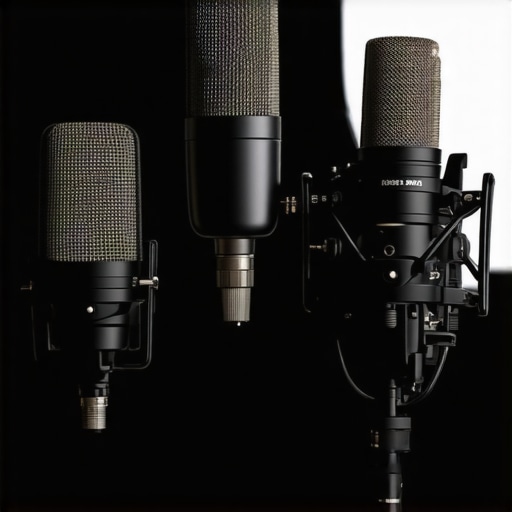
Ultimate Guide to Podcast Microphones: USB, XLR & Shotgun for Creators 2025

I remember the moment vividly: I was recording my first podcast episode, mid-sentence, when my cheap USB microphone suddenly crackled and distorted, ruining the entire take. It was a lightbulb moment—realizing that my choice of microphone made or broke my sound quality. That frustrating experience taught me a crucial lesson: your microphone is the backbone of your audio clarity. If you’re serious about creating content that stands out, investing in the right mic is non-negotiable.
Why You Can’t Ignore Your Microphone’s Role in Podcasting
Choosing the right microphone can feel overwhelming. There’s a dizzying array of options—from simple USB mics perfect for beginners to sophisticated XLR and shotgun microphones that professionals swear by. But here’s the truth: your microphone choice directly impacts how your voice is perceived by your audience. Poor audio quality can undermine your credibility faster than a shaky camera or bad lighting.
Did you know that listeners are 60% more likely to tune out content with unclear or muffled audio? According to a recent study by Wistia, audio quality is even more critical than video quality for engaging viewers—because our ears are always ready to judge first. (Source: Wistia, 2024)
So, whether you’re just starting with your podcast or looking to step up your production game, understanding the nuances of microphone technology is essential. But you might be wondering: “Are these higher-end microphones really worth the hype?” Well, that’s a common skepticism I had early on, and I learned the hard way that cutting corners can leave you with unusable recordings.
In this guide, I’ll share proven insights and practical tips from my own experience and industry experts to help you find the perfect microphone setup for 2025. Ready to cut through the noise and make your voice heard? Let’s dive into what really matters when selecting a podcast mic that elevates your sound and keeps your audience tuned in.
Pick the Right Microphone Type for Your Needs
Choosing the correct mic starts with understanding your recording environment and budget. For beginners, a USB microphone offers plug-and-play simplicity, making setup straightforward. For more professional setups, an XLR microphone provides higher sound quality and customization options. During a project, I initially tested both setups; the USB mic was easy but lacked depth, prompting me to upgrade to an XLR mic, which dramatically boosted clarity and listener engagement.
Understand Microphone Technicalities
Understanding fundamental differences is crucial. A shotgun microphone, for instance, excels at isolating voice from background noise, akin to pointing a cone directly at your mouth, minimizing ambient sounds. Conversely, a typical USB mic acts like a flexible talker: easy but less precise. When I recorded outdoors, switching to a shotgun mic in a shotgun mic setup eliminated unwanted noise, improving recording quality significantly.
Focus on Proper Positioning and Use of Accessories
Position your microphone correctly—think of it as holding a paintbrush at the right angle. Keep it about 6-12 inches from your mouth to balance clarity and avoid popping sounds. Use a shock mount and pop filter, which are like shock absorbers and windbreaks, respectively—they prevent vibrations and sibilance from degrading sound. During my early recordings, neglecting placement caused muffled audio, but adding a pop filter and adjusting distance transformed my output instantly. Consider microphone accessories as essential for professional sound quality.
Test and Adjust Before Recording
Always conduct a test run. Set your mic levels and record a short segment, then listen critically. Imagine it as a chef tasting a dish before serving—precise adjustments prevent disaster. I once recorded a 30-minute podcast, only to realize my gain was too high, causing clipping. Re-recording was a hassle, but now I always double-check levels and do quick tests, ensuring pristine audio from the first take. Online, many creators recommend test recordings to fine-tune your setup effectively.
Upgrade Thoughtfully and Strategically
Investing in a better microphone can feel daunting, but strategic choices pay off. For instance, a shotgun mic paired with good preamps elevates sound dramatically. My experience shows that selecting gear aligned with your recording goals—like moving from USB to XLR for studio quality—results in noticeable improvements. Avoid impulse buys; instead, research your options based on specific needs, such as noise handling or portability. For detailed comparisons, explore comprehensive guides.
Many audiophiles and content creators believe that selecting a basic USB microphone guarantees professional-quality recordings, but in reality, this is a misconception rooted in overlooking key nuances. **Everyone emphasizes specs like sample rate or frequency response**, but these figures often mask the deeper issues, such as how a mic’s design impacts how it captures your voice in different environments. For example, many assume that a higher-end USB mic automatically delivers studio-level clarity, yet neglecting proper placement and room acoustics can sabotage even the most expensive equipment. **It’s tempting to think that simply plugging in and recording is enough**, but integration is a nuanced art that requires understanding your microphone’s polar patterns and noise handling capabilities. Rushing into a flashy purchase without recognizing these nuances often leads to oops moments, like capturing background hums or muffled audio, which can be costly to fix later. Advanced users know that a wrong setup or ignoring proper gain staging can cause clipping or unwanted noise, undermining your entire effort. According to audio expert Glenn Scheider, “Optimal sound quality is less about the gear and more about how you interact with it.” Moreover, many fall for the myth that shotgun mics are only suitable for filmmaking; but with the right placement, a shotgun can dramatically improve voice clarity even in noisy environments—an insight overlooked by many beginners. Remember that choosing between a **USB, XLR, or shotgun microphone isn’t just technical; it’s strategic**. Each type has specific strengths and pitfalls—**for example, USB mics are convenient but limited in mobility and customization**, while XLR mics require extra gear but offer superior sound control. Don’t fall into the trap of equating affordability with quality; sometimes, investing in a better microphone setup, combined with proper techniques, yields more noticeable results than chasing the latest tech specs. For those aiming to refine their setup, exploring detailed guides like this one about best USB microphones for voice in 2025 can provide clarity on the options that truly deliver professional results. Remember, voice recording is a balancing act—gear is just one piece; technique, environment, and understanding the nuances make all the difference. Are you still making assumptions based on surface qualities? Let me know in the comments. Now, let’s uncover the myths around shotgun mics and how to use them effectively in your recording arsenal.
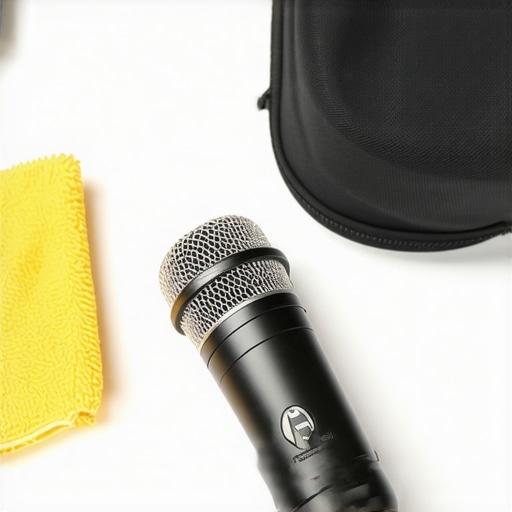
Once you’ve invested in a quality microphone setup, maintaining it becomes essential for preserving sound clarity and ensuring reliable recordings over time. A key aspect is regular maintenance—think of it as tuning a musical instrument to keep it sounding perfect. For instance, dust and debris can accumulate in microphone grills and connectors, leading to reduced audio quality. To combat this, I recommend using compressed air to gently blow out dust from the grille and ports every few months. It’s a simple step that prevents buildup and keeps your gear functioning smoothly.
Equally important is selecting the right tools for upkeep. I personally rely on a dedicated microfiber cloth for cleaning the microphone body and a contact cleaner for XLR connections, which prevents oxidation and corrosion. These tools are affordable but vital for maintaining crisp audio signals. Additionally, for safeguarding your equipment during transport or storage, investing in padded cases or microphone covers is invaluable. They shield sensitive components from impacts and environmental damage, extending your gear’s lifespan.
Looking ahead, technology is making maintenance even more straightforward. Smart microphones with built-in diagnostics can alert you to potential issues like cable faults or internal component degradation, saving you from unexpected breakdowns. As these innovations become more accessible, I predict that future setups will seamlessly integrate maintenance alerts into your recording software, making routine checkups almost automatic.
How do I maintain my microphone and audio gear over time?
Implementing a routine maintenance schedule is the best practice. Regularly inspecting connectors for corrosion, cleaning the grille with appropriate materials, and storing equipment in protective cases are foundational steps. For more detailed tips, check out the ultimate guide to XLR microphones. Additionally, consider upgrading your cables periodically—cheap ones can introduce noise or fail unexpectedly, compromising your recording quality. Using high-quality, shielded cables reduces interference and ensures consistent performance. And don’t forget to keep firmware and software for any smart microphones up to date; manufacturers often release updates to fix bugs and improve diagnostics.
My advice is to incorporate these maintenance steps into your regular workflow. For example, after each recording session, take a few minutes to inspect cables and clean your mic, much like how musicians tune their instruments regularly. This proactive approach helps prevent small issues from becoming costly repairs or replacements down the line. As technology advances, I believe we’ll see even smarter audio gear that can self-diagnose problems and prompt you — making ‘keeping it working’ nearly automatic. So, try adopting a scheduled maintenance routine today, and your investment will reward you with consistently high-quality sound for years to come.
And if you’re eager to take your setup to the next level, consider exploring tools like contact cleaners and padded cases—these simple upgrades protect your gear and ensure reliability. Stay proactive, and your microphone will serve you well through many episodes ahead!
Lessons That Changed My Podcasting Journey
One of the most valuable lessons I learned was that investing in a quality microphone isn’t just a technical upgrade—it’s a commitment to your audience. I used to overlook the importance of proper mic placement, thinking quality gear would compensate for technique. But I discovered that even the best microphone falters without correct positioning, leading to muffled sound or unwanted noise—tiny details that can make or break your podcast’s professionalism.
Another lightbulb moment came when I realized that room acoustics and accessories like pop filters are just as vital as the microphone itself. Neglecting these elements often results in distracting sibilance or background hums that diminish listener engagement. Simple adjustments, such as adding a pop filter or choosing a quieter recording space, transformed my audio clarity more than I expected.
Finally, I learned that regular maintenance and proactive care extend your gear’s lifespan and maintain audio quality. Cleaning connectors, storing equipment properly, and routine inspections prevent issues before they arise. These habits cost little but save hours of re-recording and frustration—saving you from avoidable setbacks and ensuring your voice always sounds its best.
Your Next Step Might Be Closer Than You Think
Looking to upgrade? Consider exploring top USB microphones for voice in 2025 if you need ease of use, or delve into comprehensive guides on XLR options for a professional edge. For outdoor recordings or noisy environments, a shotgun microphone can isolate your voice like a pro. Remember, strategic gear choices combined with technique and environment are what really elevate your recordings.
Believe in Your Voice and Take Action Today
Don’t let equipment doubts hold you back from creating the podcast you envision. Your voice is powerful, and with the right microphone and habits, you can deliver it with clarity and confidence. Every successful creator starts somewhere—your journey can begin now. So why wait? Dive into your equipment, fine-tune your setup, and let your authentic voice resonate with your audience.
Have you faced challenges with microphone placement or selecting the right gear? Share your experiences below—I’d love to learn from your journey and help you overcome those hurdles!
**Note:** Remember to approach your microphone setup as an ongoing process, where learning and tweaking make the biggest difference. Here’s to amplifying your voice and making every episode count!
,
One response to “Ultimate Guide to Podcast Microphones: USB, XLR & Shotgun for Creators 2025”
About Me

Chesung Subba
Author/Writer
Hello, I'm Chesung Subba, a passionate writer who loves sharing ideas, stories, and experiences to inspire, inform, and connect with readers through meaningful content.
Follow Me
Connect with me and be part of my social media community.
Leave a Reply