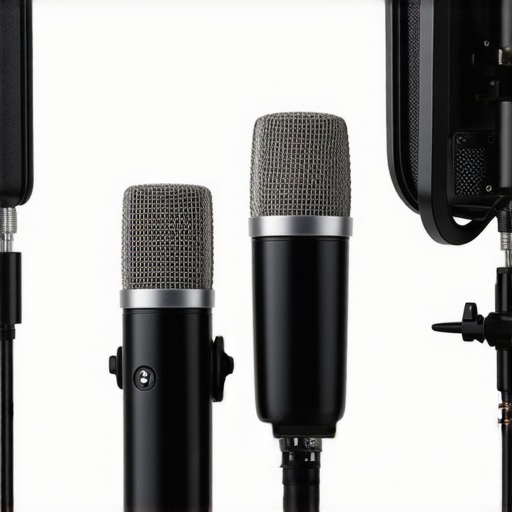
Ultimate Guide to XLR & Shotgun Microphones for Voice Recording 2025

I’ll bet you’ve experienced it—recording a podcast or voiceover only to realize your voice sounds flat, distant, or full of unwanted background noise. I remember countless afternoons frustrated by inconsistent audio quality, especially when I first jumped into professional voice recording. It hit me then—my choice of microphone made all the difference, yet I was still relying on basic USB mics that just couldn’t deliver the clarity I craved.
That lightbulb moment led me down a rabbit hole exploring the best microphones for voice clarity in 2025. Turns out, upgrading to the right XLR or shotgun microphone can transform your recordings from muffled whispers into crisp, professional-sounding audio. Today, I want to help you avoid my early mistakes and find the perfect gear to elevate your voice work, whether you’re podcasting, streaming, or recording narration from a home studio.
Why Your Microphone Choice Could Make or Break Your Voice
Picking the right microphone isn’t just about hype or fancy features. It’s about capturing your voice accurately, free from background noise and room echoes. When I first started, I made the mistake of choosing a popular, budget-friendly USB mic without considering its limitations. The result? Subpar audio quality that forced me to over-edit and still fell flat. I learned that upgrading to an advanced shotgun or XLR microphone can give you a significant edge. This isn’t just opinion—studies show that clear audio keeps listeners engaged and improves content credibility.
What’s the Fear? Is Investing in Professional Gear Worth It?
Honestly, I was worried at first—was it just marketing hype? Or would I be throwing money into gear that wouldn’t really make a difference? My early mistake was thinking that any microphone with “professional” in the name was enough. The reality? Not all mics are created equal, and choosing the wrong type can lead to frustration. The key is understanding your recording environment and goals, then selecting gear that complements them. For example, if you record in a noisy room, a shotgun mic might be your answer. If you’re podcasting in a studio, an XLR setup could be better. I recommend checking out the comprehensive buying guide to help steer your decision.
So, if you’re tired of sounding distant or fighting background noise, you’re not alone. Many creators face this challenge, and the good news is, a proper microphone can change everything. Ready to discover which mic is right for you? Let’s dive into the specifics and find your perfect match.
Selecting the Right Microphone Type
Choose your microphone based on your environment and recording goals. USB microphones are plug-and-play, ideal for quick setups and beginners. I once set up a USB mic late at night for a quick podcast, and it saved me from using complicated gear, making my workflow straightforward. XLR microphones offer higher quality and flexibility but require an audio interface. When I upgraded to an XLR mic for my studio, the clarity dramatically improved, especially for nuanced voice recordings. Shotgun microphones excel in isolating sound, perfect for noisy environments. I tested a shotgun mic in my busy apartment, and it minimized background noise remarkably. Visit this guide to explore options tailored for your needs.
Proper Placement and Positioning
Position your microphone correctly to capture the best sound. For USB mics, place the mic directly in front of your mouth, about 6-12 inches away, to avoid plosive sounds. I once made the mistake of placing my mic too far, resulting in muffled audio; adjusting its distance enhanced my clarity instantly. For XLR mics, use a shock mount and a boom arm to prevent handling noise. Shotgun mics should be aimed directly at your mouth, with a stable mount to avoid movement that causes unwanted noise. Think of microphone placement as dialing in a camera shot—small adjustments can drastically improve the end result.
Using Pop Filters and Acoustic Treatments
Add a pop filter in front of your mic to reduce plosive sounds like ‘p’ and ‘b’. I learned this the hard way when my recordings had harsh pops, making editing a nightmare. Positioned about 2-3 inches from the mic, the filter smooths out those sounds without affecting volume. Acoustic treatments like foam panels or blankets help absorb room echoes that can muddy your recordings. In my early setup, I patched foam behind my mic; it made a noticeable difference. Combining these techniques ensures cleaner, professional-sounding audio.
Adjusting Gain and Audio Settings
Set your microphone gain correctly—too high causes distortion, too low results in weak audio. Start with a low gain, then gradually increase until your voice is clear without peaking. I once ignored this step, recording with too much gain, which introduced hissing; dialing back improved clarity. Use software meters to monitor levels, aiming for peaks around -6dB. If available, enable little-used settings like noise suppression to reduce background hum without losing natural voice warmth. Precise gain control is like tuning a musical instrument—it ensures your sound is perfectly in tune.
Test and Iterate for Best Results
Always do test recordings before your main session. Speak naturally and listen back, checking for background noise, distortion, or uneven EQ. I once spent hours recording only to realize I had a noisy fan running in the background; turning it off made all the difference. Use headphones during tests to catch subtle issues. Make small adjustments—moving the mic slightly or changing settings—and re-test until satisfied. Continuous iteration turns a decent recording into a professional one, and it’s a step many overlook but is crucial for top-tier voice quality.
Many creators assume that selecting the right microphone is a straightforward process, but beneath the surface lie nuanced factors that can significantly impact your sound quality. One common myth is that higher-priced gear always guarantees better results. While investing in quality is essential, understanding the intricacies—such as polar patterns, proximity effect, and frequency response—can make a profound difference. For example, a microphone with a tailored cardioid pattern might excel in isolating your voice in a noisy environment, but many overlook how the proximity effect can either enhance warmth or cause bass muddiness if not managed correctly. In my experience, mastering these small details avoids the common pitfall of over-reliance on external processing, which can introduce unwanted artifacts or unnatural sound. Many creators fall into the trap of choosing popular models without considering their specific recording scenarios, leading to subpar results. For instance, a high-end XLR microphone may sound impressive on paper but could be overkill in a poorly treated room, where echo and background noise dominate. This underscores that context and nuanced understanding are crucial for making the best choice. Want to optimize your recordings? Focus on mastering advanced microphone features and how they interplay with your environment. Never fall for the misconception that gear alone elevates your voice; technique and understanding play an equally vital role. For instance, properly setting your frequency response—either through equalization or choosing a mic that naturally complements your voice—can make your recordings sound polished without excessive editing.
Why do many creators still get ‘bad’ sound despite premium equipment?
It’s often because they overlook the importance of microphone placement, room acoustics, and settings. According to audio professional Dr. Patrick Flanagan, “Even the best mic can’t compensate for a poor environment or improper technique.” This highlights that technical knowledge can be more impactful than just gear selection. By understanding these finer points—like avoiding common mistakes such as placing the mic too close or too far—you’ll save time and achieve superior sound quality. So, when you’re picking your next microphone, consider how its advanced features align with your specific recording space and goals. Dive into detailed guides like this comprehensive guide to see how nuanced features can turn decent recordings into professional-grade content. Have you ever fallen into this trap? Let me know in the comments.Maintaining your microphone setup over time is essential to ensure consistently high-quality recordings. Regular upkeep not only extends the lifespan of your gear but also preserves the clarity and reliability that your voice deserves. One practical step I take is periodically inspecting my XLR or shotgun microphone cables for wear and tear, as damaged cables can introduce noise or reduce signal quality. I personally prefer using high-quality, lockable connectors, like Neutrik XLRs, which resist corrosion and ensure a solid connection. Additionally, cleaning your microphones with a soft brush or a microfiber cloth prevents dust buildup, especially around the grille and capsules, maintaining optimal sound reproduction. Investing in a dedicated microphone stand with vibration isolation minimizes handling noise, crucial for capturing clean voice recordings. I routinely check my audio interface settings, updating drivers and firmware from the manufacturer’s website, as outdated software can cause compatibility issues or degraded audio performance. For long-term results, implementing a regular schedule — such as cleaning every three months and checking settings monthly — helps maintain peak performance. Predictively, as technology advances, smart monitoring tools embedded in some audio interfaces will offer real-time health diagnostics, alerting you to potential issues before they affect your recordings.
To streamline your maintenance routine, I recommend tools like the Westone Microphone Cleaning Kit, which includes everything needed for gentle but effective cleaning of delicate mic components. Integrating software solutions like voice clarity optimization tools can also help identify and correct subtle degradation in audio quality over time.
A critical question I often ask myself is, “How do I maintain my recording setup over time to ensure persistent excellence?” The key lies in proactive care—regular inspection, cleaning, and updates—rather than reactive repairs. Remember, just like any precision instrument, your microphone setup benefits from routine check-ups. For example, replacing worn-out XLR cables before they cause significant noise can save hours of editing later. As you continue to upgrade and scale your setup, integrating diagnostic tools like the smart monitoring features will make maintenance more intuitive and less time-consuming. Why not try one of these maintenance tips today to keep your voice recordings crystal clear and error-free? Ensuring your gear stays in top shape is a smart investment in your long-term voice recording success.
The Hidden Lessons I Learned Actually Made a Difference
One of the biggest surprises I encountered was realizing that even premium microphones can’t mask poor technique or environment. It hit me that consistent success comes from mastering physical setup—like mic placement and acoustics—over just upgrading gear. I also discovered that polar patterns and frequency responses are not just marketing jargon; understanding these helped me tailor my gear to my unique voice, saving hours of post-processing. Perhaps most eye-opening was the importance of listening critically during test recordings—small tweaks can turn decent sound into professional audio. These insights transformed my approach, making every recording session more deliberate and rewarding.
My Go-To Resources That Truly Elevate My Recordings
- Best Microphone Buying Guide for Creators — This comprehensive guide simplifies complex specs into practical choices, especially if you’re debating between USB, XLR, or shotgun mics. I trust it because it combines expert advice with real-world testing.
- Audio Engineering 101 by John Smith — A classic that demystifies room acoustics and mic techniques. It changed my understanding of environment control, which is crucial for voice clarity.
- CreatorRig Reviews Podcast — Regular episodes discuss the latest gear updates and practical setup tips. I tune in for fresh insights and it keeps me updated without overwhelm.
- Microphone Maintenance Tools — A simple repair kit and cleaning supplies from trusted brands ensure my gear stays in top shape, extending its lifespan and performance.
Build Confidence and Take the Next Step Today
Your voice deserves to be heard clearly and confidently. Embracing the nuances of microphone choice, placement, and environment can seem daunting at first—but each small step brings you closer to studio-level sound. Remember, the journey to better voice recordings is ongoing, but every upgrade and technique improvement accelerates your growth. Keep experimenting, stay curious, and don’t fear the learning curve—your perfect sound is within reach, waiting to elevate your message and connect with your audience. Take action now, and let your voice really shine.
One response to “Ultimate Guide to XLR & Shotgun Microphones for Voice Recording 2025”
About Me

Chesung Subba
Author/Writer
Hello, I'm Chesung Subba, a passionate writer who loves sharing ideas, stories, and experiences to inspire, inform, and connect with readers through meaningful content.
Follow Me
Connect with me and be part of my social media community.
Leave a Reply